Telegram is telling users to update iOS, and Pavel Durov posted the same warning on X late Friday. The warning names no build. As of November 28, 2026 Apple still lists iOS 27.2.1, released November 9, as the latest iOS on its security releases page. Here is how to check your version, install the right update, and turn on the two switches that deliver future fixes automatically.
What the Telegram warning says, and what it does not
Durov's post went up at 23:08 UTC on November 27. "iPhone users are being hacked on a massive scale," he wrote. "If your iOS is even slightly outdated, all your data is at risk." His screenshot shows a Telegram chat dated November 27 titled "Update iOS to protect your phone," which calls the installed iOS outdated and vulnerable and tells users to open Settings, go to General → Software Update, and install the latest available update.
Cointelegraph posted about the same push about 38 minutes before Durov, so the in-app notices may have started earlier. This is Telegram's warning, not an Apple advisory. It names no build, and Apple has not confirmed an exploit against fully updated iOS 27.2.1 devices. Claims about a specific exploit kit or a named website are not confirmed by anything in the warning.

Which iOS version your iPhone should be on right now
Apple's security releases page, checked on November 28, 2026, still says the latest version of iOS and iPadOS is 27.2.1, released November 9. Which build your iPhone should show depends on the update train it rides.
- iPhone 11 and later on the iOS 27 train: iOS 27.2.1, build 24B156. iPhone Duo units run 24B91034.
- Devices that stayed on iOS 26: iOS 26.7.3.
- iPhone XS, iPhone XS Max and iPhone XR: iOS 18.7.12.
Software Update only offers updates that fit your iPhone. If the screen already shows 27.2.1 (or 24B91034) with no update available, you are on the current public tip. Testers on iOS 27.3 beta 2 (build 24C5049f, November 19) are ahead of the public tip, not behind, and Apple says an installed iOS update cannot be downgraded. Our build map covers which iPhone update you should install on each iOS train.
How to check and install the iOS update
Apple's steps, from Update your iPhone or iPad: back up first, with iCloud or a computer. Plug into power, connect to Wi-Fi, open Settings, tap General, tap Software Update. The screen shows the installed iOS version and whether an update is available. If one is, tap Download and Install and follow the onscreen instructions.
Two caveats from the same page. A VPN or proxy might prevent the iPhone from contacting the update servers, so turn it off if the check fails. If the phone asks to temporarily remove apps for space, Continue removes and reinstalls them after installation. A download that hangs on "Preparing Update" is a separate problem, covered in our fix for a stuck iOS 27 software update.
Turn on Automatic Updates and Background Security Improvements
Two switches make the next fix land without you checking. The first: Settings > General > Software Update > Automatic Updates. Automatically Install downloads and installs updates overnight while charging on Wi-Fi, with a notification first. Automatically Download only prepares the update in the background for later; turn off Automatically Install to see it.
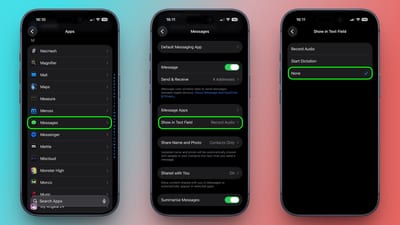
The second sits one menu deeper: Settings > Privacy & Security > Background Security Improvements, then turn on Automatically Install. These are Apple's lightweight security releases between full software updates, covering components like Safari, the WebKit stack and other system libraries, per Apple's Background Security Improvements page. They are supported starting with iOS 26.1. Apple's current pages do not call them Rapid Security Responses. Turn the switch off and the iPhone waits for a full software update.
One mistake to avoid
Do not chase the alert past your phone's own answer. If Software Update shows your train's current build with no update available, installing a beta or sideloading anything is not the fix. The automatic switches cut the time you spend on an outdated version, but no setting stops every website-based attack.
Check the version, turn on the two switches, keep a fresh backup. Our iOS 27.2.1 firmware coverage explains what each release fixes.
Photo: Apple. Sources: Pavel Durov on X, Apple Support, Update your iPhone or iPad, Apple security releases.