OpenAI has countersued Apple. The ChatGPT maker filed counterclaims in California federal court on Friday, November 27, accusing Apple of stealing its trade secrets and discouraging hardware suppliers from working on future OpenAI devices, Reuters reported. Apple says the filing is a distraction from its own lawsuit, filed in July. No judge has ruled on either side's claims.
OpenAI's counterclaims name a rehired employee and supplier pressure
OpenAI says Apple gained confidential information by rehiring a former employee who had worked at OpenAI for six months. In that time the employee had access to specific information on a new device, and to OpenAI's roadmap for future hardware products. "Given the timing, it now appears that stealing those documents may have been his reason for joining OpenAI in the first place," the filing says. Apple denied using the rehired employee to reach OpenAI's confidential information.
The counterclaims also say Apple is "coercing and threatening" suppliers that work with the ChatGPT maker, to "compete unfairly by any means available." 9to5Mac carried that wording from the Financial Times report that broke the story first. OpenAI says it is building AI-enabled personal devices that could "outcompete Apple on what Apple views as its own turf." CNN's write-up of the filing calls Apple's conduct "unlawful, tortious, and unfair business practices."
Another part of the filing attacks how Apple handles employee accounts. OpenAI says Apple encourages staff to do work on personal Apple devices and accounts, then blocks them from cleanly separating work and personal accounts when they leave. Apple keeps accessing those devices and accounts after departure, the filing says, which lets it "monitor and ensnare departing employees." By OpenAI's count, 400 employees have left Apple for OpenAI so far. AppleInsider quotes the complaint directly: "Bright young minds thought they would work in Cupertino. Instead, they were joining Hotel California: you can check out any time you like, but you can never leave."
Apple calls the counterclaims a transparent attempt to distract
Apple sent 9to5Mac and AppleInsider a statement on Friday. "This case is about OpenAI employees deliberately stealing, accessing, and using Apple's secret and confidential information regarding our unreleased technologies, processes, and products — not about inadvertent retention of Apple information. OpenAI's counterclaims are a transparent attempt to distract from the substance of Apple's lawsuit, in which OpenAI has already been ordered to stop using Apple's confidential information." The last clause is Apple's own characterization. This report did not review the court order behind it.
The two sides have been trading document claims since October. OpenAI said an employee who returned to Apple sent more than 100 confidential files about unreleased OpenAI hardware to personal accounts. The files allegedly included device images, engineering data, and supplier information. AppleInsider wrote the trove also held manufacturing data, plus standards for cosmetic finishes and sealants. Apple answered that its investigation had not located OpenAI confidential information, and asked for more specific information to continue searching.
Apple's July lawsuit names Tang Tan, Chang Liu, and io Products
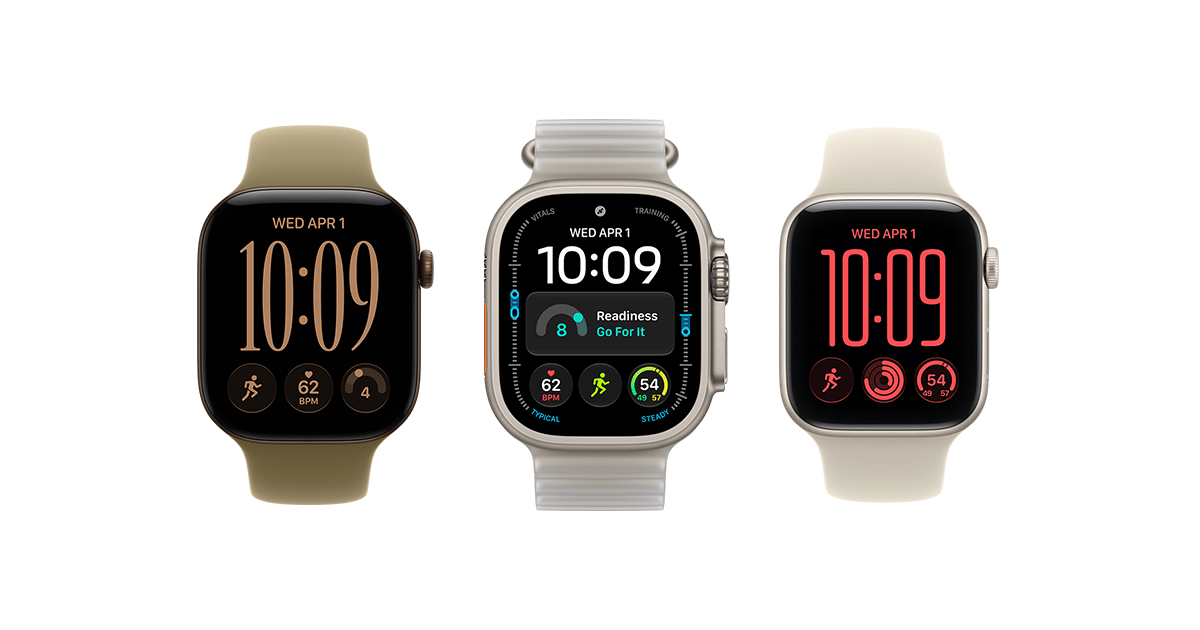
The fight started in July, when Apple sued OpenAI and two former Apple employees. Tang Tan worked at Apple for 24 years and was a vice president of product design for iPhone and Apple Watch. He was part of the group that launched the AI device startup io Products, Jony Ive's "io" firm, before OpenAI acquired it in 2025. Apple alleges confidential engineering information and hardware development details were taken to help OpenAI's consumer device work.
OpenAI and the two employees deny the allegations. They say Apple's lawsuit depends on Apple's unauthorized monitoring of Liu's personal messages after he stopped working for Apple. An earlier evidence dispute in the same OpenAI lawsuit turned on how those messages were handled.
Trial in Apple's case is set for July 19, 2027
Apple has sought a preliminary injunction to stop further use of its alleged trade secrets, and won expanded access to evidence during discovery, 9to5Mac wrote. The original case is scheduled for trial on July 19, 2027, at 9 a.m. per AppleInsider. The counterclaims now run alongside it. Neither set of allegations has been tested in a ruling.
OpenAI's device push is concrete enough that both filings now orbit it. The company has separately been building out its own hardware and compute footprint, including thousands of Mac minis and Mac Studios. Reuters notes the fight is escalating as the AI product race heats up competition for talent.
Photo: Reuters (featured image), CNBC/Getty (Apple and OpenAI logos), Apple (Apple Watch Ultra)
Source: Reuters, 9to5Mac, AppleInsider, CNBC