Memory shortages kept biting through July–September. Counterpoint Research’s Market Monitor, published October 12, 2026, puts global smartphone shipments down 20% year over year in Q3. That is the lowest third-quarter level since 2012. Absolute unit totals were not published in the public note.
DRAM and NAND prices rose again. Bill-of-materials costs jumped. Supply stayed tight for most OEMs. Brands passed the hit to shoppers. Counterpoint estimates global smartphone retail prices are up about 20% so far in 2026, with average selling prices still climbing. We first summarized this tracker mid-October; the earlier Industry brief is still live. A later India cut is here.

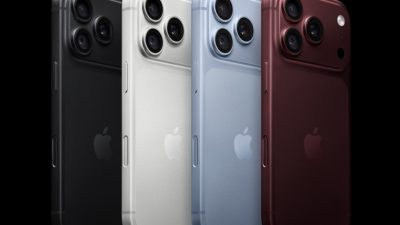
Photo: Apple. iPhone 18 Pro lineup from Apple Newsroom.
Shilpi Jain: second straight quarter of full memory brunt
Senior Analyst Shilpi Jain called Q3 the second successive quarter to take the full brunt of the memory crisis. Consumers are holding phones longer than estimated, looking at refurbished units, and leaning toward higher-value devices. OEMs are cutting portfolios and protecting margins. Mass market is under more strain; premium demand holds up better.
That trade-up story also shows up outside the shipment table. In a TaiwanPlus interview the same week, Counterpoint’s Neil Shah said low-end volumes are down almost 14% this year and could fall another 3–4% next year. Over three years, he said, that path could wipe out 100–150 million phones. A $150 phone from two years ago can now sit near $300, so some buyers step up toward roughly $500.
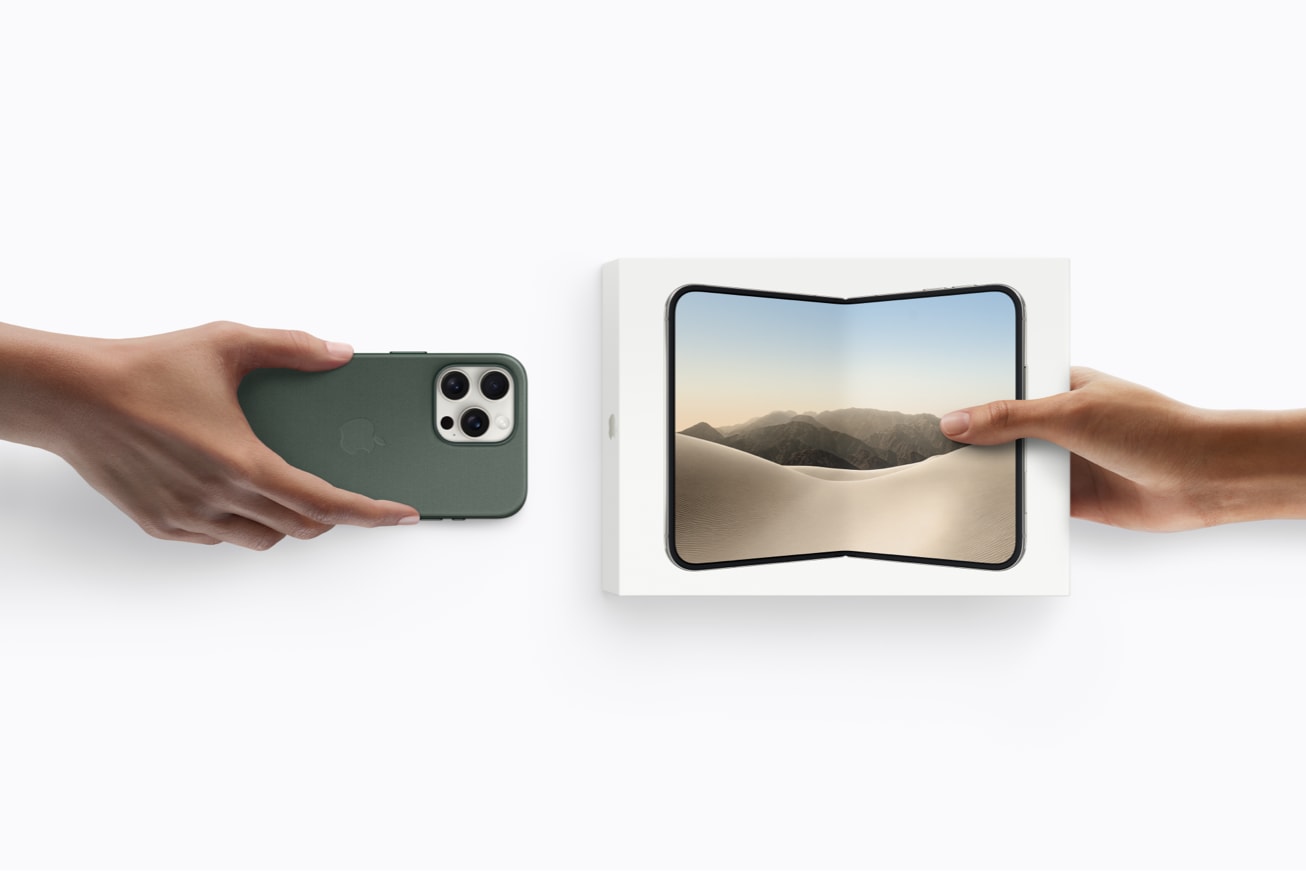
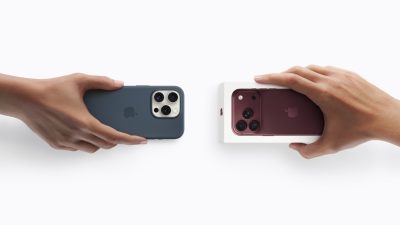
Photo: Apple. Trade-in path shown in Apple Newsroom materials.
Samsung 23%; Apple’s first 20%+ Q3 share
Samsung stayed No. 1 at 23% share. Shipments fell 3% YoY, yet Counterpoint says Samsung posted the largest share gain among major OEMs. Early demand for the Galaxy Z Fold8 / Z8 foldable line was strong. Mid-range A-series supply held up in emerging markets as some Chinese brands pulled back.
Apple’s share crossed 20% in a third quarter for the first time, reaching 22%, even with a year-over-year shipment decline. Counterpoint ties much of the drop to the missing base iPhone 18, which left a smaller launch-month channel fill than the full iPhone 17 lineup a year earlier. iPhone 18 Pro models started stronger than prior Pros, especially in China and India. iPhone 17 series sales also helped. Apple joined industry price hikes only in the final weeks of the quarter.
Xiaomi revised to 12%; OPPO and vivo cut deeper
Xiaomi’s share was revised from 10% to 12%. The brand cut lower-price and non-core overseas exposure, raised ASPs, and leaned on Xiaomi 18 and foldables plus its in-house XRING O3 chipset.
OPPO and vivo each saw shipments fall more than 20% YoY. Shares landed at 9% and 8%. Both raised entry and mid-range prices. OPPO is consolidating OPPO, realme and OnePlus to cut overlap. China’s September phone shipments also fell under the same squeeze, per the site’s CAICT September readout.
Rest of 2026: profitability over volume
Counterpoint’s outlook for the rest of 2026 stays tough. OEMs keep favoring profitability over shipment volume while component costs stay high. Production cuts, tighter portfolios and a premium tilt are likely to continue. A meaningful recovery in overall volumes is unlikely until component costs and supply improve, the firm says.
Foundries can still benefit when buyers trade up, a point Shah tied to TSMC. Display and battery suppliers face more squeeze if OEMs hold BOM flat while memory eats the budget. See also the site’s TSMC Q3 smartphone revenue share note.
Brand shares are preliminary and subject to revision. Rounding may apply. Photo: Apple. Source: Counterpoint Research, Oct. 12, 2026.