Apple has accepted Samsung’s Q1 2027 memory quote, according to Chinese outlet Jiemian as carried by Korea’s Economy Tribune on Sep 15. The figures are concrete. DRAM is listed near $2 per gigabit. NAND is near $0.33 per gigabit. That is about 30% to 40% above Samsung’s own Q3 2026 quotes.
Those Q3 quotes sat near $1.50 per gigabit for LPDDR5X and $0.26 for NAND. Actual Q3 deals ran about 1% to 2% above the quote sheet, the same report says. Apple did not reply to Jiemian’s request for comment by publication time.
This is a step past the earlier “Samsung seeks another hike” round. The earlier talk was about a fresh 7%–10% ask. The new piece puts a Q1 2027 price on the table and says Apple took it. See our prior note on Samsung seeking another 7–10% on phone DRAM and NAND.
Q1 2027 LPDDR5X near $2 per gigabit
Samsung remains Apple’s main mobile LPDDR supplier. A Citigroup iPhone 17 Air supply-chain cut cited in the same Economy Tribune piece put Samsung at about 37% of that model’s DRAM, with SK Hynix at 33% and Micron at 30%. That mix is for one Air analysis, not a company-wide Apple DRAM share. The report does not publish a full iPhone 18 Pro DRAM split.
GSMArena, citing Korean reporting on Sep 17, put the same Q1 2027 LPDDR5X figure near $2.00 and NAND near $0.33. It also said Oppo and vivo refused Samsung’s higher ask. The Economy Tribune write-up does not name Oppo or vivo. Those brand refusals stay with the GSMArena chain, not with Jiemian’s Apple-Samsung line.
NAND at $0.33 and who supplies it
On NAND for the same iPhone 17 Air cut, Citigroup ranked Kioxia first at about 35%, then SK Hynix 30%, SanDisk 20%, and Samsung 15%. Economy Tribune notes separate talk that Apple may have locked a longer NAND deal with Kioxia. Terms with SK Hynix, Micron, and SanDisk for 2027 are not spelled out in the piece.
So the $0.33 Samsung NAND quote is one supplier’s Q1 2027 ask that Apple reportedly accepted. It is not a claim that every NAND bit in every 2027 iPhone will clear at that rate.

CXMT card did not cut the bill
Apple had pressed CXMT on LPDDR5X pricing and asked for a cut. CXMT refused, per the same report. CXMT’s offer sat near Samsung and SK Hynix levels, or higher. That lines up with our earlier note that CXMT started LPDDR6 mass production while Apple memory talks stayed open. Volume help is one thing. Cheaper bits are another, and the report says the China second source did not deliver a discount.
TrendForce capacity already spoken for
TrendForce, cited by Economy Tribune, says Samsung, SK Hynix, and Micron have already allocated most 2027 DRAM and HBM capacity. On NAND, customers can lock only about 60% to 70% of the volume they asked for. That is the backdrop for Apple paying up: secure bits first, argue later.
It also fits the wafer story we covered when Samsung DRAM wafers rose while HBM share squeezed standard supply. More wafers do not mean more phone LPDDR if HBM and server DRAM keep taking the advanced lines.
TrendForce separately raised its 2026 phone production view to 1.07 billion units after early buying, still a 14% year drop. That pull-forward was about fear of another 2027 device price round. See TrendForce lifts 2026 phone production to 1.07 billion on early buys. The Q1 2027 Apple–Samsung quote is the kind of cost line those early buyers were watching.
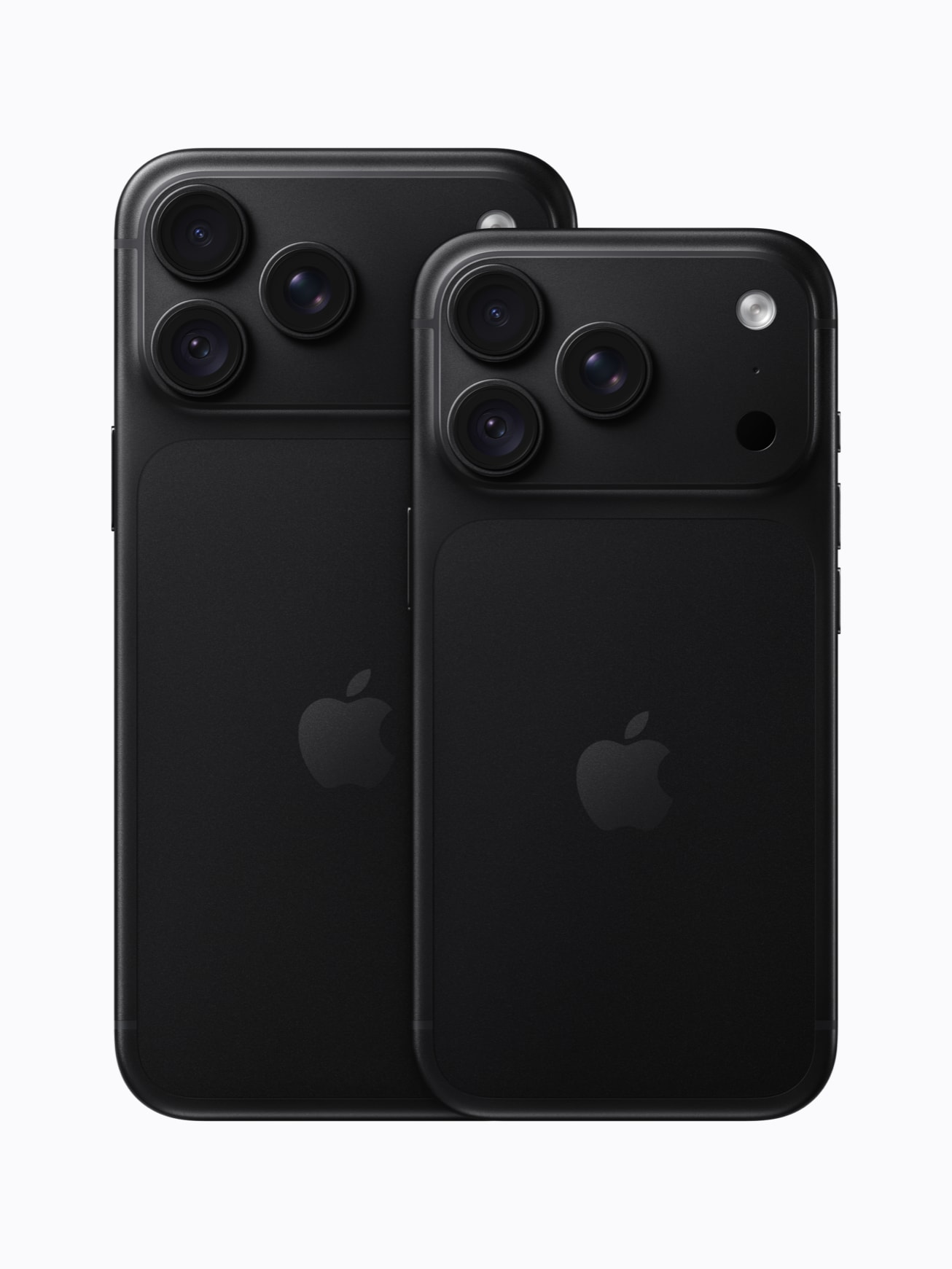
iPhone 18 Pro and Pro Max already launched with a $100 U.S. list bump versus the 2025 Pro models, per GSMArena and SamMobile. Neither outlet quotes Apple confirming another 2027 retail hike. The memory quote alone does not prove a second shelf-price move. Apple still has to decide how much of that bill stays inside the BOM, and how much lands on the sticker.
Photo: Apple
Source: Economy Tribune / Jiemian (Sep 15, 2026); GSMArena Sep 17; TrendForce via Economy Tribune