TrendForce raised its 2026 global smartphone production forecast to 1.07 billion units. The prior mark was 1.05 billion. The year-over-year drop is now put at 14%, not 16%. The lift comes from early buying and brands putting back volumes they had cut too hard when memory costs jumped.
That is not a full recovery call. TrendForce says the near-term bounce is temporary. When the pull-forward fades and memory contract prices keep climbing into 2027, production can face more pressure again. The firm already tracked how memory costs were set to cut smartphone shipments about 14% in 2026. This revision does not erase that squeeze. It only narrows how deep the cut looks on today’s math.
2Q26 production was 275 million
Global smartphone production in 2Q26 reached 275 million units, down 8% year over year. The decline was milder than TrendForce had modeled earlier. Two drivers show up in the note. Some buyers moved purchases forward, worried that more memory hikes would push device prices higher and that 2027 models would get another round of increases. Some brands had cut builds too aggressively and are restoring part of those plans as conditions stabilize.
Photo: Apple
Samsung 62 million, Apple about 52 million
Samsung led 2Q26 production with 62 million units, up about 7% year over year. A later flagship launch timing helped. The company also leaned harder on ODM builds for entry-level and mid-range phones to blunt high memory bills. ODM design flexibility and factory cost are the stated reasons.
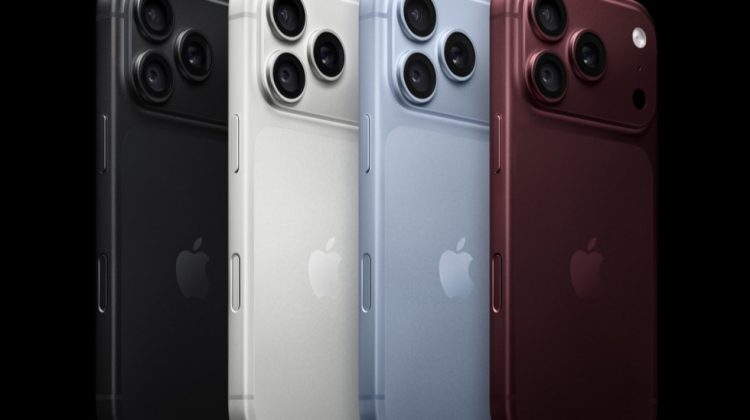
Apple ranked second at about 52 million units, up around 14% year over year. TrendForce ties that growth mainly to pricing on the iPhone 17 series, which held sales through the first three quarters. The same note says price increases on the coming iPhone 18 series look inevitable. How those prices land on demand is listed as a watch item, not a settled figure.

OPPO, Xiaomi, vivo hold position
OPPO, Xiaomi, and vivo took third through fifth. Production sat near 30 million, 29 million, and 21 million units. TrendForce says the three brands moved away from share-chasing and focused on holding position while protecting profit. OPPO and vivo still sell a large share in China, where Huawei’s push is adding pressure. No separate China share numbers were published in this briefing.
Transsion ranked sixth at nearly 20 million units, down about 27% year over year. Its mix skews entry-level. TrendForce says the company held less low-cost memory inventory than rivals, so the memory spike hit harder. That detail is in the production ranking section, not a full bill-of-materials table.
Memory still sits under the forecast
The same week’s coverage already covered Samsung seeking another 7% to 10% on phone DRAM and NAND. Foundry talk is separate: earlier notes had Samsung and Qualcomm circling 2nm while Apple held early TSMC capacity. TrendForce’s production lift does not publish new wafer starts or ASP tables. It only revises unit output and ranks brands.
Supply-chain pieces on the foldable side still matter for Apple’s mix. A prior Industry item flagged tight iPhone Duo hinge yields at Foxconn. That is a different bottleneck from DRAM, but it sits in the same 2026 build season.

TrendForce’s own close is blunt. The upward revision reflects early purchases and brands restoring cut plans, not a fundamental market turn. Outlook stays uncertain as that demand fades and memory cost pressure runs into 2027.
Photo: Apple
Source: TrendForce via DRAMeXchange (Sep. 8, 2026)