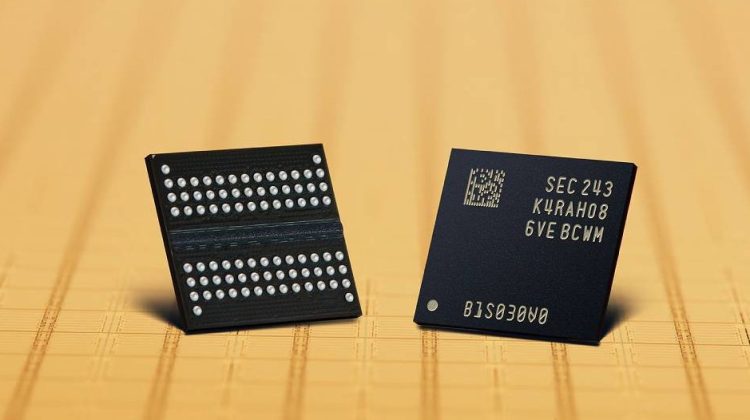
Samsung’s device solutions unit wants another 7% to 10% on mobile DRAM and NAND, according to a Korean report carried by GSMArena. Talks with Chinese phone makers are already open. Apple is lined up for the fourth quarter.
Chinese OEMs first, Apple in Q4
Sisa Journal e is the original source. Negotiations with Chinese brands started first. Apple returns to the table in October through December. Samsung’s own DX smartphone division is not exempt. The DS and DX sides buy and sell separately.
That split matters in practice. A higher DS quote can raise costs inside Samsung phones even while the same company sells the chips. Chinese OEMs with thinner margins feel the letter sooner than Apple does. Contract terms still hinge on volume, mix, and how much HBM capacity each fab keeps reserved for AI customers.
Why phone memory stays tight
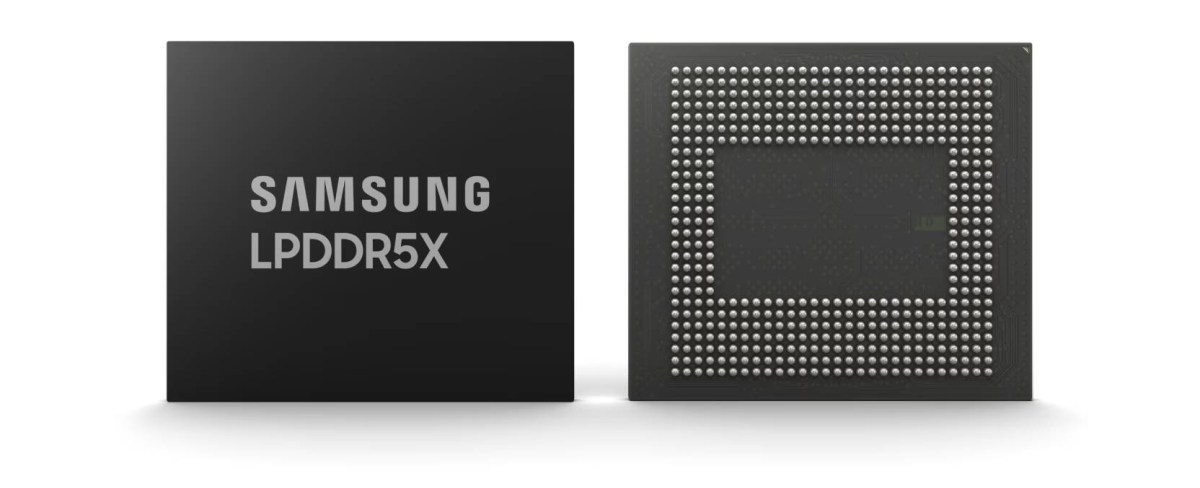
Samsung, SK Hynix, and Micron still earn more on HBM and server DRAM than on LPDDR for phones. Fabs follow that margin. Phone LPDDR capacity stays scarce even when headline wafer output looks busy.
That squeeze already shows up in shipment forecasts. Our earlier Counterpoint shipments outlook pointed to a steep 2026 drop as memory costs bite. A fresh DS hike would push the same cost line further into OEM bills for holiday and early-2027 builds.
What the combo already costs
Omdia numbers show how far the bill has moved. An 8GB DRAM plus 256GB NAND package sat near $35 in Q3 2025. It hit about $132 in Q2 2026. Omdia puts Q3 2026 near $140, and Q4 near $144. A 12GB / 512GB set is estimated around $202 in Q3 and $206 in Q4. High prices are expected to hold into the first half of 2027.
Apple buys roughly twice as much NAND for iPhones as Samsung’s phone side, and about three times Xiaomi’s volume. That scale helps in talks. Smaller Chinese brands have less room when the next contract cycle opens. Some will cut storage SKUs before they cut display or camera spend.
Process talks sit beside memory talks
Memory pricing is only one pressure line. Foundry capacity is another. Samsung and Qualcomm have been back at the table on advanced nodes while Apple holds early TSMC slots, a thread we covered in the Samsung-Qualcomm 2nm note. Those talks do not set LPDDR quotes. They do show how scarce advanced silicon still is across the same supply chain.
Phone makers that already stretched BOM budgets for 2026 flagships now face another contract round before holiday builds lock. Late Pro ship windows on retail sites already reflect tight supply on the device side, as in our iPhone 18 Pro ship window check. Watch Q4 Apple talks for the tone of the next memory price letter. Chinese OEM deals in flight will set the near-term floor for everyone else.
Photo: GSMArena
Source: GSMArena / Sisa Journal e; Omdia figures via GSMArena