Global smartphone shipments fell 20% year on year in the third quarter of 2026. Counterpoint Research says it is the lowest third-quarter level since 2012. The figures are preliminary, from its Market Monitor service, and were published on Oct. 12.
The firm blames memory. DRAM and NAND prices kept rising through the quarter, pushed up bill-of-materials costs and left most phone makers short of supply. Counterpoint says the decline was close to what it expected.
The report gives shares and percentage changes only. It does not publish total unit volume, and it does not give an exact shipment figure for any brand.
Retail prices up 20% this year
OEMs passed the extra cost on. Counterpoint estimates global smartphone retail prices are up 20% so far in 2026, and average selling prices rose again in Q3.
"Q3 was the second successive quarter to take the full brunt of the memory crisis," senior analyst Shilpi Jain said. She said consumers are keeping their phones longer than estimated, looking more at refurbished devices and leaning to higher-value models. Premium demand held up better. The mass market took more of the pressure.
In September we covered a forecast that smartphone shipments could drop 14% in 2026 as memory costs bite. Q3 came in deeper than that full-year number.
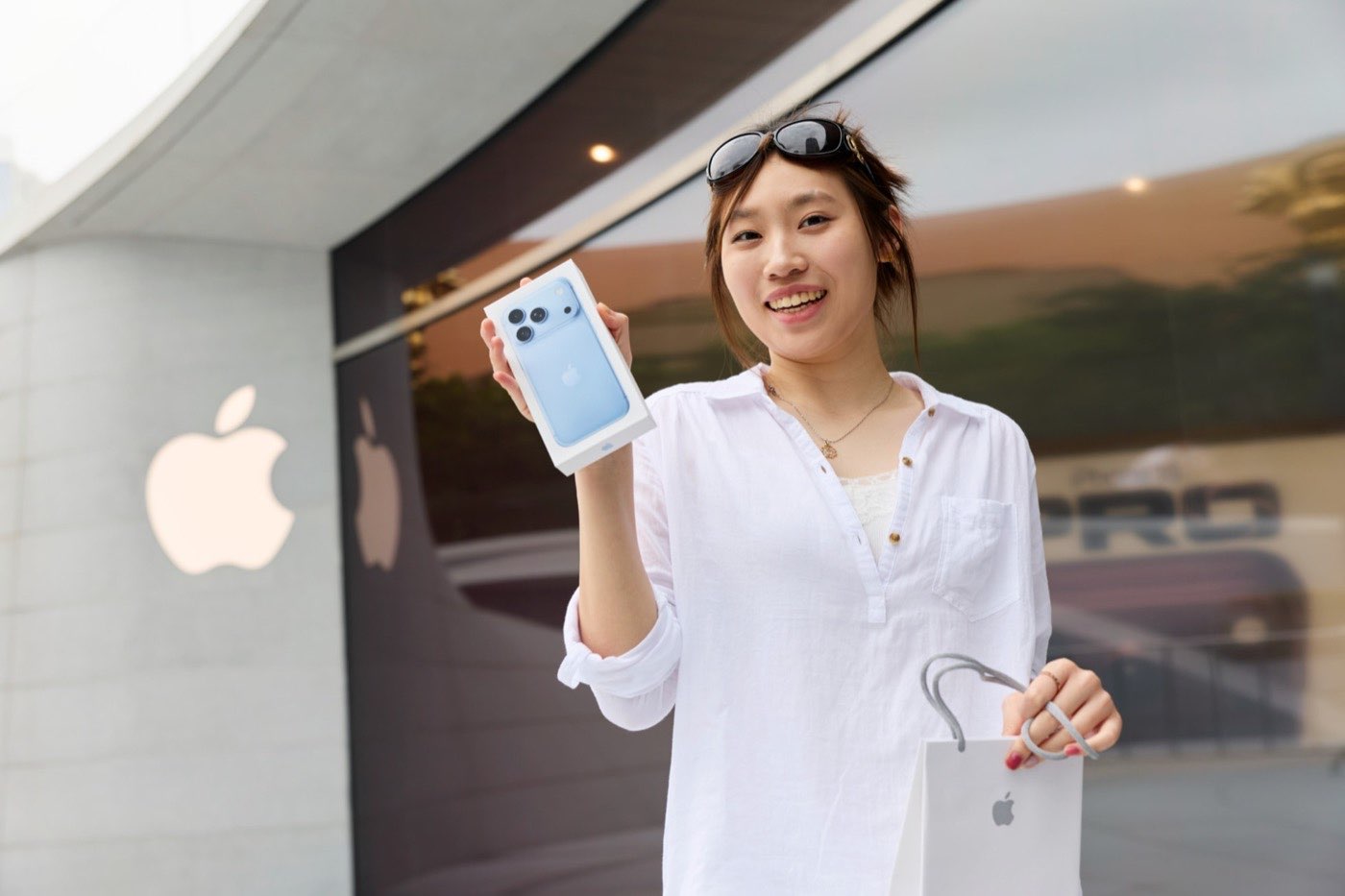
Apple share above 20% in a third quarter for the first time
Apple took 22% of shipments. Counterpoint says it is the first time the company passed 20% in any third quarter. 9to5Mac, reading the same data, put Apple's year-ago share at 18%.
iPhone volume still went down. Counterpoint ties most of the drop to the missing base iPhone 18. Without it, launch-month channel fill was smaller than the full iPhone 17 lineup a year ago. Apple's price increase only touched the last weeks of the quarter, the firm says.
The iPhone 18 Pro models launched stronger than the previous Pro pair, especially in China and India. Continued sales of the iPhone 17 series also helped limit the decline. Separately, Nikkei reported that Apple cut October iPhone 18 Pro component orders by at least 15%. Counterpoint's data covers July to September only.
Samsung leads at 23% with shipments down 3%
Samsung stayed first with 23%. Its shipments dropped 3% year on year, and Counterpoint calls its share increase the largest among the major brands. Galaxy Z Fold8 demand was strong early. Stable component supply kept the mid-range A series moving in emerging markets, where some Chinese brands pulled back.
The quarter is before the Q4 cut. Samsung has reportedly asked suppliers to reduce Q4 Galaxy production by 20% to 30%. That cut is not in these Q3 numbers.

Xiaomi down more than 30%, OPPO and vivo more than 20%
Chinese brands fell hardest. Xiaomi shipments dropped more than 30% and its share slipped to 10%. Counterpoint says Xiaomi cut exposure to low price bands and non-core overseas markets to avoid selling at uneconomical margins. Its Xiaomi 18 series, foldables and in-house XRING O3 chip did better in China's upper mid-range.
OPPO and vivo each fell more than 20%, to 9% and 8% share. OPPO's figure includes OnePlus and realme. Both raised prices on entry and mid-range phones. Counterpoint says price hikes pushed vivo budget models out of key price bands, and stock shortages limited shipments too. In a separate Counterpoint note covered here on Oct. 12, MediaTek took 12% of premium Android application processors in 2026.
Rest of 2026 stays weak
Counterpoint calls the outlook for the rest of 2026 challenging. It expects more production cuts, tighter portfolios and more premium focus. Price-sensitive segments face higher prices and limited parts. A real volume recovery is unlikely until component costs and supply improve, the firm says. It did not give a Q4 or 2027 number.
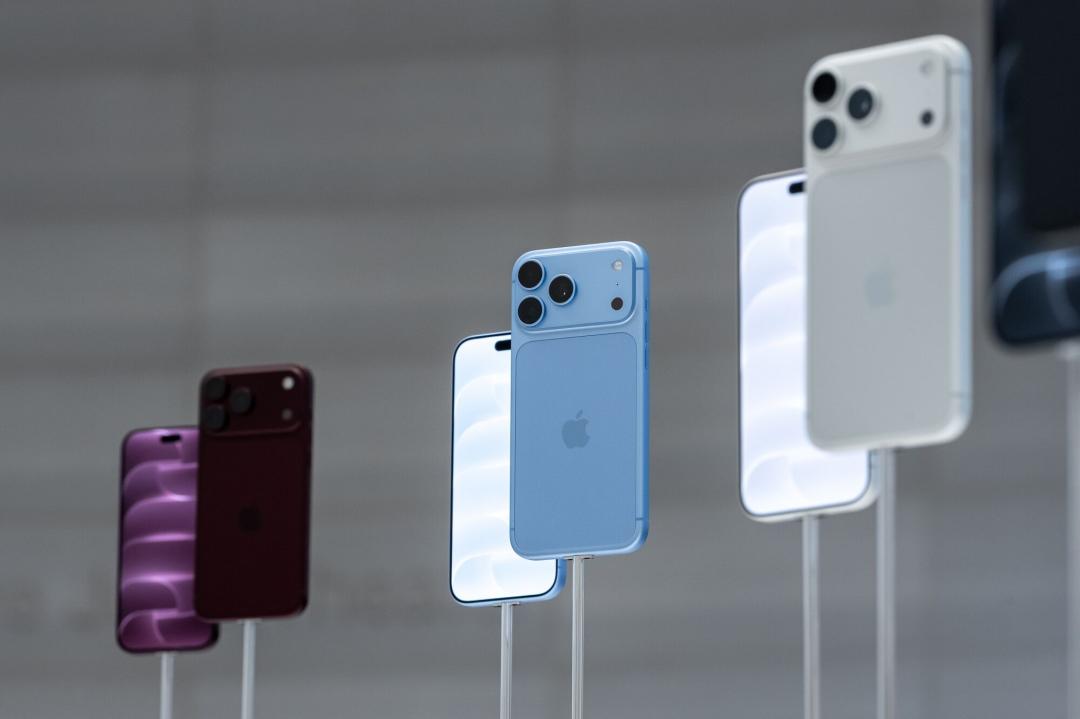
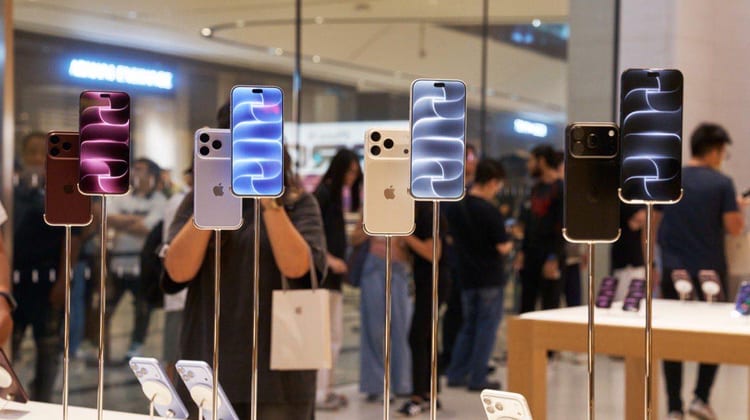
Photo: Apple (iPhone 18 Pro launch at Apple The Exchange TRX, Apple Jing'an and Apple BKC, Sept. 18, 2026)
Source: Counterpoint Research, Market Monitor preliminary Q3 2026 (Oct. 12, 2026); Reuters; 9to5Mac