TrendForce put global top-10 foundry revenue near US$53.49 billion in 2Q26. That is up 11.5% from the prior quarter. The firm published the ranking on Sep 9. Advanced AI and HPC wafers stayed tight. Mature nodes also firmed as TV, PC, and notebook buyers pulled orders forward.
TSMC kept the lead by a wide margin. Samsung Foundry stayed second. SMIC closed in from third. The gap between second and third is now measured in tenths of a point, not whole points. That is the part of the table that moved.
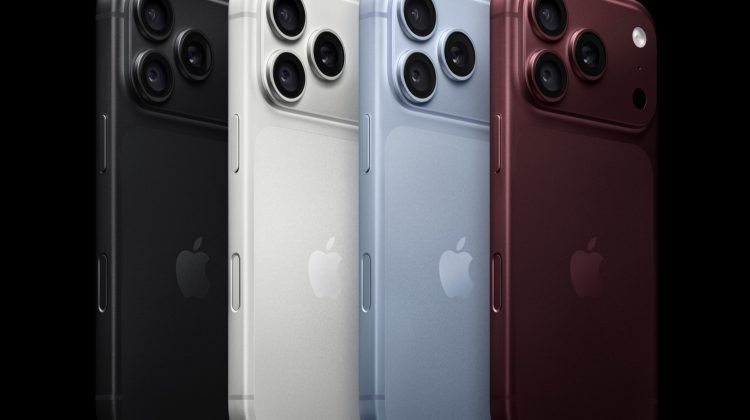
The report does not break out a named iPhone chip volume for the quarter. It only notes that early inventory for new iPhones helped TSMC’s sales, and that 2nm posted revenue for the first time. Separate from this table, our earlier TSMC 2nm GAA ramp note tracked equipment and wafer targets, not market share.
TSMC at 72.5% with iPhone inventory and first 2nm dollars
TrendForce listed TSMC’s 2Q26 revenue near $40.2 billion, up 12.1% QoQ. Share sat at 72.5%. AI server GPUs and XPUs kept 5/4nm and 3nm fully booked. ASP and wafer shipments both rose on the quarter.

The same note ties part of the lift to early new-iPhone inventory builds. 2nm is listed as a first-time revenue contributor in the quarter, without a dollar figure for that node alone. TrendForce does not publish a split between Apple and other 2nm customers in this press release.
Samsung Foundry 5.9% as SMIC hits 5.4%
Samsung Foundry revenue edged up 1.8% QoQ to $3.26 billion. Share still slipped to 5.9%. Growth was slower than several peers. TrendForce points to gradual ramp of advanced orders, including HBM base dies, plus higher prices on 5/4nm and more advanced nodes.
SMIC revenue jumped 20% QoQ to more than $3 billion. Share reached 5.4%. That leaves Samsung and SMIC half a point apart. Drivers listed for SMIC include advance PC and notebook buys, more AI peripheral and server-networking chips, and firmer foundry pricing around NAND and NOR Flash while memory stays scarce. See also our note on Apple accepting Samsung’s Q1 2027 memory quote for the handset DRAM and NAND price side of the same squeeze.

UMC, GlobalFoundries, and the rest of the top 10
UMC held fourth at 3.9% share. Revenue rose 12.7% QoQ to nearly $2.18 billion. TrendForce cites 1H26 advance buys in PCs, notebooks, and some consumer gear, plus more server-linked FPGA work and a rebound in 8-inch utilization.
GlobalFoundries ranked fifth at about 3.2% share. Revenue climbed 9.3% QoQ to roughly $1.79 billion on renewed consumer orders and AI or server peripherals such as power ICs and TIA or driver parts. Both shipments and ASP moved up.
HuaHong Group sat sixth with revenue above $1.27 billion, up 3.5% QoQ. Tower was seventh at $460 million, up 11.2%. VIS returned to eighth at $451 million, up 13.8%, helped by smartphone PMIC and power product starts. Nexchip was ninth at $447 million. PSMC closed the top 10 at $432 million, up 11.9% QoQ even with only modest shipment growth, as earlier memory and logic wafer price hikes fed through.
No Apple wafer count in the Sep 9 note
No full-year foundry revenue forecast appears in the Sep 9 note. No customer-by-customer Apple wafer count is listed. Samsung’s HBM base-die volumes are not quantified beyond “gradually ramped.” SMIC’s process-node mix is not broken out either.
Looking into 3Q26, TrendForce expects consumer IC design houses to keep wafer starts steady. Flagship smartphone seasonality and next AI or HPC platforms are listed as further lifts. Mature capacity may stay constrained, and wafer prices may rise. That outlook sits next to, not instead of, the earlier 2026 smartphone production lift to 1.07 billion units and the older capacity fight in Samsung and Qualcomm’s 2nm talks while Apple holds early TSMC capacity.
Photo: Apple
Source: TrendForce, Sep 9, 2026