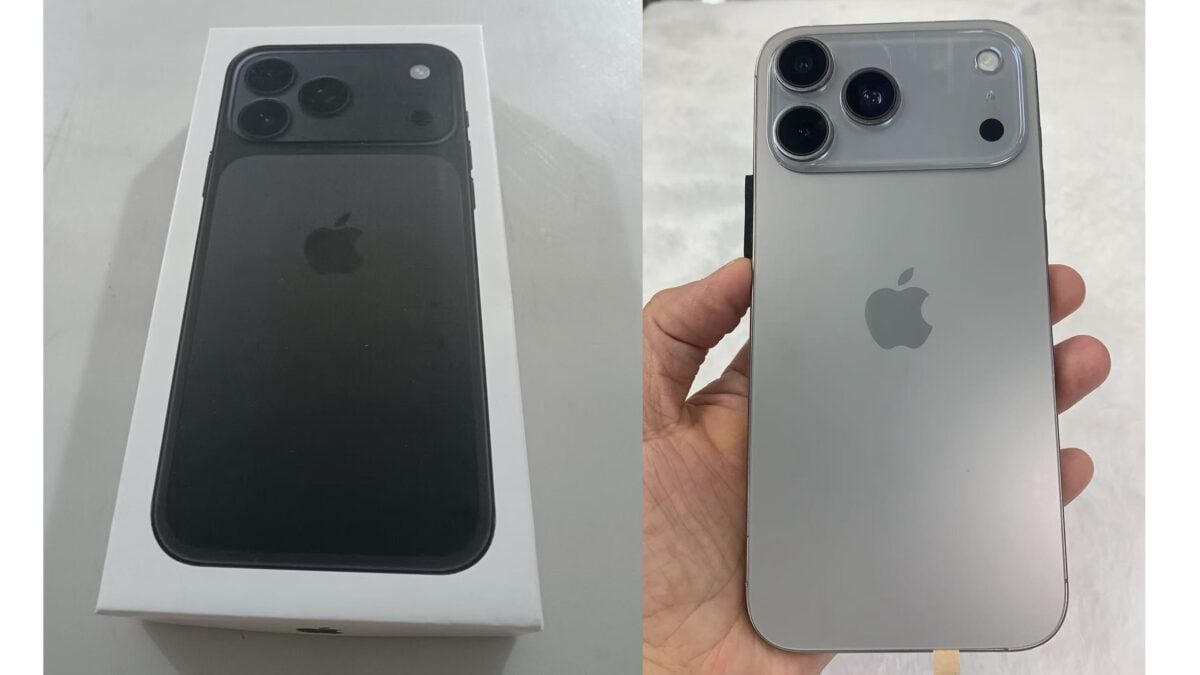
iFixit opened iPhone 18 Pro and Pro Max on September 20, 2026. Elizabeth Chamberlain wrote with Carsten Frauenheim. The headline focus is the main camera’s tiny mechanical aperture. Battery tray screws and a provisional 7/10 repair score sit next to it.
Apple leaned on that camera in the keynote. iFixit’s question is simpler: what the mechanism buys you, and what breaks when one thin blade sticks. The site already covered variable aperture going live at launch. This piece is the teardown side.
Variable aperture under the microscope
Six polymer composite blades. Magnet-driven. Hair-thin under iFixit’s microscope. The Camera app offers presets at ƒ/1.48, ƒ/1.8, ƒ/2.8, and ƒ/4.0. ƒ/1.48 is the widest aperture on an iPhone so far. Half a stop wider than 17 Pro. Opening at that setting is about 4.6 mm. Sensor diagonal sits near half an inch. Focal length is 6.8 mm.
iFixit is skeptical about big bokeh claims. Even at ƒ/1.48, backgrounds stay fairly sharp in their sample shots. The logo on a wall behind the subject was still readable. Light gathering improves. Dreamy DSLR circles do not suddenly appear.
Repair on the iris itself is nearly impractical for enthusiasts. Whole camera assembly replacement is the expected path. The 17 Pro camera assembly was $249. Apple parts for 18 Pro are not released yet. Once the phone is open, the module itself is modular and relatively easy to swap.

Screen plastic frame and battery tray
Front-entry only continues. The back glass opens, but only the wireless coil is serviceable there. Getting to the battery still means lifting the glued screen. On three of four phones iFixit opened, the screen’s plastic frame cracked or pulled away. One unit came apart clean. Four phones is a small sample. Cause is not pinned down.
Past the screen, the battery tray is a repair win. Thirteen screws hold a metal tray. Electrically releasable adhesive still separates the cell: about 90 seconds at 12V in iFixit’s lab. eSIM Pro battery label reads 16.76 Wh (4288 mAh). Pro Max is 21.751 Wh (5567 mAh). Physical SIM models carry smaller batteries.
A20 Pro outside the board sandwich
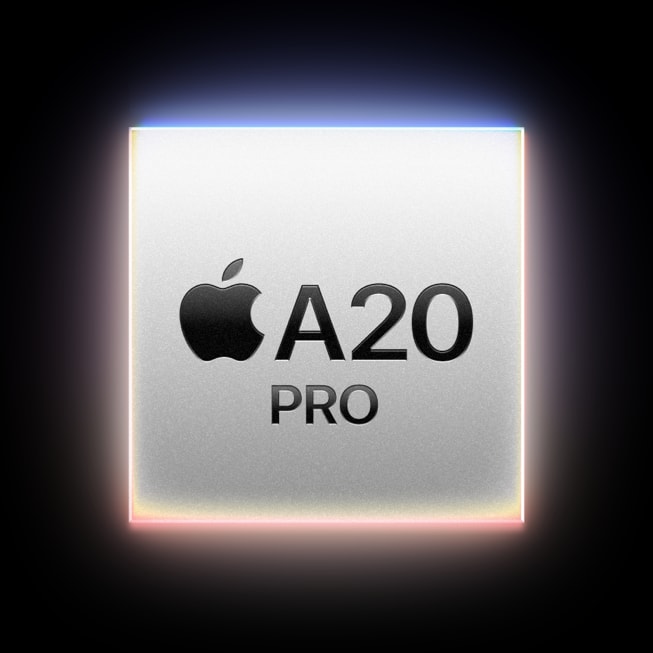
A20 Pro moved to the outside of the board sandwich. RAM sits beside the processor. Apple’s vapor chamber surface area is described as 3× larger. A thermal pad sits between chip and chamber. Cooling looks stronger on the bench photos.
NAND moved inside the sandwich. Data recovery access got harder. That trade sits next to the thermal win. For chip numbers already published on the site, see the A20 Pro how-to brief.
C2 modem, Face ID under glass, 7/10
Almost every version uses Apple’s C2 modem. The exception is US-spec 18 Pro Max, which still carries Qualcomm. iFixit calls that modem more power-hungry and likely the last Apple device with Qualcomm silicon, tied to a settlement running through 2026.
Face ID’s IR camera moved under the display toward the upper left. Selfie camera and IR dot projector stay in the central opening. Over the IR camera, every other row of pixels is missing. Earlier under-screen Face ID reporting is in a prior News note. USB-C is a separate part, but a long flex makes servicing hard.
Provisional repairability: 7/10 for both Pro and Pro Max. Battery tray and modular cameras help the score. Front-entry screen risk pulls it down. Stores opened for these phones on September 18. Parts and pairing checks at iFixit are still ongoing.
Photo: Apple / Source: iFixit, Elizabeth Chamberlain with Carsten Frauenheim (Sept 20, 2026)