The Update Isn’t Optional—It’s a Fundamental Shift
The era of treating iOS updates as mere bug fixes ended abruptly with iOS 26. Apple’s June 2025 launch introduced a new design language, but the real transformation lies in how the operating system now actively shapes daily interactions. This isn’t incremental improvement; it’s a platform recalibrated around proactive assistance and seamless integration, demanding a new approach from users who want to harness its full potential.
Decoding the Apple Intelligence Ecosystem
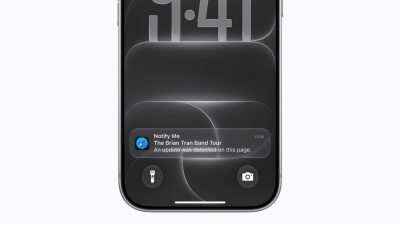
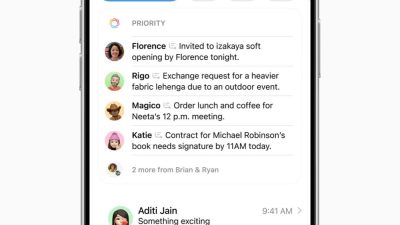
Apple Intelligence, the cornerstone of iOS 26, moves beyond simple voice commands. It learns from patterns across your apps to offer contextual suggestions. For instance, if you consistently check traffic before your morning commute, the system will proactively display route options on your Lock Screen. This predictive capability is designed to reduce friction, but it requires users to understand its privacy-centric model—data processing happens on-device, a fact emphasized in Apple’s support documentation.
The integration extends to Messages, where polls and custom backgrounds now leverage AI to suggest relevant topics or generate backgrounds based on your photo library’s themes. This isn’t just cosmetic; it’s a subtle nudge toward more organized group planning. Users must actively engage with these prompts to train the system, turning passive consumption into an active dialogue with the device.
Compatibility and the Hardware Reality Check
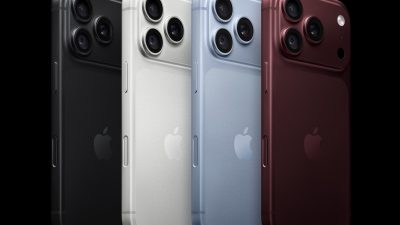
Not all devices are created equal in this new ecosystem. iOS 26’s advanced features, particularly those tied to Apple Intelligence, require specific hardware capabilities. The update is compatible with the iPhone 17e and newer models, alongside the iPad Air and MacBook Neo, but older devices will experience a scaled-down version of the experience. This creates a clear performance hierarchy: newer hardware unlocks the full suite of proactive features, while older models may see only the visual redesign.
The March 2026 update (iOS 26.3) further refined these capabilities, introducing new default settings aimed at streamlining user choices. This indicates Apple’s ongoing effort to balance power with simplicity, but it also means users must periodically review their settings to ensure they aren’t missing out on newly enabled functions.
Navigating the Update Cycle and User Experience
The update process itself has evolved. With iOS 26.2 and subsequent releases, Apple has integrated more granular control over performance and battery life impacts. Users are no longer passive recipients; they must actively manage how updates affect their device’s behavior. The WIRED critique of iOS 26.2 highlighted the real-world friction points, noting that the update’s ambition can sometimes overwhelm the user with choices, turning a simple upgrade into a configuration project.
Practical mastery involves a disciplined approach: review the “What’s new” support page before updating, check compatibility for your specific device model, and use the first week post-update to customize Apple Intelligence settings. For businesses, the March 2026 introduction of Apple Business as an all-in-one solution suggests iOS 26 is also a platform for enterprise integration, requiring IT departments to reassess deployment strategies.
Actionable Insights for the Forward-Looking User
To truly master iOS 26, shift from viewing it as a static OS to a dynamic partner. Start by auditing your app permissions to feed Apple Intelligence with accurate data, then experiment with Messages polls to see how AI-driven suggestions improve group coordination. Monitor battery usage in Settings after the first major update (like 26.3) to identify any performance drains. Looking ahead, the trajectory is clear: future updates will deepen AI integration, making user education and proactive customization not just beneficial, but essential for maintaining device efficacy.