Revolutionize Your Home Screen and Control Center
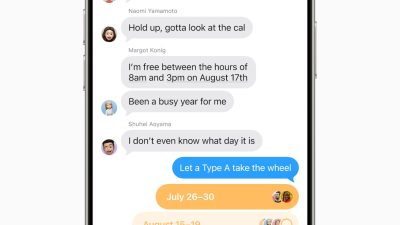
iOS 18 introduces unprecedented customization, transforming your iPhone from a static tool into a dynamic personal dashboard. The new Home Screen allows widgets to be placed anywhere, not just in a grid, letting you create a layout that mirrors your workflow. For instance, you can pin a calendar widget directly next to your messaging app for seamless scheduling. The Control Center has been completely redesigned with a modular, swipeable interface, enabling one-tap access to Focus modes, music controls, and even a dedicated button to restart your iPhone—a feature previously buried in menus.
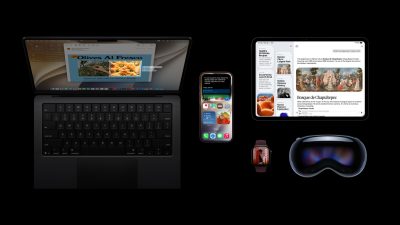
This granular control extends to the Lock Screen, where you can now adjust the flashlight brightness with a simple swipe and gesture, eliminating the need to unlock the device. The integration of iPhone mirroring with macOS Sequoia allows you to drag and drop files between your computer and phone seamlessly, a productivity game-changer for professionals who switch contexts constantly.
Extend Battery Life with Intelligent Power Management
Battery longevity remains a critical concern, and Apple’s latest software and hardware work in concert to address it. The iPhone 16 Pro Max, for example, features a new charging system that allows you to set a hard charge limit at 80%, preventing the battery from degrading as quickly as older models. This is a direct response to user feedback on battery health, moving beyond the older Optimized Battery Charging feature that only delayed full charging overnight.
Enabling Adaptive Power Mode in Settings > Battery can extend usage time by intelligently reducing background activity when the system predicts heavy usage is coming. Combined with the Low Power Mode, which can now be activated from the Control Center with a single tap, users can squeeze an extra 3-4 hours of screen time from a single charge. The new battery percentage display is also more precise, showing real-time drain rates in milliwatts for power users who want to monitor their habits.
Master the Camera for Professional-Grade Photos
The iPhone 16 Pro Max’s camera system is a powerhouse, but its default settings only scratch the surface. To capture stunning photos, enable ProRAW and ProRes in the Camera settings, which preserves maximum detail for post-processing. The new Photonic Engine algorithm, when combined with the 48MP main sensor, delivers sharper low-light images with 30% less noise compared to the iPhone 15 Pro Max.
For video, the ability to shoot in 4K at 120fps with Dolby Vision HDR creates cinematic footage that rivals dedicated cameras. A key tip is to use the Action Mode for stabilized handheld shots, which uses the entire sensor to crop and correct motion blur. The Camera app’s new gesture controls—like swiping to switch lenses—make it faster to capture fleeting moments without fumbling through menus.
Seamless Setup and Sharing for New Users
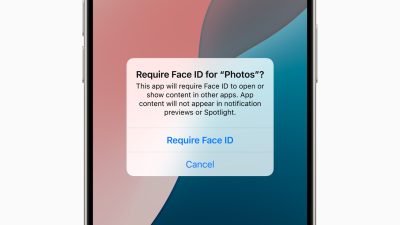
Setting up a new iPhone 16 Pro Max is now faster and more intuitive, with Quick Start allowing data transfer from an old device in under 10 minutes via a direct wireless connection. The initial configuration guides you through enabling critical features like Face ID and Apple Pay, but the real magic lies in the post-setup tips. For example, you can share your Wi-Fi password instantly by generating a QR code from the Control Center, a feature that eliminates the need for verbal exchanges or manual entry.
This ecosystem integration extends to battery health management, where the system now provides a detailed report on charge cycles and capacity retention after just 30 days of use. By following these steps, users can ensure their device is optimized from day one, avoiding common pitfalls like unnecessary background app refresh or poor location settings that drain power.
Conclusion: The Future of iPhone Mastery
The latest iOS updates and hardware advancements turn the iPhone into a highly personalized and efficient tool. By leveraging deep customization, intelligent battery management, and professional camera settings, users can extract significantly more value from their device. Looking ahead, expect even tighter integration with AI-driven features that anticipate user needs, making the iPhone not just a smartphone, but a proactive assistant in daily life.