How to Install Xcode on Mac | Install Xcode on macOS (M1, M2, M3, M4, M5 Apple Silicon, MacBook Pro & MacBook Air)
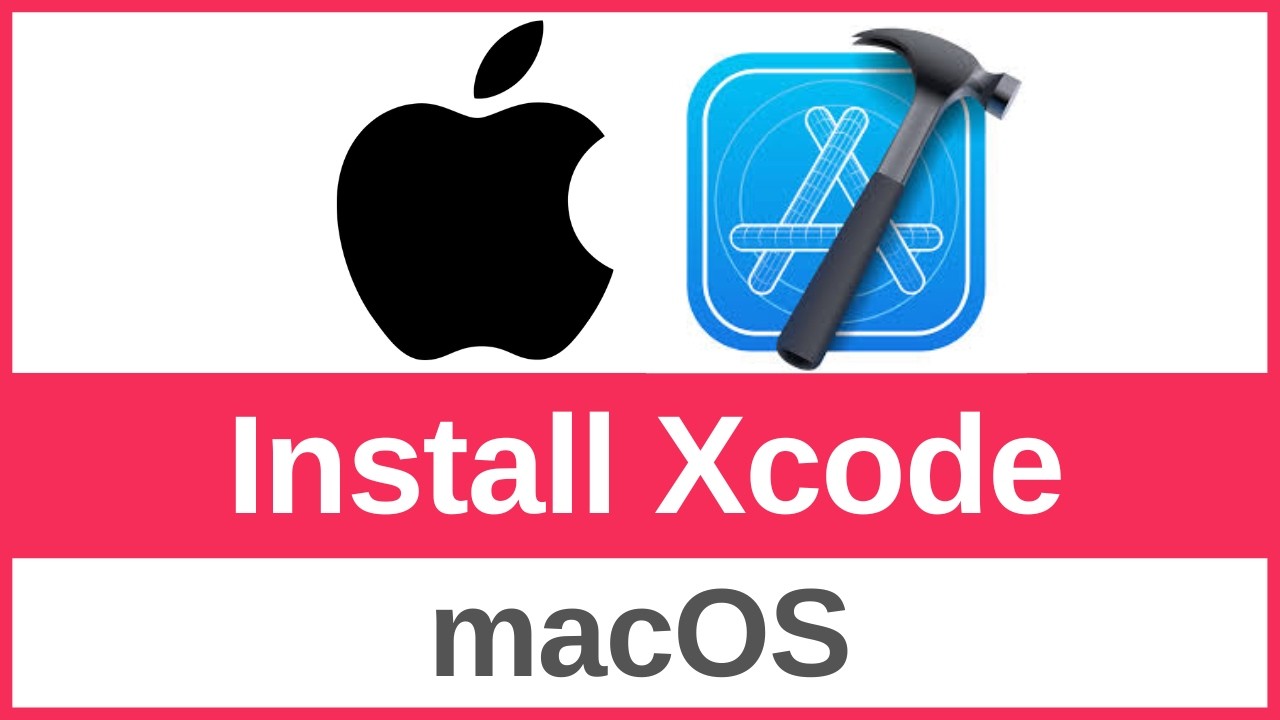
In this complete step-by-step tutorial, you’ll learn how to install Xcode on macOS quickly and correctly. Xcode is Apple’s official integrated development environment (IDE) for building apps for iOS, macOS, watchOS, and tvOS. Whether you’re a beginner learning Swift, an aspiring iOS developer, or a professional Mac developer, this guide will help you set up Xcode on your Mac without any issues.
This tutorial covers the full installation process for Xcode on macOS, including Apple Silicon Macs such as M1, M2, M3, M4, and M5. Whether you’re using a MacBook Pro, MacBook Air, or any modern macOS device, this video ensures you follow the correct steps for a smooth and error-free installation experience.
We start by showing you how to download Xcode safely from the Mac App Store or Apple’s developer website, and explain the differences between the latest stable version and beta releases. You’ll also learn how much disk space Xcode requires and best practices for a successful installation on your Mac.
Next, we walk you through installing Xcode step by step, including launching it for the first time, accepting license agreements, and installing additional components. We also cover how to verify that Xcode is working properly, including checking the version, running the simulator, and confirming that command-line tools are correctly installed.
Since Xcode relies on Apple’s development tools and Swift programming language, this tutorial also explains how to configure the Xcode environment, install Command Line Tools, and set up a workspace for your first project. We cover tips for optimizing Xcode performance on Apple Silicon Macs, handling updates, and avoiding common installation issues such as crashes, missing simulators, or slow downloads.
This video works on all modern macOS versions and supports both Apple Silicon and Intel-based Macs. It’s ideal for students, Swift learners, iOS and macOS app developers, and anyone preparing a professional development environment on Mac. No prior Xcode experience is required.
By the end of this tutorial, you’ll have Xcode fully installed and ready to use on your Mac, enabling you to start building iOS, macOS, watchOS, and tvOS applications with confidence. You’ll also be ready to explore Swift programming, design UI layouts, and test apps using simulators.
If you found this tutorial helpful, don’t forget to like, share, and subscribe for more macOS tutorials, Swift programming guides, Xcode setup videos, and developer-focused content. Leave a comment below if you face any issues during installation or want more Xcode tutorials.
#Xcode #MacOS #InstallXcode #AppleSilicon #M1 #M2 #M3 #M4 #M5 #MacBookPro #MacBookAir #iOSDevelopment #Swift #MacDevelopment #AppDevelopment #DeveloperTools #MacTutorial #Coding #IDEInstallation #iOSApps #MacApps
Note: ProgrammingKnowledge is the original author of this video, we just embed it, if you have any questions please contact him via Youtube.