Mainland China shipped about 59.3 million smartphones in the third quarter of 2026, Omdia said on Oct. 14. That is down 12% on year, and it is the weakest third quarter since 2013. In the second quarter the drop was only 2%.
Omdia puts it on memory. Memory prices hit a near-term high in the quarter, retail prices went up again, and buyers got more careful about replacing phones. Results split widely by brand.
Huawei 12.4 million, Apple 11.6 million
Huawei stayed first. It shipped 12.4 million units, up 18% on year, for a 21% share. Apple was second with 11.6 million units, up 15%, and a 20% share. The two together took 41% of the market. That is about 10 points more than a year earlier.
vivo was third, only just ahead of OPPO, which Omdia counts with OnePlus and realme. Both shipped about 9.0 million units and each had 15%. Xiaomi was fifth with 8.0 million. The release gives no on-year change for vivo, OPPO or Xiaomi. Honor is not in it at all.
IDC had iPhone down 4.3%
The Apple line is the odd one. A day earlier, IDC's preliminary count had China shipments down 15.4% to 57.9 million and iPhone units down 4.3%, with Apple at 17.8% share. Omdia has the same market shrinking less, and Apple growing.
Huawei is close in both counts. IDC said 12.2 million. Omdia says 12.4 million.
The reasons given for Apple are different too. Omdia says Apple kept prices of existing models steady before the new launch, which pushed channels to stock early and built momentum for the fourth-quarter window. IDC said the new iPhones sold better than expected, but fewer models this year pulled volume down. IDC calls its figures preliminary. Neither firm addressed the other's number.
Counterpoint's global count from Oct. 12 had worldwide Q3 shipments down 20% and iPhone share at 22%, also with lower Apple volume on year.
Pro models only in September
Omdia says Apple's plan to launch only Pro models in September, and move the standard model and others to 2027, is now in place. In the firm's view this changes Apple's full-year shipment curve. It also moves the competitive window for Chinese brands, which may need to shift launch timing, resources and product mix to use the gap.
Those brands are moving up as well. Omdia principal analyst Hayden Hou said Xiaomi dropped the standard model from its numbered flagship series this year, and OPPO and vivo added Pro Max models. Entry and mid-range phones get fewer colors and only a few core memory configurations.
"Maintaining brand momentum while protecting profitability remains a key challenge for all vendors," Hou said.
Omdia also found 28% of Chinese consumers would consider switching brands for more advanced AI features. Senior analyst Lucas Zhong said phone AI agents are still held back by app permission limits, no common protocols and on-device computing power.
Duo orders in the fourth quarter
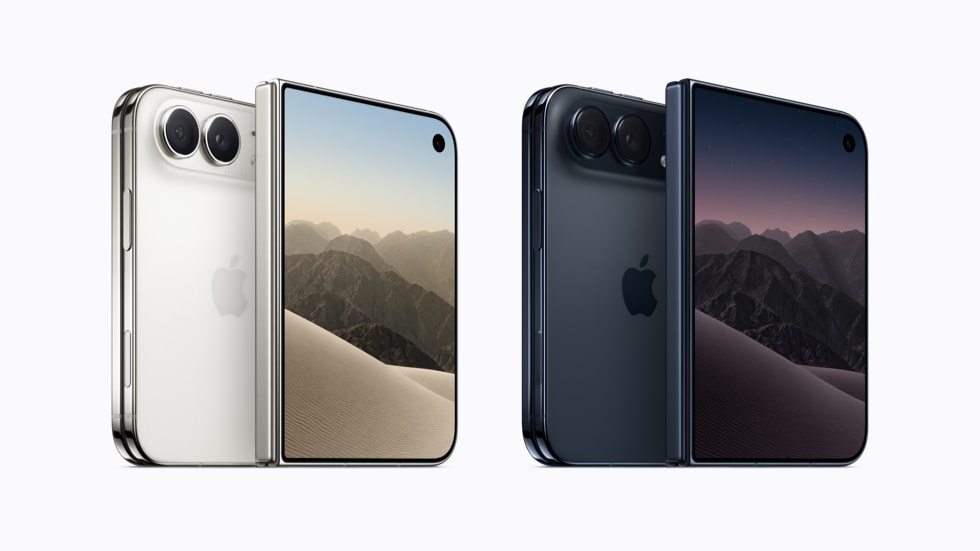
The fourth quarter has the iPhone Duo, on sale Oct. 23. Securities Times reported on Oct. 10, citing Apple supply chain sources, that Apple raised Duo orders by 30%, but the total is still under 10 million units. The same report said iPhone 18 Pro orders were cut 10% to 15% and iPhone 18 Pro Max orders raised by 10% to 15%, so the Pro series total did not change.
That does not match Nikkei. It reported October component orders for both Pro models cut by at least 15%.
Omdia expects mainland China shipments to fall about 7% for all of 2026. It gave no unit forecast for the fourth quarter. On cost, CFM has mobile LPDDR up only 0% to 5% in 4Q26, then more than 20% in the first quarter of 2027.
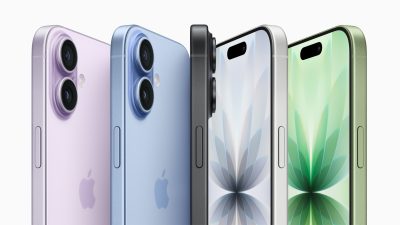
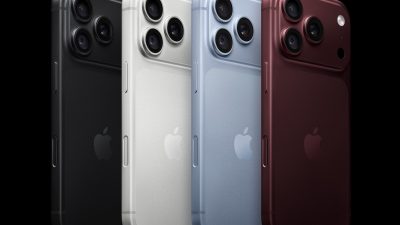
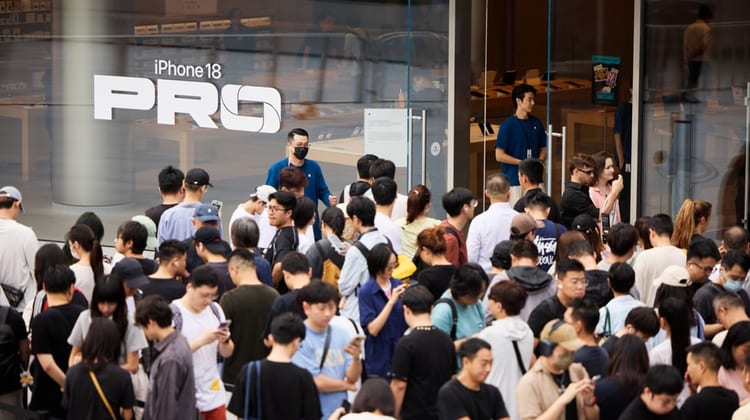
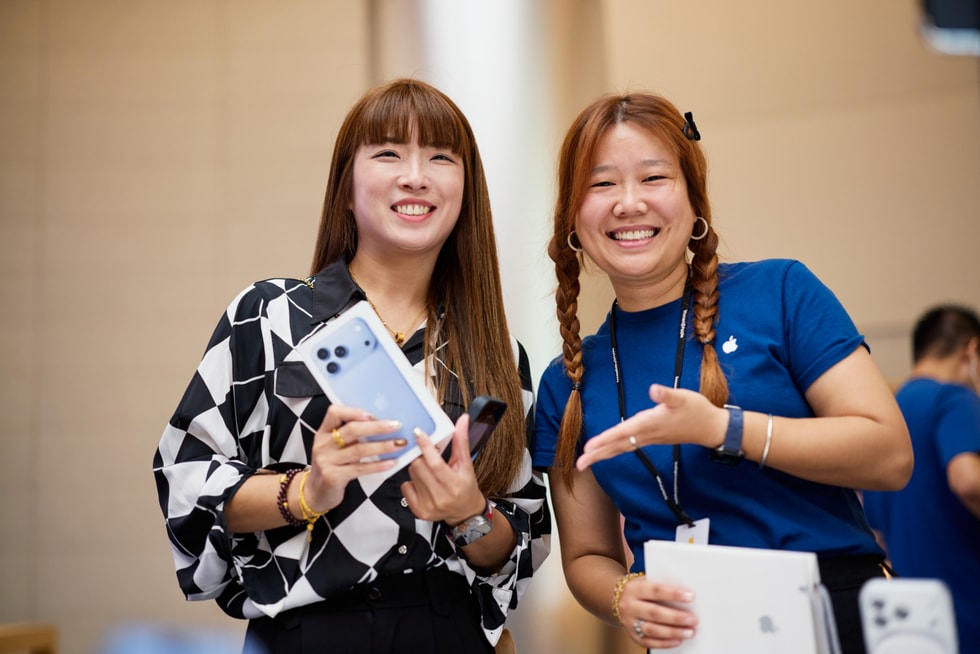
Photo: Apple (Apple Jing'an in Shanghai on iPhone 18 Pro launch day, September 2026; iPhone Duo, September 2026)
Source: Omdia, mainland China smartphone shipments 3Q26 (Oct. 14, 2026), English and Chinese releases; IDC China preliminary Q3 2026 (Oct. 13); Securities Times (Oct. 10)