TrendForce published a memory outlook on Sep 30. Conventional DRAM contract prices are still rising in the fourth quarter. The firm now puts the on-quarter gain in a 10 to 15 percent band. That is slower than the sharp lifts earlier in 2026. The market stays undersupplied. Suppliers keep advanced-process wafers on high-performance server parts first.
NAND Flash is also up. Overall NAND contract prices are projected to climb 15 to 20 percent on-quarter in 4Q26. Enterprise SSDs are the only segment TrendForce expects to accelerate versus the prior quarter. Phone-side storage and mobile DRAM look quieter on new orders. Brands are burning inventory instead.
Mobile DRAM stays tight, but the hike slows
Rising mobile DRAM costs and the end of cheap inventory continue to weigh on smartphone production. Bit demand from phone makers is suppressed. At the same time, suppliers keep shifting capacity toward higher-margin AI and server products. Mobile DRAM allocations remain tight. The upward price trend is still intact. TrendForce says growth should moderate in 4Q26 because large increases were already locked in during earlier quarters.

The note does not print a fresh LPDDR5X dollar ASP for October. It does not name Apple’s share of any supplier’s mobile DRAM output. Those phone contract figures sit in earlier coverage, including Apple’s acceptance of a Samsung Q1 2027 memory quote near $2/Gb.
Enterprise SSD demand jumps while phones pause UFS buys
Enterprise SSD bit demand is projected to grow by more than 80 percent year over year in 2026. Cloud service providers are expanding AI inference infrastructure. TrendForce also ties the surge to agentic AI workloads and rising QLC use in vector databases. Most incremental enterprise SSD supply is already committed. Little sits on the open market. That is why enterprise SSD price growth is expected to accelerate in 4Q26.
Smartphone brands are the main buyers of eMMC and UFS. For the fourth quarter they are largely using existing inventories. Incremental procurement from suppliers is described as very limited. Lower-margin products such as TVs, set-top boxes, and wearables have even less room to absorb higher prices. Suppliers want broader hikes on the back of AI pricing. OEMs answer with only the minimum volumes needed to keep supplier relationships. Negotiations have narrowed to price checks on small order books.
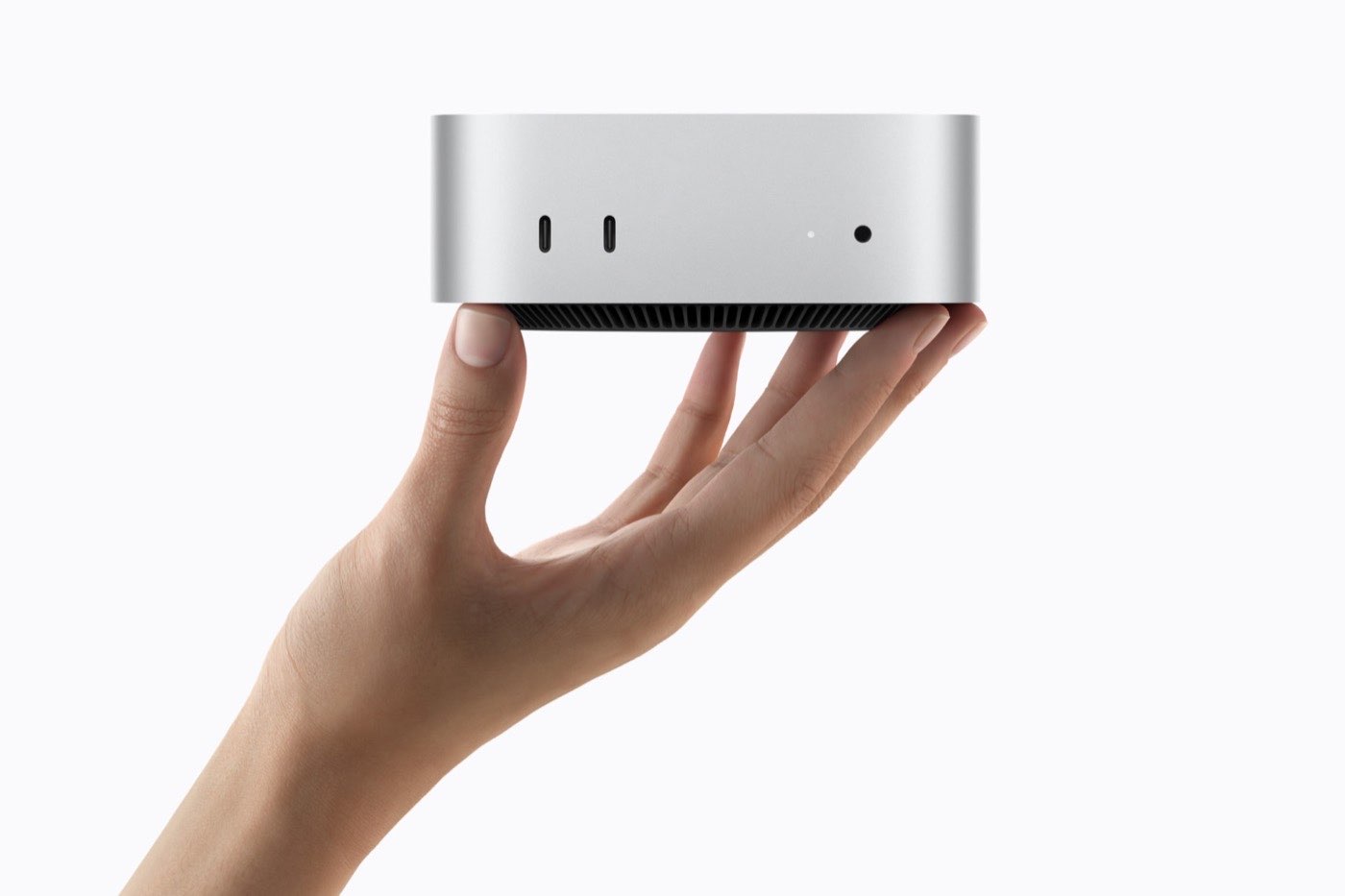
PC DRAM still supported; 2027 supply may shrink further
Notebook inventories increasingly reflect higher component costs in the fourth quarter. That weighs on end-market sales. PC OEMs are still buying aggressively. They expect DRAM supply to stay tight into 2027. Suppliers have been fulfilling agreed volumes to PC OEMs and module makers each quarter through 2026. TrendForce warns PC DRAM supply could decline in 2027 as more capacity moves to server applications.
Server DRAM itself remains undersupplied in 4Q26. Better server CPU availability has pushed CSPs and server OEMs to raise bit buys for general servers that run agentic AI workloads. Component supply, packaging and testing capacity, and front-end DRAM flexibility still limit how fast supply can catch demand. Some suppliers’ price increases may lag the market average because of long-term agreement terms.
What TrendForce did not put in this note
The Sep 30 brief is a contract-price and allocation update. It does not forecast a retail iPhone street price for the holiday quarter. It does not break out a China versus global phone production figure for October. It also does not revise the full-year smartphone unit outlook in this release. Earlier TrendForce work on this site put 2026 phone production near 1.07 billion units on early buys, against a wider market story of a roughly 14 percent shipment drop when memory costs bite.
Last week’s Samsung profit notes still matter for context. Brokerages framed Q3 DRAM contract gains near 13 to 18 percent, with margins staying high while HBM takes more wafer share. See the Samsung DRAM margin and Q3 profit brief. Today’s TrendForce piece shifts the camera to 4Q26: the hikes continue, the pace cools for conventional DRAM, and phone makers lean on stock while enterprise SSD and server bits stay hot.
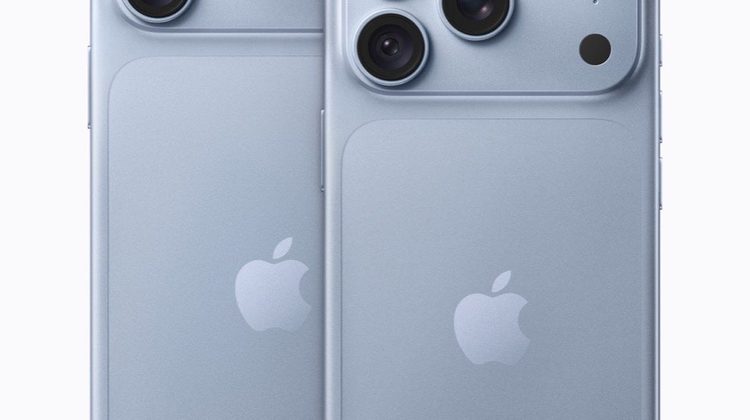
Photo: Apple
Source: TrendForce press note, Sep 30, 2026, “AI Server Demand Sustains Memory Contract Price Increases in 4Q26, While Consumer-Side Pressure Persists”