Supply chain reports on Sept. 23–24 say Foxconn’s final assembly yield for iPhone Duo is only about 60% to 65%. Hinge parts, foldable OLED panels, and the new assembly line are all still slow. Pre-orders stay on Oct. 16. Store day is still Oct. 23. First-wave stock may stay thin.
Apple has not said the launch moves. Analysts already cut early shipment guesses. That is the trade-off: keep the quality bar and ship fewer units, or loosen it and go faster.
Foxconn yield sits near 60% to 65%
Taiwan’s NextApple, citing Weibo supply-chain talk on Sept. 24, puts whole-unit yield at Foxconn around 60%–65%. AplWire on Sept. 23 used a similar “about 60%” figure and named Apple’s quality bar as the reason many units do not pass.
Neither story published a named Foxconn or Apple official quote on the exact percentage. Tipster FixedFocus, as relayed by AplWire, said Apple is choosing yield work over raw capacity for now. How long that lasts is not in the reports.
Some notes say it may take six months, or even a year, to reach the mature yield Apple usually wants on a new iPhone. That timeline is rumor, not a company schedule.

Hinge, Samsung Display OLED, and first-time fold assembly
NextApple lists three bottlenecks. First is the hinge. Duo uses a complex titanium composite hinge. Apple also tested Liquidmetal parts during development and kept changing the design late. Crease control and long-term open-close durability both add process steps.
Second is the foldable OLED. Samsung Display supplies the panel for the first batch, according to CINNO Research’s Zhou Hua as cited by Yicai and MacDailyNews on Sept. 23. Panel yield is said to be below plan, which slows finished phones.
Third is assembly itself. Folding display lamination, battery install, and mid-frame alignment are new for Apple’s mass foldable line. Equipment and steps still change while the line runs. Straight phones do not have that overhead.
MacDailyNews, also citing Yicai, says Foxconn does primary assembly. Lens Technology leads ultra-thin glass. BIEL Crystal also makes cover plates. Hinge assembly is led by Amphenol and Taiwan’s Shin Zu Shing. Eontec supplies Liquidmetal hinge spindles. Jiangsu Gian handles metal-injection-molding parts. Lingyi iTech supplies hinge-chain parts, support plates, vapor chambers, and battery-case modules. Zhou said Chinese firms are deep in secondary links, not the core display and final assembly seats.
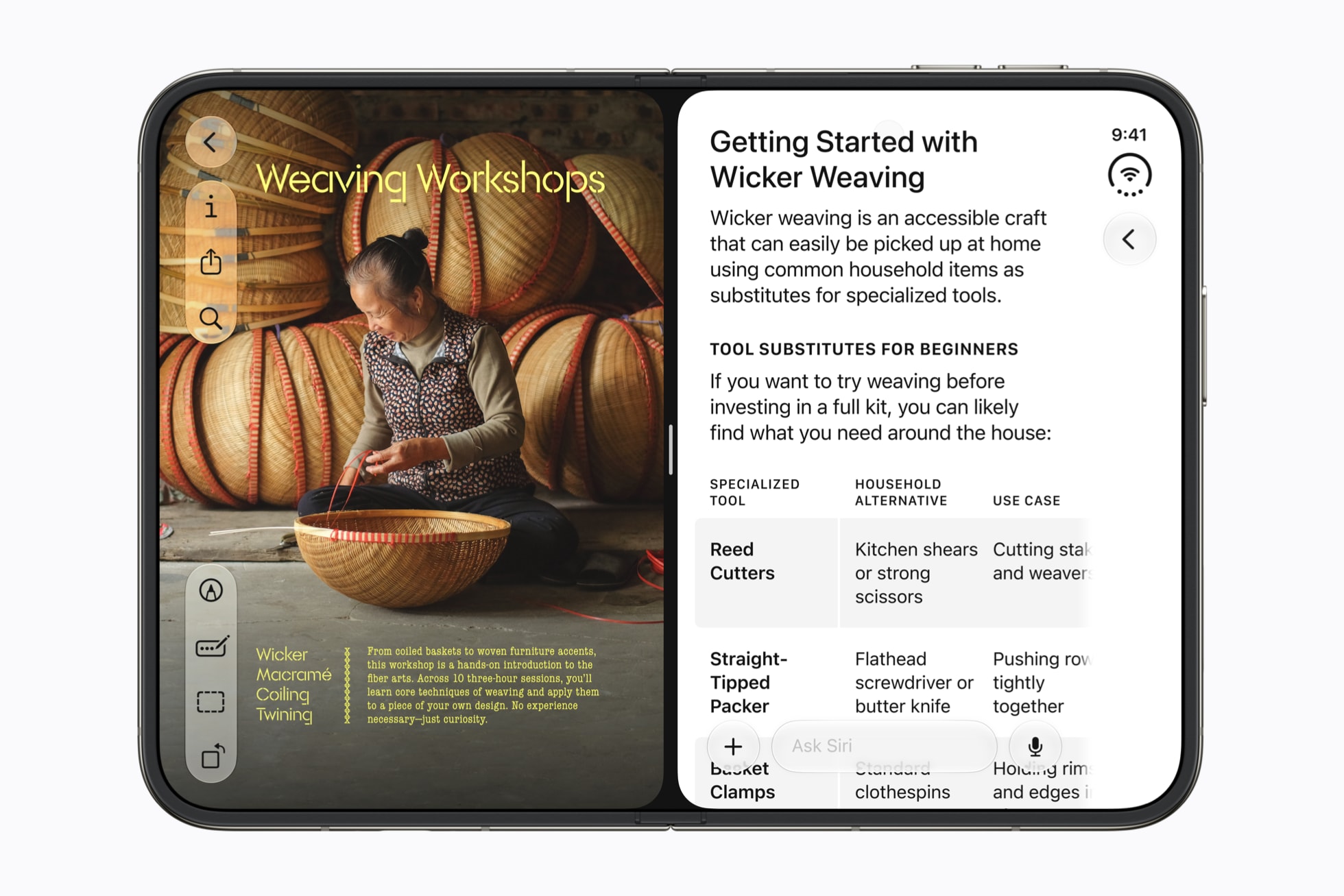
Oct. 16 pre-order and Oct. 23 launch not delayed
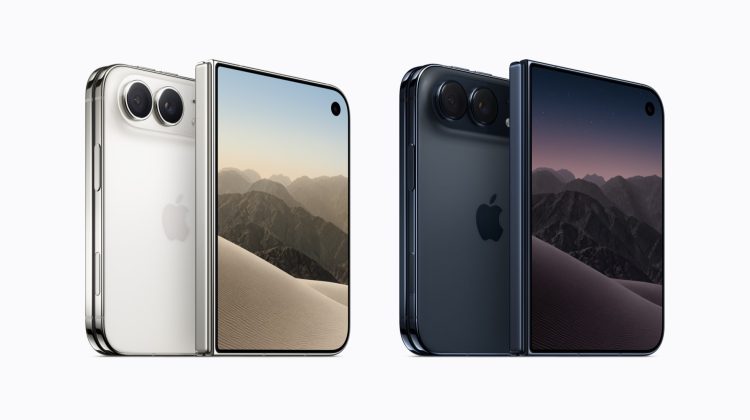
Apple’s Newsroom still lists pre-orders from Oct. 16 and availability from Oct. 23 in more than 70 countries and regions. Duo starts at $1,999 in the U.S. for 256GB. Colors are star white and night sky. Inner display is listed as 7.6 inches. Outer is 5.4 inches.
NextApple says Taiwan list price starts at NT$74,900. The same report says Apple has not announced a delay, but first stock at launch may be hard to find, with possible secondary-market markups until capacity rises.
On the accessory side, site news today covered the iPhone Duo Case at $79 and Folio at $129, both MagSafe and Qi2 25W, orderable from Oct. 16. Cases do not fix the phone yield problem.
What the reports do not show
No public Foxconn factory yield chart. No Apple confirmation of the 60%–65% band. No official cut to Oct. 23. No named figure for first-month units after the yield chatter.
Earlier Industry coverage this week stayed on other tracks: COE and LTPO+ delay talk for the anniversary iPhone, and Samsung DRAM wafer mix shifting toward HBM. Duo yield is a separate assembly story from the CXMT LPDDR6 mass-production notes earlier this month.
Photo: Apple
Source: NextApple (Sept. 24), AplWire (Sept. 23), MacDailyNews / Yicai / CINNO Research (Sept. 23), Apple Newsroom