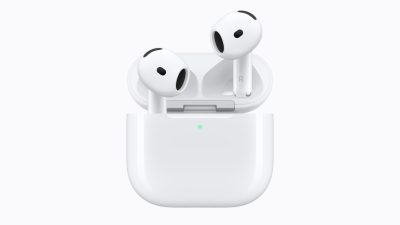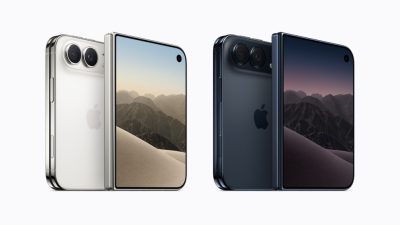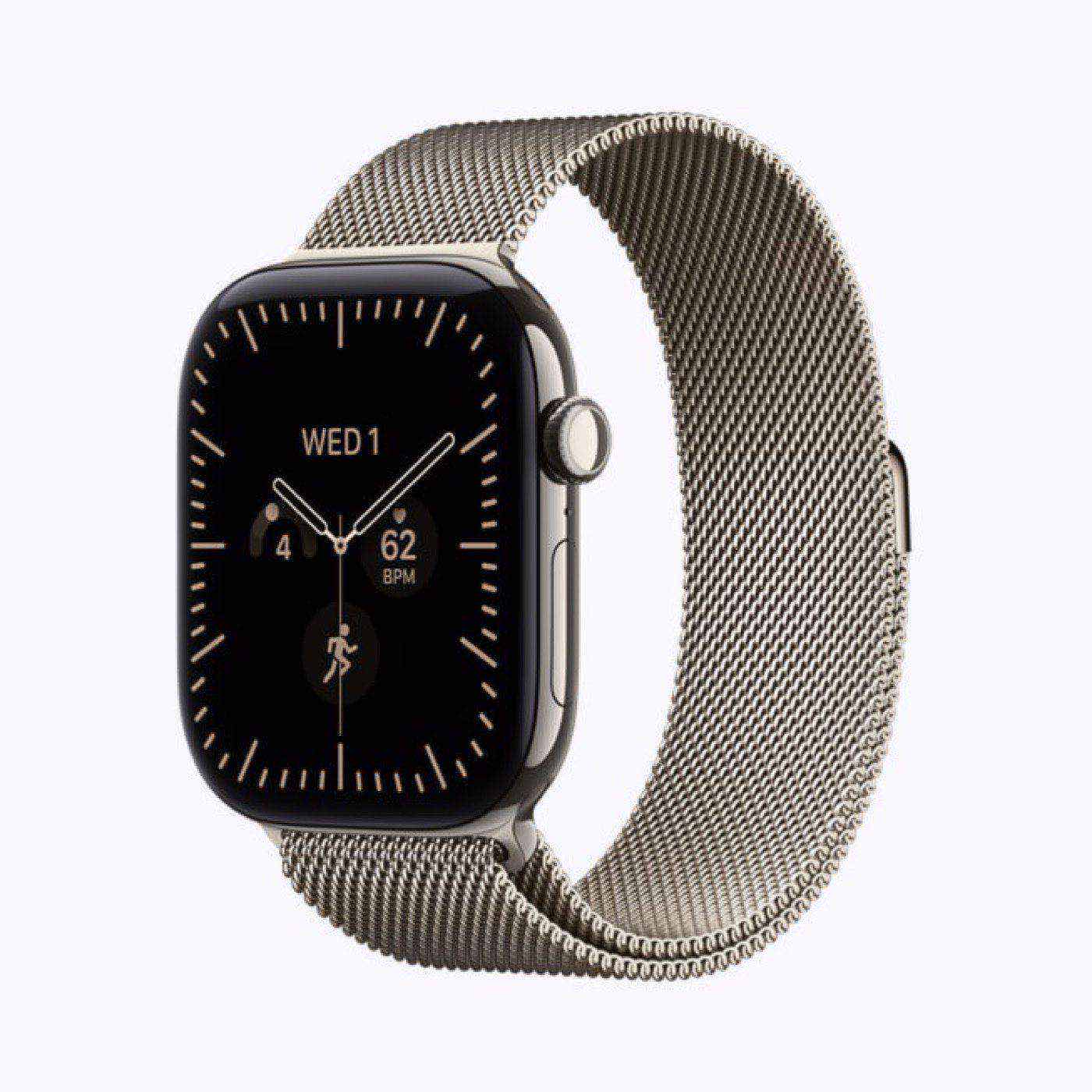
A San Diego federal jury on September 25 told Apple to pay Taction Technology $5,721,961,750. The award covers claims that the Taptic Engine in iPhones and Apple Watches infringes two Taction haptics patents. The jury also said the infringement was not willful. Apple says it will appeal.
The case is Taction Technology, Inc. v. Apple Inc., No. 3:21-cv-00812, before Judge Todd W. Robinson in the Southern District of California. Reuters called the figure the largest U.S. verdict of its kind to date. Judgment itself is not yet entered on the docket, so post-trial motions still sit ahead of any appeal clock.
$5.72 billion, three claims, no willfulness
Jurors answered yes on claims 17 and 19 of U.S. Patent 10,659,885 and claim 16 of U.S. Patent 10,820,117. Both patents are titled Systems and Methods for Generating Damped Electromagnetically Actuated Planar Motion for Audio-Frequency Vibrations. They name Silmon James Biggs as inventor and claim priority to a September 24, 2014 provisional.
On willfulness the answer was no for both patents. On invalidity, which Apple had to prove by clear and convincing evidence, the court’s minute entry records the verdict for Taction. Damages came back as a single line: $5,721,961,750. The form does not break that number down by patent, product, or year.

What Taction said the Taptic Engine does
Taction accused iPhone and Apple Watch models that use Apple’s Taptic Engine. The Federal Circuit had described Taction’s theory as a closed-loop controller plus ferrofluid that produces a highly damped output. For single-magnet designs, Taction leaned on the doctrine of equivalents.
Taction filed in April 2021. The company builds haptic tech used in headphones and gaming headsets. Court papers and reporting say Taction accused Apple of buying and reverse-engineering two Kannon headsets that used its designs. Apple denied the claims and argued the patents were invalid.
A San Diego judge granted Apple summary judgment of noninfringement in August 2023. On August 13, 2025 the Federal Circuit vacated that ruling and sent the case back. Trial began September 14, 2026, the same week iOS 27 and the new phones hit stores.
Apple’s line, and what happens next
“Apple’s Taptic Engine is fundamentally different from Taction’s technology, which Taction’s own testing of Apple’s products confirmed during trial,” Apple said in a statement. “Apple does not use Taction’s technology, and we will appeal.”
Taction attorney Lance Yang said the firm was happy the jury vindicated its patent rights. Apple’s Rule 50(a) papers, filed before deliberations, already attacked the damages record and argued the jury heard no expert reasonable-royalty rate after the court excluded parts of Taction’s damages case. Expect that fight to return under Rule 50(b) and Rule 59 once judgment is entered.
Owners watching other September legal calendars already saw the Siri AI settlement claim window open through December 21. Hardware buyers on the new Pro phones are still waiting on the separate Monday Face ID fix window. Those tracks are unrelated to Taptic Engine royalties.
Why Watch and iPhone both sit in the case
Apple introduced the Taptic Engine with the first Apple Watch in 2014, then brought the linear resonant actuator approach to iPhone. Our earlier coverage of Apple Watch Series 12 Audio Intelligence sits on that same haptic stack for alerts and Recap cues. The verdict form does not say which product years drive the $5.72 billion line.
Nothing in the public verdict form forces a shipping change this week. Apple can keep selling current iPhone 18 Pro and Watch models while it fights the award. The practical near-term question is whether Judge Robinson enters judgment as written, cuts damages, or orders a new trial on numbers.
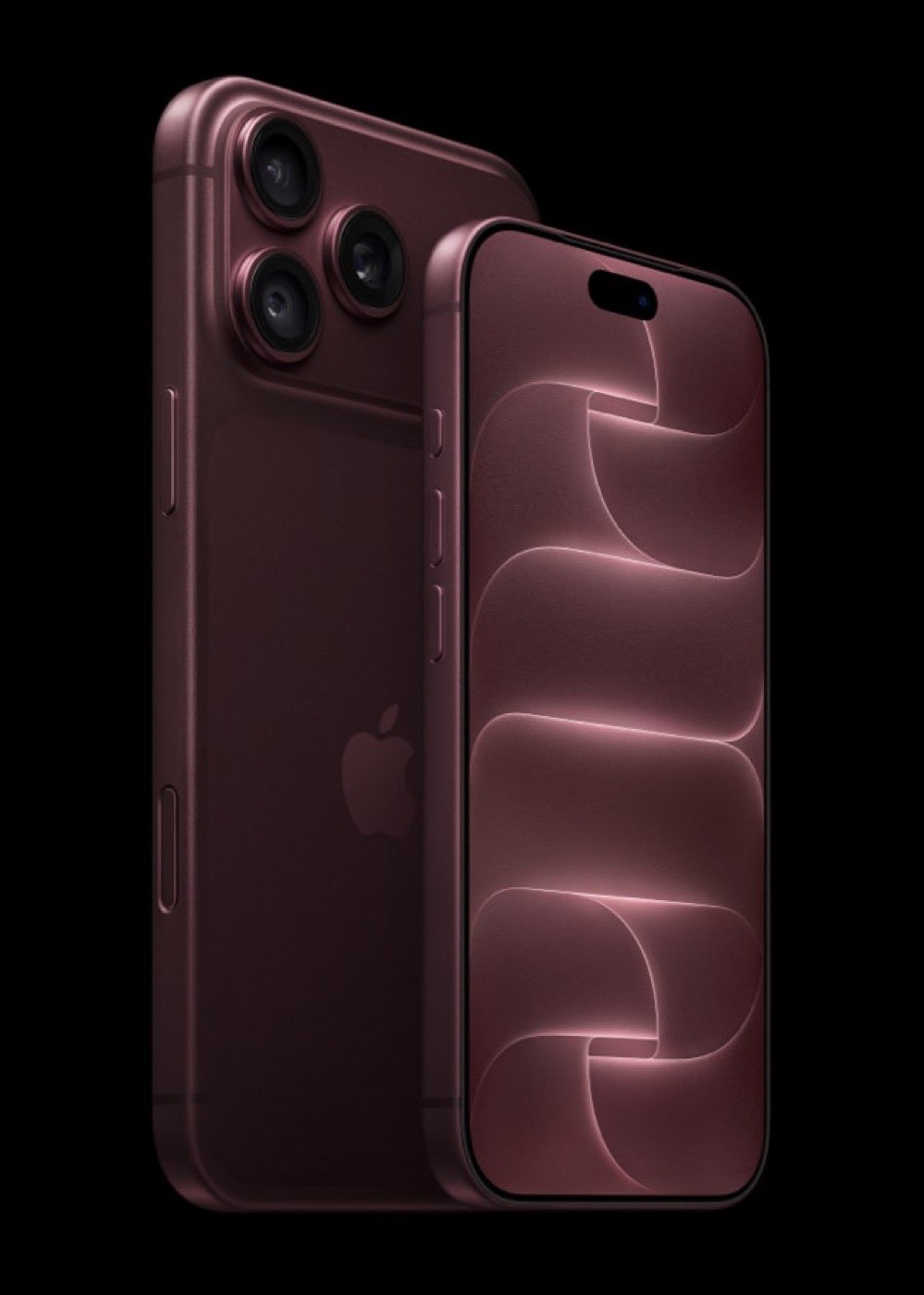
Photo: Apple Newsroom store and product shots
Source: Reuters; Southern District of California verdict form and minute entry; Apple statement; Patent Litigator case notes