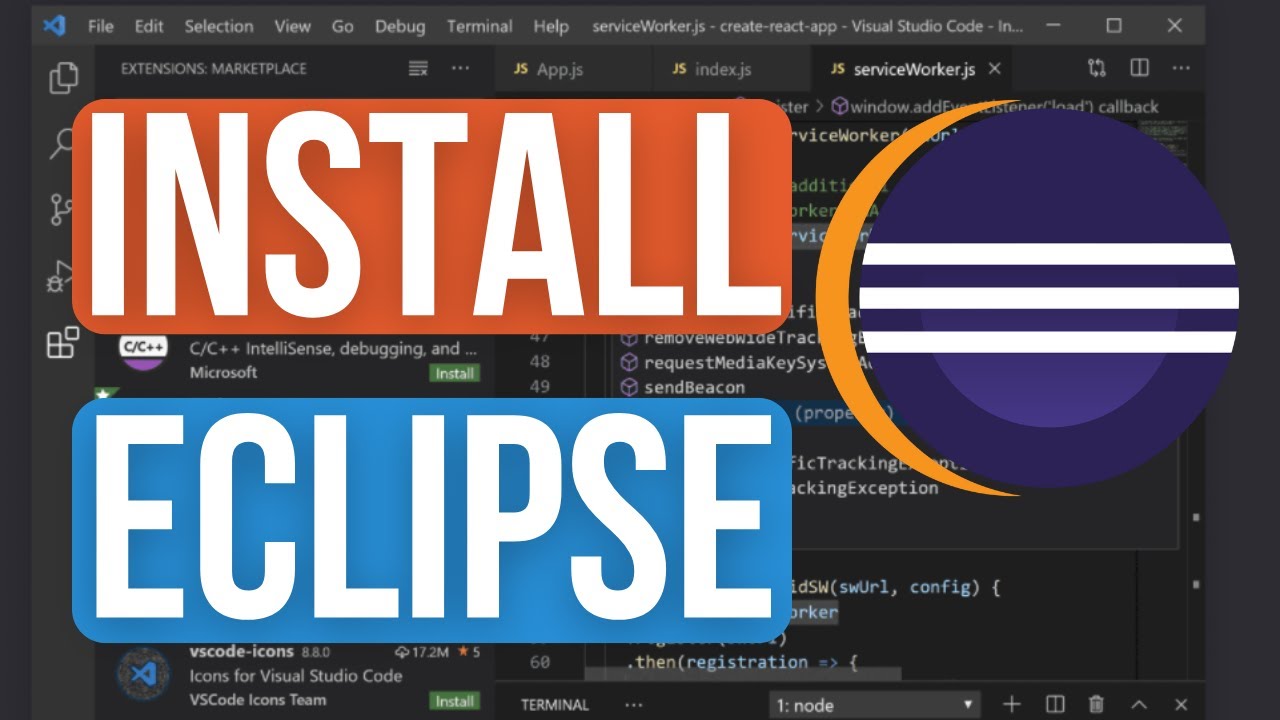
How To Install Eclipse IDE on macOS and Run Your First Java Program
In this complete step-by-step tutorial, you’ll learn how to install Eclipse IDE on macOS and run your first Java program successfully. This guide is perfect for beginners, students, and developers who are new to Java or setting up a Java development environment on a Mac. Whether you’re using a MacBook Pro, MacBook Air, iMac, or Apple Silicon Mac (M1, M2, M3, M4, or newer), this tutorial will help you get started without missing any steps.
This video begins by explaining what Eclipse IDE is and why it is one of the most popular integrated development environments for Java programming. You’ll understand how Eclipse helps developers write, run, and debug Java applications efficiently. Everything is explained in a simple and beginner-friendly way, making it ideal even if you have never used an IDE before.
You’ll first learn how to download Eclipse IDE safely from the official Eclipse website and choose the correct Eclipse package for Java development. The tutorial explains which version of Eclipse is best for macOS and what system requirements you should be aware of before installation.
Next, this guide walks you through the Eclipse installation process on macOS step by step. Since Eclipse does not use a traditional installer, you’ll learn how to extract the downloaded file, move Eclipse to the Applications folder, and launch it correctly. The tutorial also explains how to handle macOS security prompts that may appear when opening Eclipse for the first time.
Once Eclipse IDE is installed, this video shows you how to set up Java in Eclipse. You’ll learn how Eclipse detects the Java Development Kit (JDK), how to verify the Java version, and how to configure Java manually if needed. These steps ensure Eclipse is fully ready for Java development.
You’ll then create your first Java project in Eclipse, write a simple Java program, and run it successfully. The tutorial explains each step clearly, including creating a class, writing code, and understanding the output in the console. This hands-on example helps beginners gain confidence in using Eclipse and Java together.
Common beginner issues such as Eclipse not opening, Java not detected, workspace errors, or problems running the first Java program are also covered. Simple troubleshooting tips are provided to help you fix these issues quickly on macOS.
This tutorial works on all modern macOS versions and supports both Intel-based Macs and Apple Silicon Macs. It’s ideal for students, Java beginners, computer science learners, and anyone starting Java programming on a Mac.
By the end of this video, you’ll have Eclipse IDE fully installed on macOS and successfully run your first Java program. You’ll be ready to continue learning Java, building projects, and exploring software development with confidence.
If you found this tutorial helpful, don’t forget to like, share, and subscribe for more macOS tutorials, Java programming guides, IDE installation videos, and beginner-friendly coding content. Leave a comment below if you face any issues or want more Java or Eclipse tutorials.
#EclipseIDE #Java #MacOS #InstallEclipse #JavaProgramming #LearnJava #MacBook #AppleSilicon #M1 #M2 #M3 #Programming #Coding #SoftwareDevelopment #DeveloperTools #BeginnerGuide #TechTutorial #JavaOnMac
Note: Hello Java By ProgrammingKnowledge is the original author of this video, we just embed it, if you have any questions please contact him via Youtube.