Counterpoint Research put MediaTek ahead of Samsung’s Exynos in the premium Android application-processor market for 2026. MediaTek’s shipment share is forecast at 12%. Exynos sits at 11%. MoneyToday carried the table on October 7. DigiTimes ran a related brief on October 12.
The same Counterpoint tracker says the whole smartphone SoC market is shrinking. Shipments are projected to fall by double digits this year. Premium chips take a bigger slice of what remains. Premium products are expected to make up 40% of smartphone SoC shipments in 2026, up from 30% in 2024.

Photo: Apple (iPhone 18 Pro lineup)
MediaTek at 12%, Exynos at 11%
Counterpoint’s premium Android AP forecast for 2026 puts Qualcomm at 50%, down from 55% in 2024. HiSilicon rises from 17% to 18%. MediaTek moves from 11% to 12%. Samsung’s Exynos holds at 11% and loses the No. 3 slot by one point.
MoneyToday said MediaTek’s share of flagship Android SoC shipments is set to rise from about 5% in 2022 to 12% this year. Flagship Dimensity revenue is described as roughly five times the 2022 level. That growth is tied to Chinese OEMs such as vivo, OPPO, and Xiaomi after the Dimensity 9000 generation.
Samsung’s broader smartphone AP share rose from 6% in the second quarter of 2025 to 9% in the second quarter of 2026, MoneyToday said. The recovery still leaves Exynos behind MediaTek in the narrower premium Android cut.
Dimensity 9600 Pro buys TSMC 2nm
The chip behind that push is Dimensity 9600 Pro. MoneyToday said it uses TSMC’s 2-nanometer process and is priced at up to $220, the highest MediaTek flagship SoC price cited there. It supports LPDDR6 and UFS 5.0. Devices named include the vivo X500 Pro series and the Oppo Find X10 Pro Max.
DigiTimes’ October 12 headline framed MediaTek’s flagship AP share as set to surpass Samsung as TSMC capacity backs Dimensity. The public DigiTimes page is paywalled beyond the lede. Secondary write-ups add dual-NPU specs. Those numbers are not in MoneyToday’s main text, so they stay out of this brief.
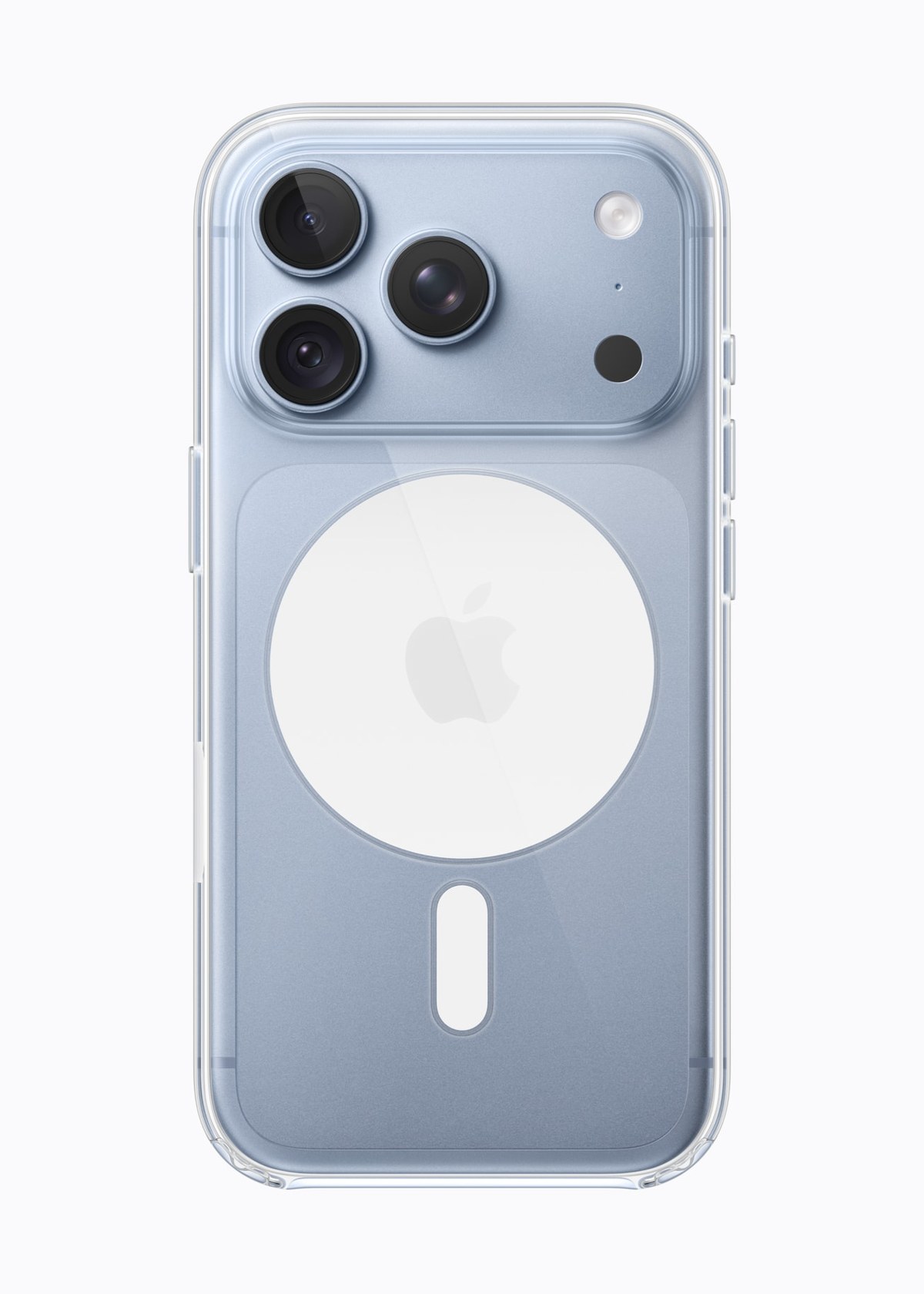
Photo: Apple (iPhone 18 Pro Clear Case)
Galaxy needs more Exynos for LSI and foundry
Samsung’s reply is more Exynos inside Galaxy, including a 2nm path for models such as Galaxy S27 Ultra, according to MoneyToday. Higher attachment would feed System LSI sales and fill Samsung Foundry’s Yangsan 2nm lines. MediaTek’s premium ramp buys TSMC N2 wafers instead.
That split matters while Apple also holds early TSMC capacity for A20 Pro. See our earlier note on Samsung and Qualcomm talking 2nm while Apple books early TSMC slots, and the SMIC–Samsung–TSMC foundry scorecard from the second quarter.
What Counterpoint did not put in this table
The note does not publish a retail iPhone ASP change. It does not break out Apple’s own silicon inside the Android-only premium table. It does not say how many Dimensity 9600 Pro units will ship, or whether Exynos 2nm yields will hit Galaxy targets.
Phone OEMs are already cutting elsewhere. Samsung’s mobile unit is seen in the red even as group profit hits records on memory. See the Q3 107.4 trillion won profit and Galaxy loss estimates. Korean reports also say Samsung asked suppliers for a 20% to 30% Q4 Galaxy production cut. The MediaTek–Exynos stack is a separate meter: Qualcomm still first, then HiSilicon, MediaTek at 12%, Exynos at 11%, on a smaller SoC market where premium mix rises to 40%.
Photo: Samsung Electronics (Galaxy Z Fold8); Apple (iPhone 18 Pro)
Source: Counterpoint Research via MoneyToday, Oct 7, 2026; DigiTimes, Oct 12, 2026