Samsung Electronics put out its third-quarter guidance on October 8. Operating profit was about 107.4 trillion won, a company record. Sales were about 195 trillion won. The money came from memory. The phone side, by analyst estimates, lost money again.
Korean rules do not allow a range as the headline, so these are midpoints. The ranges are 194 trillion to 196 trillion won for sales and 107.3 trillion to 107.5 trillion won for profit.
107.4 trillion won, up 782.5% on year
A year ago, in the third quarter of 2025, Samsung made 12.17 trillion won operating profit on 86.06 trillion won sales. In the second quarter of this year it was 89.49 trillion won on 171.5 trillion won. So profit is up 782.5% on year and about 20% on quarter. Sales rose 126.6% on year and 13.7% on quarter.
Yonhap Infomax consensus was 105.55 trillion won, so the print came in a little above. Last month we wrote that Samsung's DRAM margin was seen above 80% as Q3 profit neared 100 trillion won. It passed that line.
What the release does not have: no split by division, no net profit, no reason for the growth. Samsung gives that with final results at the end of October.
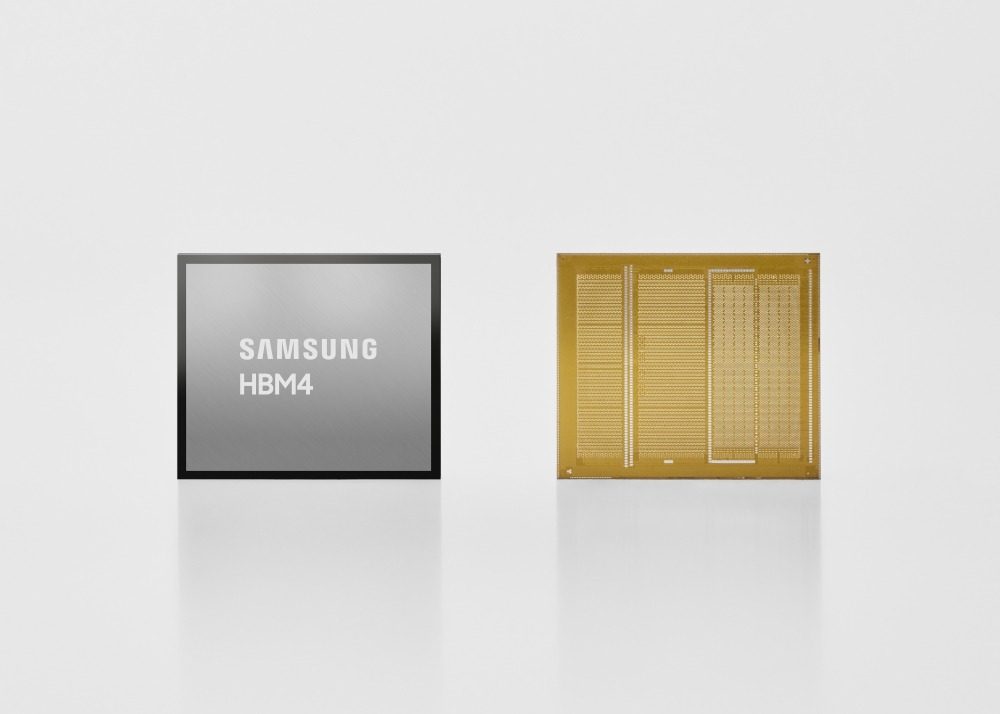
Photo: Samsung Electronics (HBM4)
Meritz: DRAM about 80 trillion won
Brokers filled the gap. Meritz Securities estimates the Device Solutions chip division made 107.3 trillion to 109 trillion won. Of this, about 80 trillion won from DRAM and about 29 trillion won from NAND flash. Foundry and System LSI were still in the red by 1 trillion to 1.5 trillion won, on startup costs at the Taylor fab in Texas, the Asia Business Daily reported.
DRAM and NAND average selling prices rose around 20% from the second quarter, according to analysts cited in the same report. For the fourth quarter TrendForce sees DRAM contracts up another 10% to 15%, as in our earlier TrendForce DRAM report.
Galaxy unit seen losing up to 1.9 trillion won
For Samsung's own phones the same memory is a cost. Estimates for the Mobile eXperience and Networks business range from a 900 billion won loss to 1.9 trillion won, MoneyToday said. Meritz is at 1.9 trillion. Kiwoom Securities is at 1.7 trillion. The unit made 2.8 trillion won in the first quarter and lost about 700 billion won in the second.
Counterpoint Research says memory was 43% of the cost of a premium smartphone in the third quarter, against 14% a year earlier, Seoul Economic Daily reported. ChosunBiz wrote that the mobile memory purchase price in the first half was up about 211% from the prior-year average.
Volume did not save it. Daishin Securities estimates 62 million Samsung smartphone shipments for the quarter, flat on year, with average selling price up 2.95% to $314. The Galaxy Z Fold8 Ultra 256GB factory price rose 8.3% from its predecessor and the Flip8 rose 17.2%.
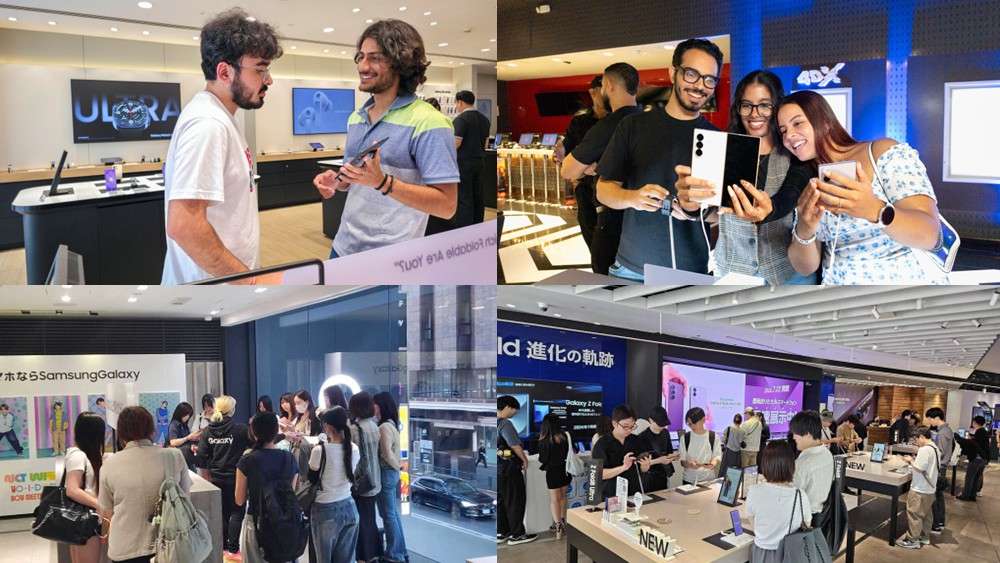
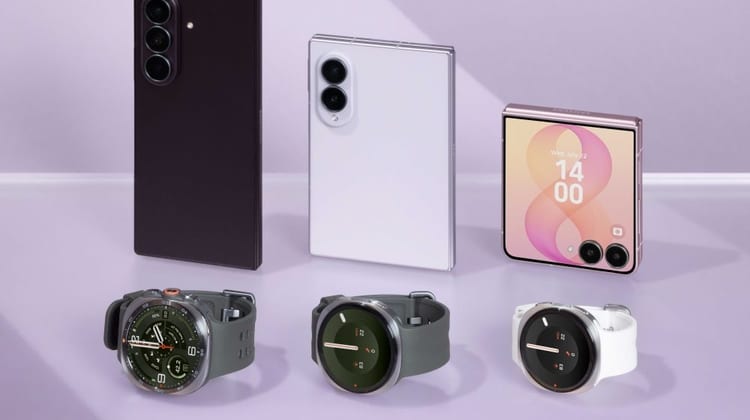
Photo: Samsung Electronics (Galaxy Z8 launch, August)
Price hikes, then cuts to production
Samsung raised Galaxy S26 prices in Korea this month by about 150,000 won. In the U.S. it was a $100 mid-cycle increase on the Galaxy S26. MoneyToday reported on October 7 that the mobile division has moved to cut production of some models by up to 30%.
Meritz expects the mobile unit to make about 1 trillion won in the first quarter of 2027 on seasonal sales, then lose 600 billion to 900 billion won a quarter through the rest of the year.
For other phone makers the number to watch is the contract price. "With production shifting primarily to server products, selling prices for mobile DRAM supplied to major customers are expected to surge by more than 50% starting in the first quarter of 2027," Meritz analyst Kim Sun-woo said. He did not name customers. Supply is already short, see the Korean report that Nvidia can get only 60% to 70% of its 2027 LPDDR5X.
Photo: Samsung Electronics (Galaxy Z series, HBM4, launch day stores)
Source: Samsung Electronics earnings guidance, Yonhap Infomax, The Asia Business Daily, MoneyToday, ChosunBiz, Seoul Economic Daily, Counterpoint Research, Meritz Securities, Daishin Securities