TrendForce raised its 2027 HBM price outlook on Sep 29. Blended average selling price is now projected to jump 121 percent year over year. The firm points to tight supply, a larger share of higher-priced HBM4, and a gradual HBM4e ramp in the second half of 2027. HBM and conventional DRAM still fight for the same advanced-process wafers. Next-generation yields need more time. Memory stays tight into next year.
Phones feel the squeeze even though HBM goes into AI servers first. Every extra HBM wafer is one less conventional DRAM wafer. Mobile LPDDR sits on the short end of that allocation. Yesterday’s conventional DRAM note already framed phone brands as burning inventory while server bits stay hot.
Samsung puts HBM near 30% of industry DRAM wafers
Samsung Electronics Executive Vice President Kim Taewoo told Reuters HBM should take nearly 30 percent of the DRAM industry’s total wafer capacity in 2027. The share is about 20 percent now. Kim said HBM and conventional DRAM compete for the same capacity. Further HBM expansion can constrain standard DRAM supply.
At Samsung’s own fabs, industry estimates cited by Seoul Economic Daily put average monthly HBM wafer input near 180,000 this year. The same report sees roughly 250,000 wafers a month in 2027, up nearly 40 percent. The HBM4 family could account for around 80 percent of Samsung’s HBM shipments next year, up from roughly 40 percent this year as HBM4E mass production ramps.
TrendForce’s news wrap also cites ijiwei on wafer intensity. HBM consumes roughly three times as much wafer area as conventional DRAM. One HBM die’s wafer footprint is described as roughly equal to about 3GB of DDR5. When HBM’s share of DRAM capacity rises from 20 to 30 percent, conventional DRAM supply can shrink faster than those percentage points alone imply.
GPU makers eye 8-Hi stacks to stretch scarce bits
GPU and ASIC makers are considering less HBM capacity per device. TrendForce says the driver is not weaker end demand. It is scarce HBM supply and rising system cost. Versus earlier 12-Hi plans, 8-Hi stacks use fewer DRAM dies. That lowers cost per stack and the GPU bill of materials. The same HBM bit pool can also feed more GPUs.
Cutting layers does not cut the per-gigabit price. Each stack still needs one base die. An 8-Hi stack spreads that base-die cost over less DRAM than a 12-Hi stack. TrendForce expects 8-Hi products to carry a roughly 10 to 20 percent price premium per Gb over 12-Hi in 2027. More vendors may evaluate 8-Hi next year. The broader HBM price climb is still expected to hold.
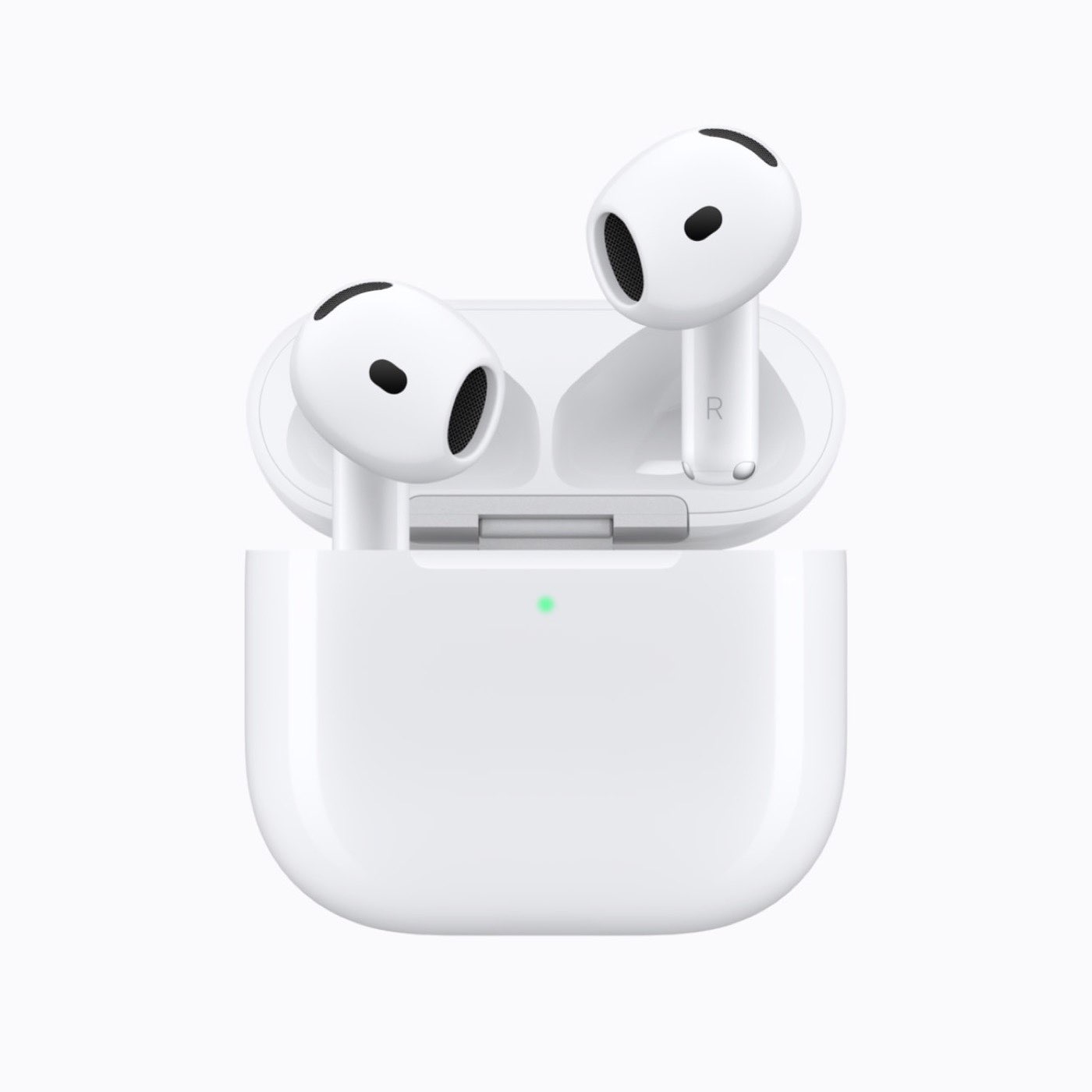
Phone memory stays on the crowded side of the fab
None of the Sep 29 notes put a new LPDDR5X contract dollar figure on the table. They do not name Apple’s share of any supplier’s mobile DRAM output. They also do not revise the full-year smartphone unit outlook in these releases. Samsung’s monthly wafer numbers in the secondary reports are industry estimates, not an earnings table. The text describes capacity competition and a firmer supplier stance on 2027 HBM pricing. It does not say phone makers will lose every LPDDR contract.
For handset context on this site, see yesterday’s 4Q26 DRAM contract update, the earlier brief that HBM share already squeezes standard DRAM, Apple’s reported acceptance of a Samsung Q1 2027 LPDDR5X quote near $2/Gb, and the Samsung DRAM margin and Q3 profit note. The new pieces move the camera to 2027: HBM blended ASP up sharply, industry wafer share near 30 percent, and 8-Hi as a cost-and-supply compromise that still prices higher per Gb.
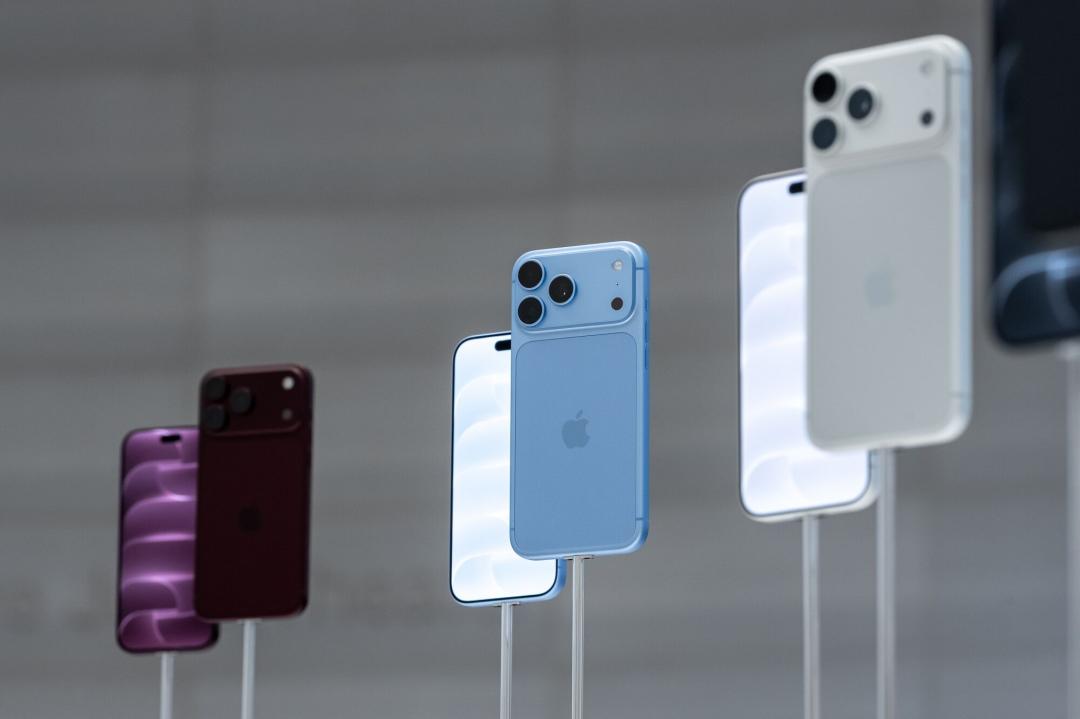
Photo: Apple
Source: TrendForce press note, Sep 29, 2026, “HBM Supply Constraints Persist, 2027 Price Outlook Revised Upward with Blended ASP Forecast to Rise 121% YoY”; TrendForce news wrap citing Reuters / Seoul Economic Daily / ijiwei on Samsung capacity