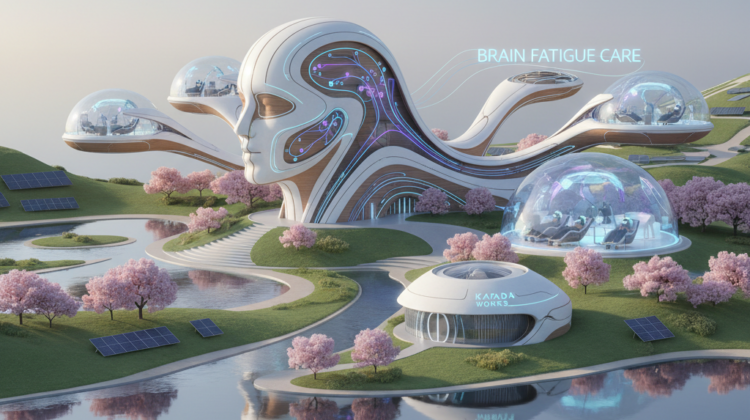
A dry head spa in Nishishinjuku is being marketed not as a luxury scalp indulgence, but as a direct intervention for “brain fatigue”—a shift that says more about wellness markets than about massage techniques. In the last year, Japanese-style head care has migrated from salons into clinical-adjacent language, hardware-driven systems, and technology-enabled relaxation, turning the scalp into the newest front line of stress management.
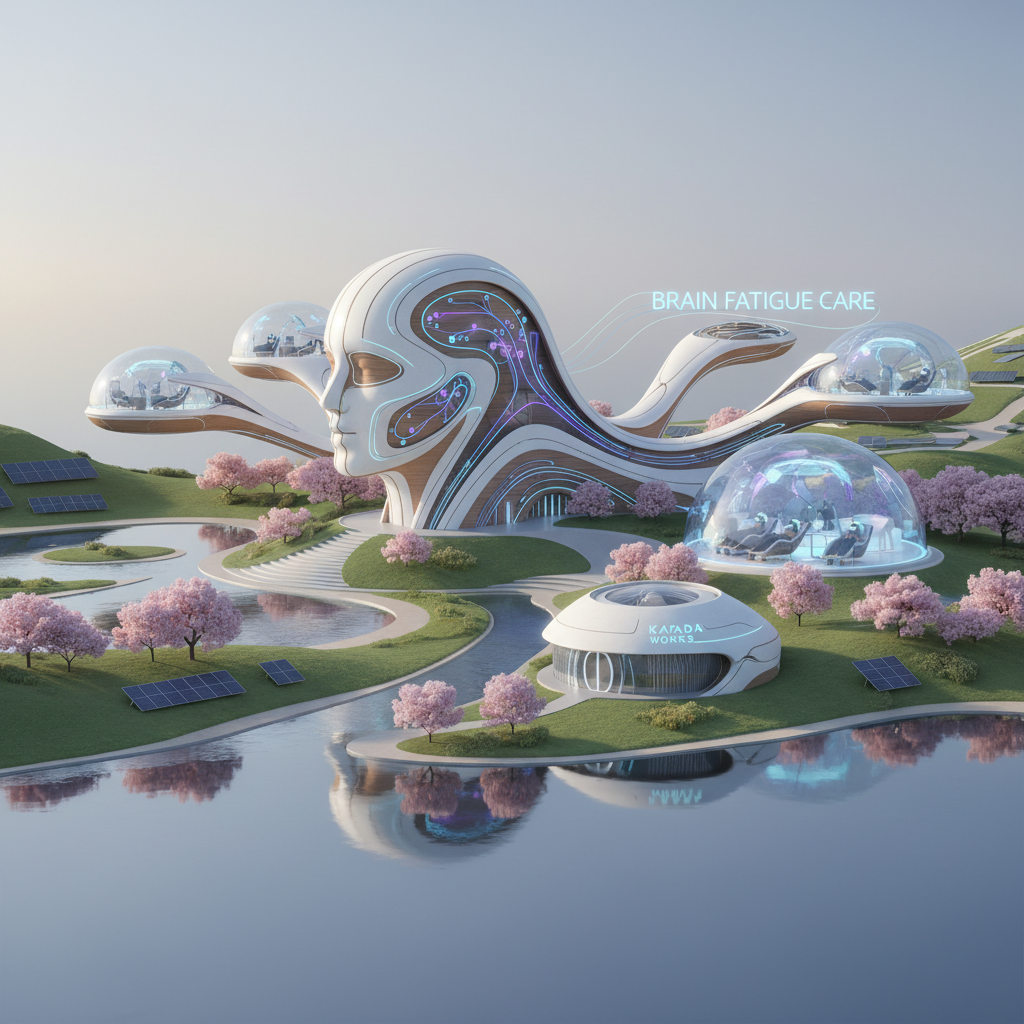
From soothing to targeted: “brain fatigue” and the new positioning
Karada Works’ expansion into brain fatigue care offers a telling snapshot of where Japanese head spa is heading. In April 2026, the company launched “La HEAD,” a dry head spa in Nishishinjuku, Tokyo, explicitly framed around brain fatigue. The service borrows the logic of Japanese dry head rituals—no basins, no water choreography—so the experience can be delivered faster, more repeatedly, and with a clearer “reason to book.”
The practical implication is that dry formats reduce friction for both customers and operators. A wet ritual often requires prep, cleanup, and larger space footprints; a dry head ritual can be scaled into treatment rooms with consistent timing. That operational advantage matters because “brain fatigue” is not just a mood. It’s a concrete complaint people are willing to pay to relieve—especially in dense urban markets where screen work and commuting compress recovery time.
Karada Works’ messaging also suggests a broader trend: Japanese head spa is being re-described in modern terms—relaxation becomes “balancing,” and balancing becomes “care.” Even if the underlying massage mechanics remain familiar (pressure, kneading, rhythmic manipulation), the market value increasingly comes from the promise of functional recovery rather than the aesthetics of calm.
Hardware enters the ritual: beds that pair head work with full-body signals
Meanwhile, Gharieni’s “ZenFusion Flow” points to a second evolution: head spa is no longer confined to a specialist chair or therapist hands alone. Gharieni’s multifunctional treatment bed combines a Japanese head spa ritual with a foot spa—two zones that work together to shape overall relaxation and perceived circulation.
The company’s product concept includes deep cleansing, gentle massage, and a warm water flow for the head spa portion. Pair that with a full-body wellness experience, and you get a designed progression: scalp work to reduce localized tension, then a heat-and-flow stimulus that can amplify the body’s downshift response. For operators, this kind of integrated system can increase average ticket value because it reframes the session as “one experience” rather than multiple add-ons.
There’s also a strategy embedded in the bed design. Head spa rituals are sensitive to variance—technique intensity, pace, and pressure consistency change with the therapist. A bed-based setup can standardize parts of the process, reduce training overhead, and give brands marketing-ready features. When the head ritual becomes a feature on a machine, it becomes easier to sell to corporate wellness programs and repeat clients who want predictability.
Technology and personalization: new “Japanese style” head spa rooms in LA
The third signal comes from Los Angeles, where Wi Spa is upgrading with a new head spa concept called “Root Head Spa.” The setup is described as designed in a Japanese Yume Head Spa style—an important clue, because “Yume” positioning often implies an immersive, multi-step ritual rather than a brief scalp touch. The report also highlights individual treatment rooms, which matters for privacy and for creating the sense of a contained journey.
What makes this iteration different is the broader facility tech stack: Wi Spa’s expansion is described as including an AI robot masseuse alongside the head spa offering. That pairing is not random. Head spa is typically perceived as intimate and intuitive—great for ambiance and comfort. Adding automated massage elsewhere in the facility lets Wi Spa broaden its appeal: guests can still feel the “human warmth” of head ritual while being offered tech-forward experiences in other zones.
Root Head Spa sessions are described as focusing on scalp cleaning and exfoliating, along with massage elements. That triad—cleanse, texture refresh, then manipulation—aligns with a consumer reality: people may not always buy “stress relief,” but they strongly understand “resetting” the scalp. Exfoliation especially provides an immediate sensory payoff, making the ritual easier to justify for repeat visits.
What’s really driving growth: space efficiency, repeatability, and clearer outcomes
Across these developments—La HEAD in Nishishinjuku, ZenFusion Flow’s machine-driven integration, and Wi Spa’s Japanese-style Yume-inspired rooms—the engine of growth is consistent: head spa is becoming easier to deliver at scale while promising a more specific outcome.
Dry head rituals like La HEAD reduce the logistical overhead of water-based setups, enabling tighter scheduling and potentially lower operational costs. Meanwhile, systems like ZenFusion Flow turn the head spa into a structured, multi-stimulus pathway—deep cleansing plus gentle massage plus warm flow—reducing variability and strengthening brand consistency. And Japanese-style room concepts like Root Head Spa build a repeatable “ritual arc,” where scalp cleansing and exfoliation provide visible, tangible progress even for clients who are skeptical of purely sensory relaxation.
For consumers, the actionable question is no longer “Is it relaxing?” It’s “What exactly is the protocol, how standardized is it, and what role does it play in my recovery?” A brain-fatigue promise should ideally translate into a session structure that targets tension patterns tied to screen use—consistent pressure mapping, adequate scalp working time, and a closing sequence that doesn’t abruptly end at the peak moment.
For operators, the strategic takeaway is to design the head spa as a measurable product. Whether you’re running a dry ritual in Nishishinjuku or a bed-based ZenFusion Flow experience, you’ll win by documenting the steps: cleansing method, exfoliation timing (if included), massage intensity guidelines, warm-flow duration, and post-session recommendations. The more the session reads like a protocol—not a vibe—the more likely customers are to return and to recommend.
Forward-looking bets: expect “scalp recovery” to become a standard package
The next phase of Japanese head spa will likely package scalp work as part of a broader recovery cycle: head + feet + digital-disconnect guidance. If brands can combine dry ritual convenience with standardized hardware elements and technology-enabled personalization, head spa may become a routine wellness appointment rather than an occasional treat.
Actionable insight: if you’re choosing a Japanese head spa in 2026 or beyond, look for clarity on the protocol (dry vs. water, cleansing/exfoliation steps, and how massage is timed). If you’re building a concept, consider standardizing the “ritual arc” the way Gharieni does with integrated stimulation and the way Wi Spa does with individual rooms and a defined Japanese Yume-style focus. And if you’re positioning for brain-fatigue relief, treat that language as a promise you must operationalize—otherwise the market will quickly move on.