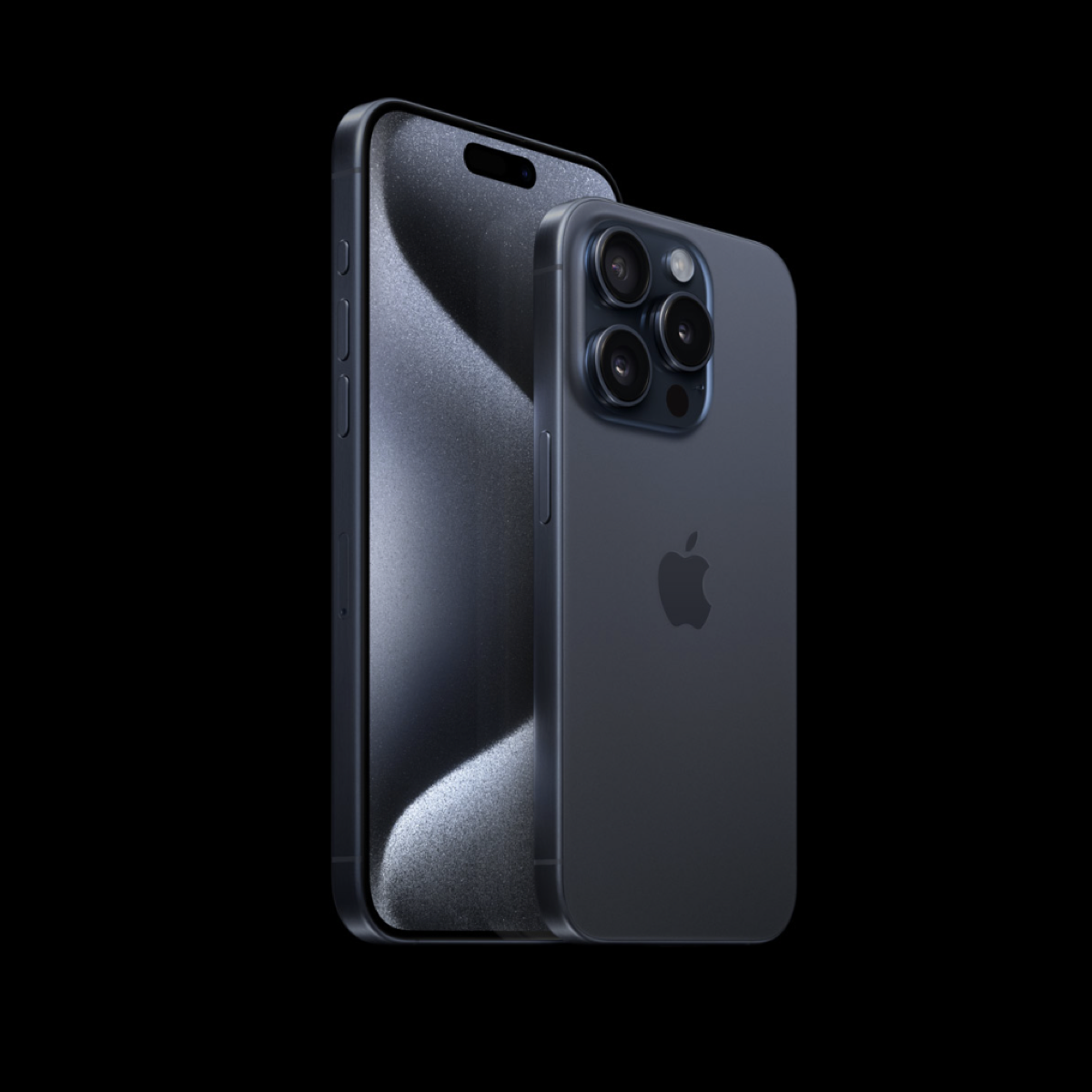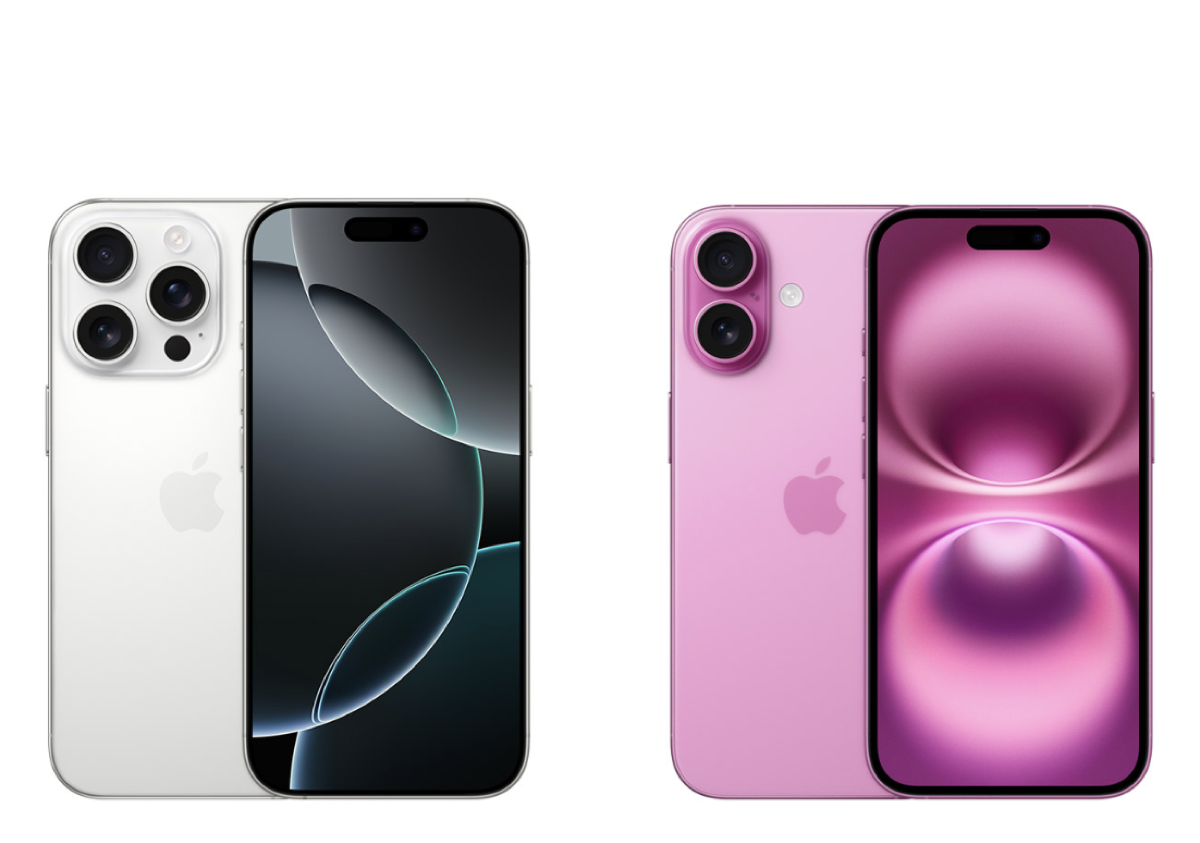
Apple posted a longer write-up on Apple Reference Image on its Security Research blog. MacRumors covered the post on Tuesday, September 15. The feature stays opt-in. It still sits on the Main camera of iPhone 18 Pro and iPhone 18 Pro Max only.
Sign at the sensor, not at the end
Reference mode boots the camera sensor into a specialized path. The sensor signs pixel data right after capture. Firmware on that path is blocked from changing the data. Apple contrasts that with systems that wait until the end of the software pipeline to sign. Those late signatures, Apple says, leave more room for tampering.
Digital negative plus the editable shot
The phone keeps a secure digital negative next to the normal editable photo. The negative holds pixel data, sensor metadata, and cryptographic timestamps with lower and upper bounds. When someone chooses to develop it for verification, the unprocessed negative goes to Private Cloud Compute. That environment runs the render steps and returns a confidence score.
What Apple claims it resists
The Security Research note lists data injection, a compromised operating system, hardware attacks, and cryptographic attacks. Apple also says the design includes quantum-secure defenses. If fraud shows up, Apple can revoke one photo or an entire sensor.
Privacy limits
Apple Reference Image skips an explicit public photographer credential. It also blocks public linking of different photos from the same sensor. Image confidentiality is protected, including from Apple, per the company write-up.
China still has no capture at launch. In the EU, capture is also held at launch on the Pro models, while develop and view stay available on iOS 27, iPadOS 27, and macOS 27.
Photo: Apple
Source: MacRumors / Apple Security Research