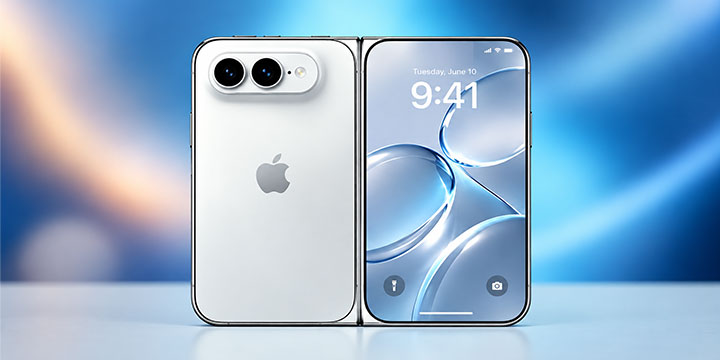
According to Gurman’s report, Apple’s hardware engineering team had already begun researching folding phone, flexible screen and related component technologies before Samsung launched the first-generation Galaxy Fold in 2019. However, in the early days, there was still a lot of discussion within Apple about what product form the folding device should take. At one time, it even considered launching a folding iPad similar to the iPad mini that could be expanded into a larger tablet.
The key figure who really made the direction of the plan clear was Tim Cook. Around 2020, after Cook returned to the United States from his trip to Asia, he showed an unusually strong interest in the foldable phone market. At that time, he saw more and more consumers in China and other parts of Asia using folding mobile phones from Samsung, Huawei and other brands, so he believed that Apple could not miss this market and asked the hardware team to speed up research and development.
People familiar with the matter even described Cook as “the earliest and largest supporter” of Apple’s foldable iPhone. Under his impetus, Apple no longer positioned its first folding device as the iPad, but instead shifted its research and development efforts to the iPhone, which has a larger market size, hoping to create a folding phone that can truly enter the mainstream market.
This level of product involvement is actually quite rare for Cook. During his tenure at Apple, Cook was mainly known for his supply chain, operations and financial management capabilities. Although he would participate in product presentations and major decisions, he usually would not be deeply involved in the initial conception of new products. Therefore, he personally asked Apple to invest in folding phones, giving the project a higher priority within the company.
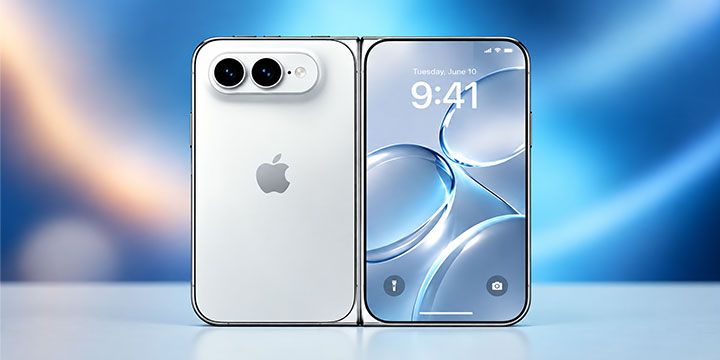
This product was codenamed “V68” within Apple. Early development was led by former hardware engineering director Dan Riccio, and was continued by John Ternus. Gurman pointed out that Cook and Ternus later became the two main supporters of the project, and Ternus used the influence of the hardware director to push the product all the way to mass production.
Price is another important issue during the entire research and development process. Apple initially hoped to keep the base model priced at $1,999, deliberately keeping it below the $2,000 threshold. However, due to supply chain factors such as rising memory costs, Apple internally discussed raising the price of the basic model to US$2,199 before the announcement, and the high-capacity version may even approach US$3,000.
In the end, Apple still chose to stick to the price threshold it originally set. The officially released iPhone Duo 256GB version is priced at US$1,999, with a maximum storage capacity version of 2TB available at a further price of US$3,199, officially becoming Apple’s most expensive iPhone in history.
From early technology exploration and the idea of folding the iPad to Cook’s personal request to switch to the iPhone, and then after years of engineering challenges such as screen creases, hinge reliability, and flexible glass, the iPhone Duo can be said to be one of Apple’s new products with the longest development time and the most complex hardware in recent years. Now with the official launch of the product, it also means that Apple has finally joined the folding mobile phone market that has been pioneered by brands such as Samsung, Huawei and Google for many years.