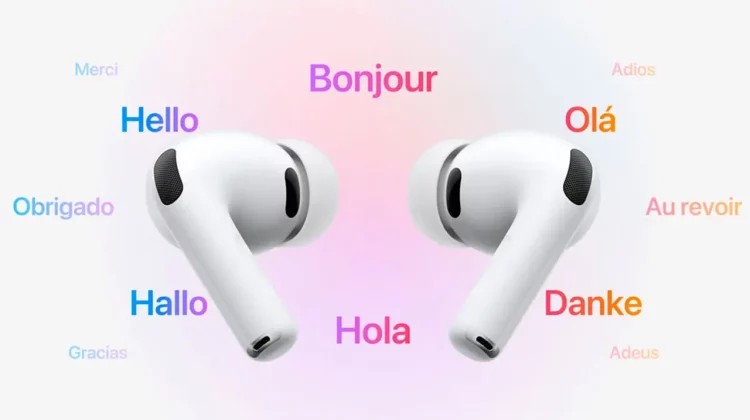
Apple has been working on headphones with integrated cameras, but their functionality will be very different from the iPhone. These cameras are not designed to capture memories or record video, but to… give Siri AI vision and improve the spatial audio experience. Rumor has it, based on leaked information and clues in macOS Tahoe 26.7 code, that the device will be able to sense objects in front of the user without requiring them to take their phone out of their pocket.
According to multiple sources, AirPods will have cameras. They will use sensors to recognize objects, read signs or identify products. Through visual intelligence technology, this technology has been applied to iPhone. But it’s not all AI: There are hints that these cameras could also help better correlate sound with the device you’re watching it on, whether it’s a laptop, tablet or TV. Here’s our review. All the details about AirPods with cameras have been revealed.
Enhanced spatial audio with screen detection support

Related references in the latest version of macOS indicate that AirPods may be able to recognize which screen you are looking at. The system integrates a camera that compares your head position to the physical location of the playback device, ensuring that the spatial sound remains the same even if you turn your head. This is a significant improvement over current motion sensors that can only calculate direction but cannot determine the direction of your gaze.
The system is able to recognize different types of screens: laptops, monitors, mobile phones, tablets and TVs. It can even detect multiple screens simultaneously and determine which one you’re viewing, adjusting the audio accordingly. Additionally, it runs automatically in the background and automatically pauses when the user walks or moves to avoid unnecessary camera usage.
Visual Intelligence and the Future of Artificial Intelligence

In addition to audio, AirPods’ cameras are designed to provide visual information to Siri. This is in line with the visual intelligence feature that already allows iPhones to recognize objects, translate road signs or identify products through the camera. Having this feature integrated into the earpiece means you no longer have to pull your phone out of your pocket to ask what you’re seeing; just look at the screen and speak.
The cameras won’t record video; they’ll only capture low-resolution still images, which will be processed locally or on Apple’s servers. These images are not saved to the iPhone’s Gallery but are used to provide contextual feedback or improve environmental recognition. This approach is reminiscent of Meta’s smart glasses, but with a more focused application. Apple has ambitious plans to give Siri eyes.
There is no official confirmation or expected date yet
Despite the many clues, Apple has yet to officially confirm the existence of these AirPods. Shoot with camera. All information comes from leaks, code analysis, and rumors from company insiders. For now, the most conclusive evidence is what we see. macOS Tahoe 26.7, Apple leaked them but has yet to confirm a release date.
As for the date, the latest rumors suggest that the launch could take place in 2027. Specifically, a release is expected in the spring. However, some reports indicate that Apple may release a basic version in advance, perhaps in September together with the new iPhone, but this basic version may not have a camera or have reduced functions. The wisest thing to do is not to jump to conclusions and wait for an official announcement.
In short, camera-equipped AirPods represent Apple’s clear commitment to incorporating artificial intelligence into everyday accessories. Screen detection is available for spatial audio and supports visual intelligence, which will be its biggest selling point, but many details are still to be confirmed. In the meantime, we’ll just have to keep an eye on Apple’s upcoming events to see if they finally reveal the project.