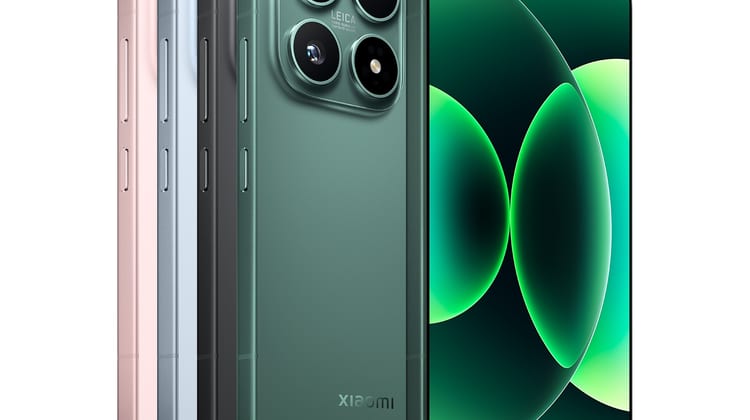
Xiaomi shipped 30.7 million smartphones in the third quarter of 2026, down 29.1% from 43.3 million units a year earlier. The numbers come from the results announcement the company filed on the Hong Kong stock exchange on November 24. Phone gross margin fell to 9.2% from 11.1%, and the filing named the pressure directly: the costs of key components, including memory, "continued to rise" in the quarter.
The same component squeeze is pushing Apple toward long-term supply contracts. Apple is reportedly close to a rare four-to-five-year DRAM deal with Samsung. Xiaomi's filing shows the squeeze landing on a full quarterly income statement.
Smartphone shipments fell 29.1% to 30.7 million units
Sequentially the picture is calmer. Shipments fell just 1.6% from 31.2 million units in the second quarter of 2026. The filing attributes the decline to "the optimization of our product portfolio and the reduction in shipments of our low-end smartphones globally, partially offset by the increased shipments in India due to the Diwali Festival."
That India line is one company's sequential note. It does not change the broader festive-season picture from Counterpoint, which had Indian smartphone sales fall 22% during the festival period.
Market context, per Omdia as cited in the filing: global smartphone shipments declined 20% year over year in the quarter. Xiaomi says it kept a top-3 global shipment ranking for the 25th consecutive quarter, with a market share of 12.1%, a third straight quarter of quarter-over-quarter share growth. Counterpoint, cited by Reuters, called the decline "significant" at more than 30% and put share at 12%, versus the filing's own 29.1% and 12.1%.

Phone gross margin dropped to 9.2% as component prices rose
Smartphone gross profit fell to RMB4,181.9 million from RMB5,095.5 million a year earlier. The filing's explanation for the margin drop: "mainly due to the increased price of key components, partially offset by the improved product mix in the Chinese Mainland." Reuters described the margin decline as driven by "continuing high memory costs," a tighter reading than the filing's own wording. The announcement publishes no DRAM or NAND contract price and gives no memory cost guidance for 2027. The component bill is visible across Apple's supply chain too, where display sourcing for the foldable iPhone has Samsung Display in a strong position for years.
Group revenue fell 5.2% to RMB107,239.5 million. Profit for the period fell 68.4% to RMB3,876.3 million. Adjusted net profit, the non-IFRS measure Xiaomi highlights, fell 56.8% to RMB4,883.9 million, rounded to RMB4.9 billion in Xiaomi's official X posts. Reuters headlined a "57%" fall. That is the adjusted figure rounded, not the 68.4% profit-for-the-period decline. Analysts had expected RMB5.2 billion on average, LSEG data via Reuters.
Average selling price hit a record RMB1,486.1
ASP rose 39.8% year over year from RMB1,062.8 per unit, and 10.0% from RMB1,351.0 in the second quarter of 2026. The filing ties the record to product portfolio optimization and new launches, naming the Redmi K100 Pro series and Xiaomi 18 Pro series in mainland China and the Redmi Note 17 series in global markets. Reuters calls the same shift a move toward higher-end models.
The volume drop and the price rise tell the same story from two sides. Xiaomi is shipping fewer cheap phones and more expensive ones. That protects revenue, which slipped only 0.8% to RMB45,578.6 million, but it does not protect margin when component prices rise across every tier.
The auto downturn weighed on the group too
NEV, AI and other new initiatives revenue fell 17.7% to RMB23,883.6 million, with NEV revenue down 19.9% to RMB22.7 billion. Xiaomi delivered 100,975 vehicles in the quarter, including over 10,000 units of the new Xiaomi SkyNomad series. The filing cites industry data showing mainland China passenger-vehicle retail volume declined 24% year over year.
The filing gives no forward guidance. The line to watch in the next report is smartphone gross margin. It is where the memory bill shows up first.
Photo: Xiaomi (mi.com product pages). Source: Xiaomi results announcement, HKEX, November 24, 2026, Reuters (Ju-min Park), Omdia and Counterpoint as cited.