Southeast Asia smartphone shipments fell 36% year on year in the third quarter of 2026, to 16.5 million units. The number comes from an Omdia press release dated November 16. Communications Today reposted the release nearly in full the same day. The drop continues the trend from the first half of 2026. Memory supply shortages and rising component costs limited what vendors could ship, the same squeeze that showed up in Foxconn's record third quarter, where it warned chip and memory shortages could run into 2027.
Volume collapsed. Value did not. Market value fell only 1% year on year, because average selling prices rose 53%. Apple was the only top-five vendor to grow, with shipments up 4%.
Shipments fall to 16.5 million while average selling prices rise 53%
The gap between units and value is the story of the quarter. Vendors raised prices and shifted portfolios instead of chasing unit volume. Memory costs hit cheap phones hardest, because the ultra-low-end tier runs on thin margins and has no room to absorb component inflation. Omdia links the shortage directly to the shipment drop. TrendForce has been tracking the same pressure on the component side, with 4Q26 DRAM contract prices up 10–15% as phone makers burn through inventory, and separately sees reballed memory reaching 7–9% of phones in 2027.
One result: the same money now buys less memory and storage than before. Vendors can still supply devices across almost every price segment above $100. What they cannot offer is the same RAM and storage at previous price points, as TMC Insight's rundown of the report puts it.
Omdia analyst Sheng Win Chow says the drop is not simple demand weakness
Sheng Win Chow, senior analyst at Omdia, said shipment declines this quarter should not automatically be read as weaker demand. Vendors can still supply devices across almost every price segment above $100. What they cannot do is offer the same memory and storage configurations at previous price points. Whether demand really holds up depends on whether buyers accept that trade-off. This is why vendor marketing now stresses what a phone actually does, not headline RAM and storage numbers.
Chow also pointed to vivo as a case of the memory crunch accelerating an existing strategy. Omdia estimates vivo's 2026 year-to-date shipments fell 33% while its average selling price jumped 37%. The company was already raising ASP and cutting its dependence on sub-$100 devices. Memory pressure sped up that exit. The ultra-low-end segment earns thin margins and leans on subsidies and discounts, so leaving it can improve profitability even when shipments decline.
Samsung holds first at 3.7 million units, OPPO drops 62% to 2.2 million
Samsung kept the regional lead but saw shipments fall 20% to 3.7 million units. Memory supply limits weighed on volume, and so did its traditional third-quarter focus on premium Galaxy Z Fold devices. The Galaxy Z8 series still shipped more than its predecessor year on year. Book-style foldable shipments jumped more than 40% after the passport-shaped Galaxy Z Fold8 launched.
The rest of the top five, as published by Omdia (the release does not give unit totals for every vendor):
| Vendor | Q3 2026 shipments, YoY | What Omdia reported |
|---|---|---|
| Samsung | 3.7 million, down 20% | Regional leader; Galaxy Z8 series beat its predecessor |
| Xiaomi | down 24% | Retail ASP up 55%; first time leading Vietnam, local shipments up 50% |
| TRANSSION | down 42% | 16% regional share; still leads Philippines and Indonesia; fewer model variants |
| OPPO (incl. realme) | 2.2 million, down 62% | Fourth regionally; strategic exit from sub-$100; A6c 4G starts around $140; shipments above $400 up more than 50% on Reno 16 |
| Apple | up 4% | Only top-five vendor to grow; led by Malaysia and Vietnam |
Xiaomi's story is mostly a price story. Shipments fell 24%, but retail ASP rose 55%, which offset much of the value impact. In Vietnam it took the leading position for the first time, with local shipments up 50% on competitively priced mass-market models. TRANSSION shipments fell 42%, leaving it with a 16% regional share, but it kept the lead in price-sensitive markets like the Philippines and Indonesia and cut the number of variants of new models to cope with memory limits. OPPO, including realme, dropped 62% to 2.2 million units and fell to fourth. Most of that decline was deliberate: a strategic withdrawal from the sub-$100 segment. Its entry-level A6c 4G, introduced in 3Q26, now starts at about $140 in most Southeast Asian markets, and shipments of devices above $400 grew more than 50%, led by the new Reno 16 series.
Apple grows 4% while Vietnam is the only market to expand
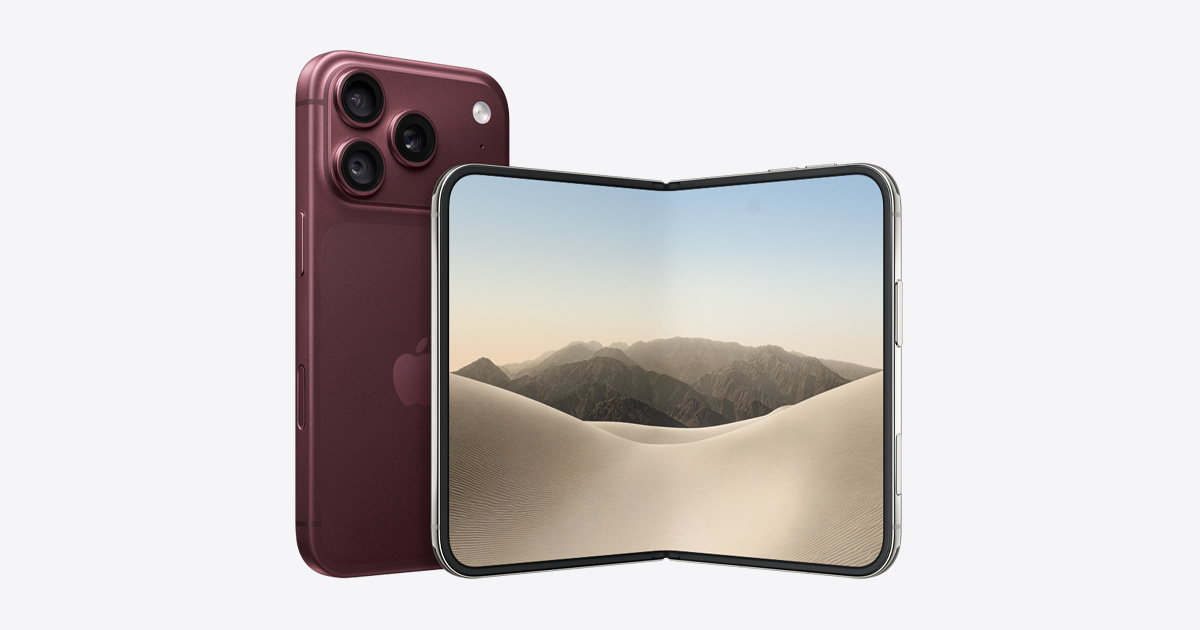
Apple's premium-heavy portfolio left it less exposed to the memory pressures hitting vendors that depend on sub-$200 devices. Shipments rose 4% year on year, supported by Malaysia and Vietnam. Buy now, pay later services, including SPayLater, also made iPhones easier to pay for. Omdia did not publish Apple unit numbers or market share for the region.
Le Xuan Chiew, research manager at Omdia, said Vietnam was the only Southeast Asian market to record growth in 3Q26, with shipments up 1%. Indonesia, the Philippines, Malaysia and Thailand each fell more than 30%. Chiew linked Vietnam's relative resilience to stronger macroeconomic performance, supported by foreign investment, manufacturing and exports tied to global AI hardware demand. HONOR also moved up in the richer markets, reaching second place in Malaysia and third in Singapore by shipments for the first time. It focuses on premium mid-range devices rather than the hard-hit sub-$200 tier, and expanded its operator channel.
For buyers, the practical takeaway is simple. Selection above $100 is still there. The memory and storage per dollar is not what it was, and vendors would rather charge more or ship less than sell at a loss.
Photo: Apple
Source: Omdia, TMC Insight, Communications Today, Omdia on X