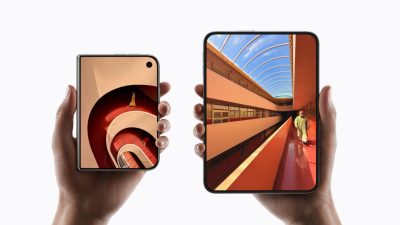
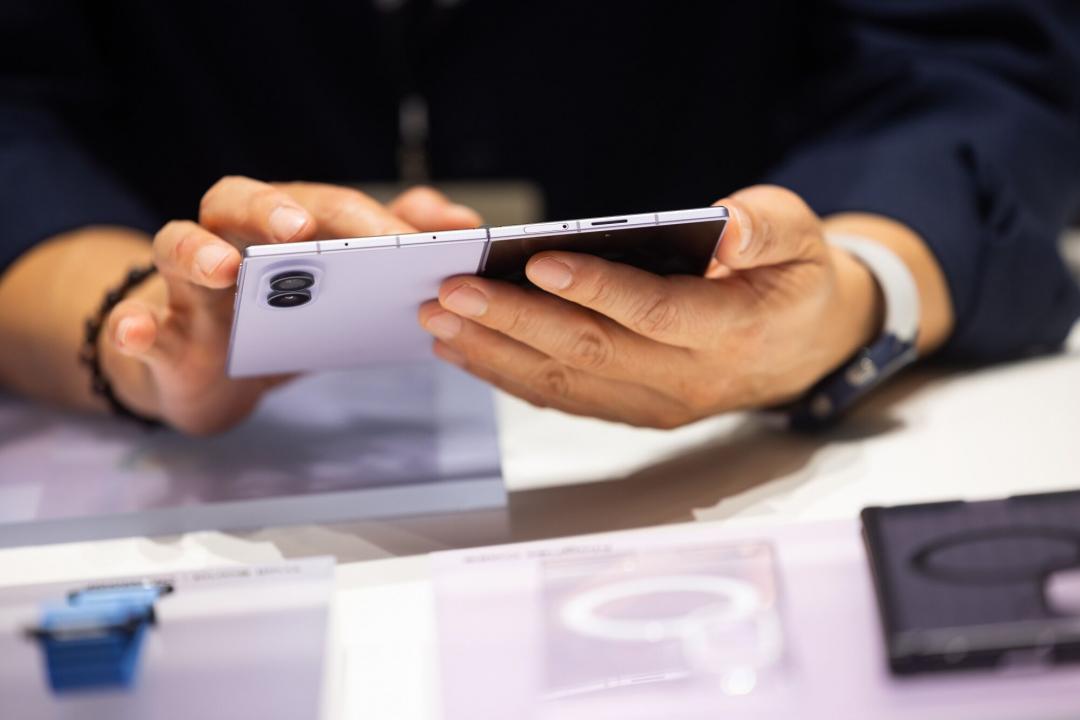
 Samsung confirmed that Z Fold8 Ultra, Z Fold8 and Flip8 all use silicon carbon battery technology. (Photo/Reuters)
At present, Chinese brand mobile phones have almost fully embraced silicon-carbon batteries. While maintaining a thin and light body, they can also pack a larger battery capacity, generally ranging from 7,000 to 8,000mAh, and even exceeding 10,000mAh. Samsung has finally launched its first mobile phones using silicon-carbon batteries.
What are the advantages of silicon carbon batteries?
Although Samsung did not specifically highlight silicon-carbon batteries as a promotional focus at the launch of its latest generation of foldable mobile phones, according to foreign media reports, Samsung confirmed in a media briefing that the newly unveiled Z Fold8 Ultra, Z Fold8 and Flip8 all use silicon-carbon batteries.
Taking Z Fold8 Ultra as an example, after unfolding, the thickness of the body is reduced from 4.2mm to 4.1mm, and the battery capacity is also increased from 4,400mAh to 5,000mAh. Silicon carbon battery technology is one of the key reasons.
Samsung: It’s not just as simple as replacing a battery
BD Yang, a senior executive of Samsung’s technical team, said that Samsung’s introduction of silicon-carbon batteries is not just about replacing traditional graphite anodes with silicon-carbon materials, but also investing a lot of research and development before the products are launched. He pointed out that Samsung has been paying close attention to the market demand for silicon-carbon batteries and is aware that many brands have taken the lead in adopting this technology. However, Samsung has stricter requirements for battery safety and quality, so this time it is not just a replacement of materials, but a re-creation of the entire battery system.
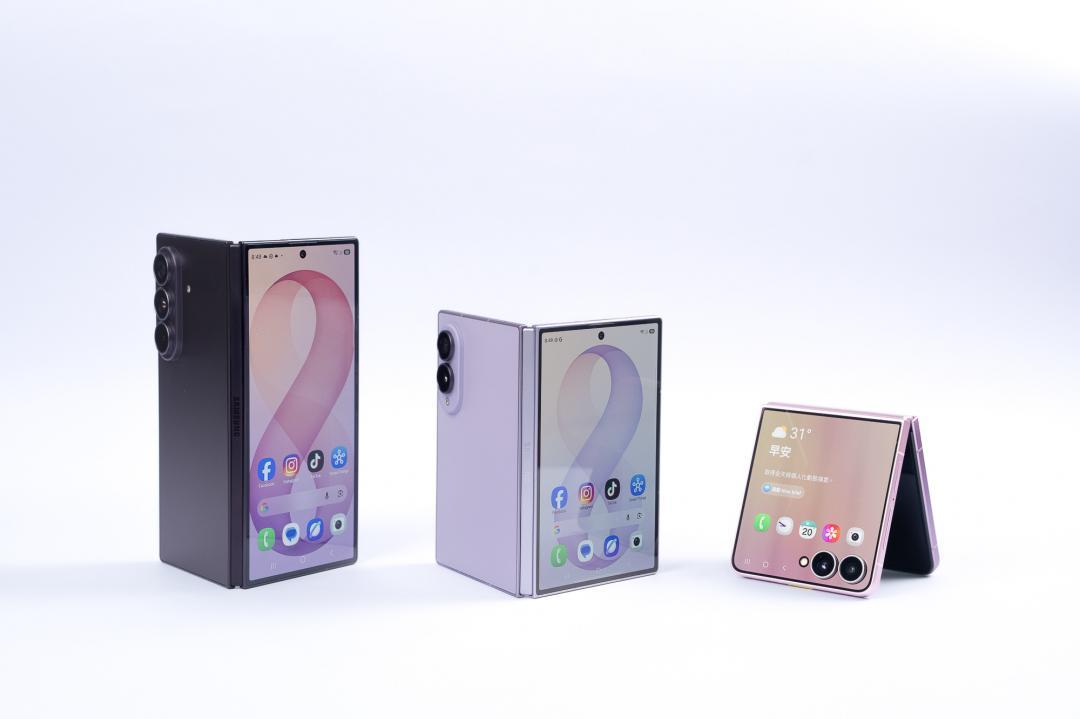 Z Fold8 Ultra, Z Fold8 and Flip8 all have slimmer bodies. One of the key factors is the silicon carbon battery. (Photo/Samsung)
He emphasized that Samsung is not just putting in a bigger battery, but redesigning the overall battery structure, including optimizing the cathode material, adding an electrolyte protective layer, improving the isolation film, etc., so that the new generation battery can take into account higher energy density while maintaining stability, safety and durability for long-term use.
It is worth noting that pure silicon-carbon batteries themselves have a high risk of expansion, so currently each brand will only add a certain proportion of silicon material to reduce the risk. As for the proportion of silicon materials used by Samsung this time, officials refused to disclose relevant details, citing commercial confidentiality.
On the other hand, after the new folding mobile phone switches to silicon-carbon batteries, whether the actual battery life performance can be significantly improved, as well as the battery health and lifespan under long-term use, still need to be verified by more actual tests.
S27 may be the highlight next year
Overall, Samsung has finally joined the silicon-carbon battery camp, but its strategy is relatively conservative. For example, the Z Fold8 Ultra has a maximum battery capacity of 5,000mAh and only supports 45W wired fast charging. There is a gap with Chinese brands. Foreign media generally expect that as silicon-carbon battery technology gradually matures, the S27 series debuting next year will be the “biggest event” and Samsung is expected to bring more breakthrough battery capacity upgrades.
“You May Also Want to See”
Samsung launches three foldable phones! The new wide version of Z Fold8 is the most eye-catching Ultra-unique 200 million pixels
No need to draw, no need to grab. Now use the APP to read the news. Guaranteed to win every day. Click me to download the APP. Click me to see the event instructions.