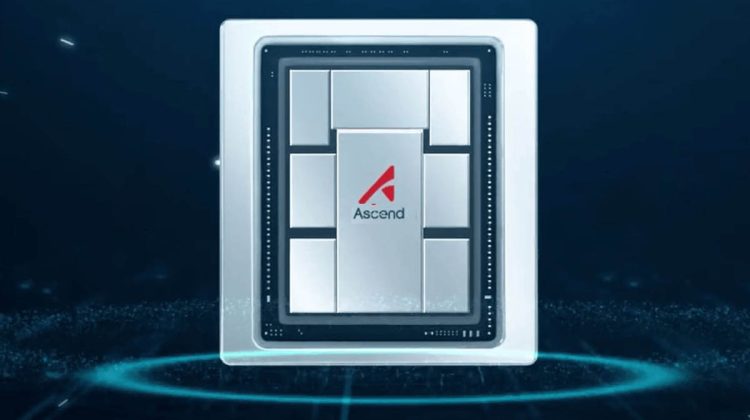
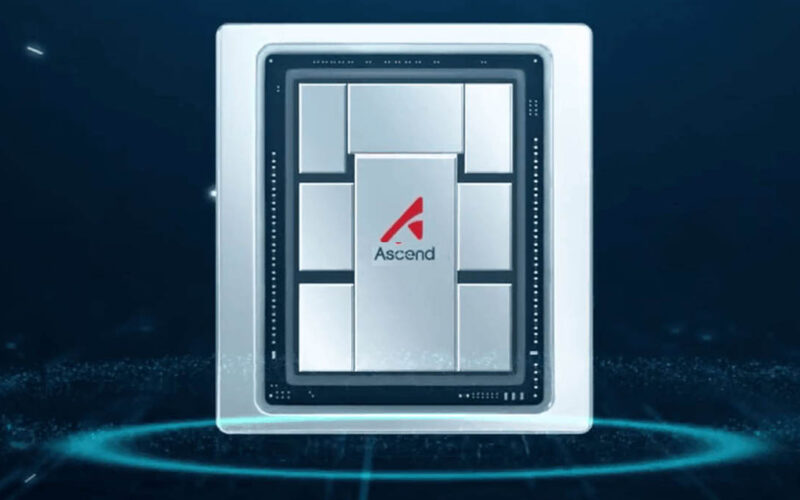
Huawei officials recently officially confirmed that the new generation Ascend 950DT artificial intelligence chip will be the first to launch in Huawei’s cloud ecosystem in August this year, and is expected to be fully put into commercial applications in the fourth quarter.
From the perspective of technical specifications and underlying architecture, Ascend 950DT has undergone specific upgrades for computing performance. Compared with the previous generation of products, the new chip has substantial improvements in vector computing capabilities and display memory bandwidth, and also adds native support for low-precision data formats such as FP8. These hardware changes help improve the overall network bandwidth efficiency, which is directly reflected in the performance of data throughput and processing speed to meet the computing needs of large language models and complex algorithms.
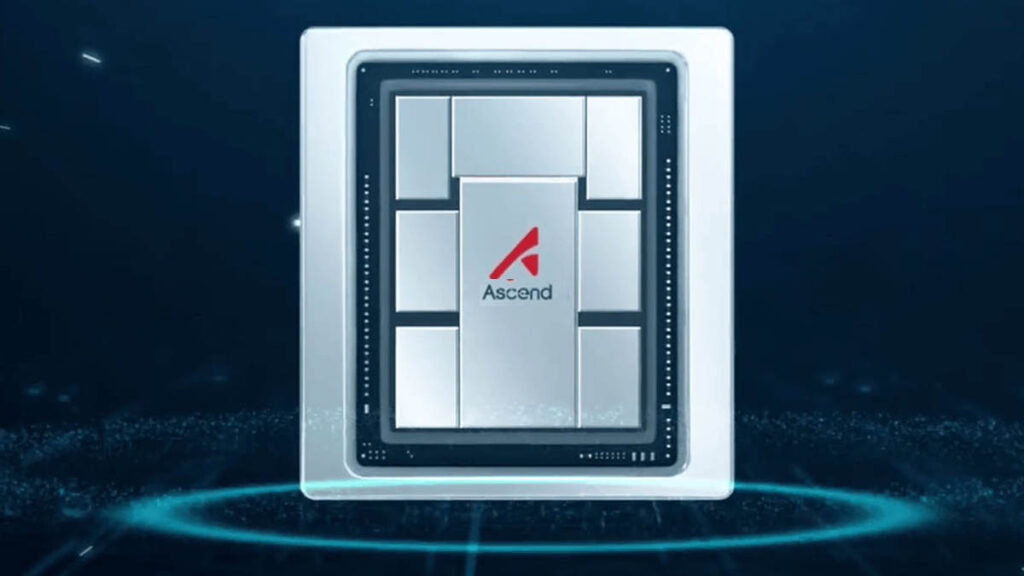
In terms of practical applications and development environments, Ascend 950DT focuses on improving programming compatibility and operation processes. Developers will have a more streamlined operating experience when fine-tuning artificial intelligence models. This feature is particularly beneficial to application scenarios such as intelligent driving that require real-time calculations and continuous optimization of large amounts of data. Looking back at the manufacturer’s launch of the Ascend 950PR chip equipped with the Atlas 350 artificial intelligence cluster in March this year, and its commitment to launch a new artificial intelligence processor every year for the next three years, the scheduled release of the Ascend 950DT reflects that Huawei is actively building a more complete underlying hardware foundation to respond to the technology market’s growing demand for high-performance artificial intelligence integration solutions.