 (Picture/photographed by reporter Huang Zhaoxiang, the same as below)
Sony’s new flagship phone Xperia 1 VIII finally officially debuts today! “Free 3C Channel” unboxed the actual machine for the first time, giving fans a first look at the new design, as well as the upgraded telephoto lens and AI photography assistant.
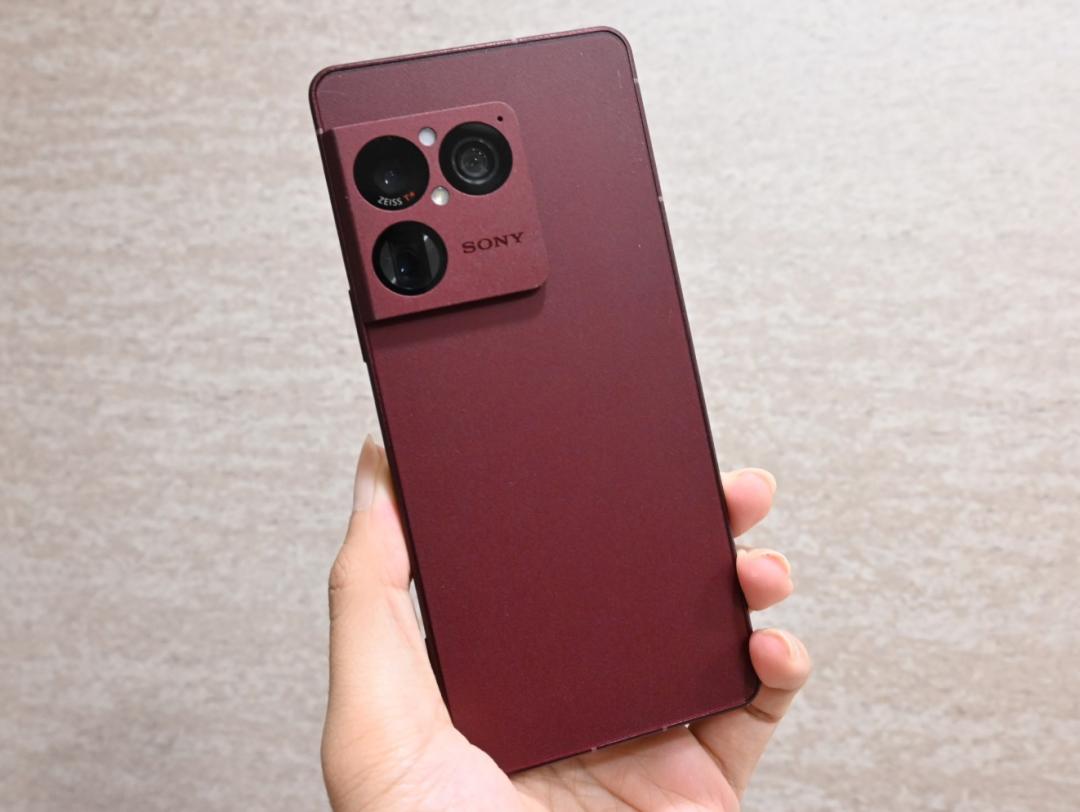
The body design of the Xperia 1 VII this time is inspired by minerals. Compared with the frosted glass of the previous generation Xperia 1 VII, which was neatly arranged, this time it is more like a wild stone, with irregular and detailed textures. The touch changes from a clear grainy texture to a “sandy” one, and the touch is very special. In particular, Sony has used the same surface treatment for the back cover, camera module and side frames, making the entire phone like a “rough stone” with a very unique style. This is a detail that cannot be shown in the previously revealed pictures. It is highly recommended that fans go to a physical store to experience it in person.
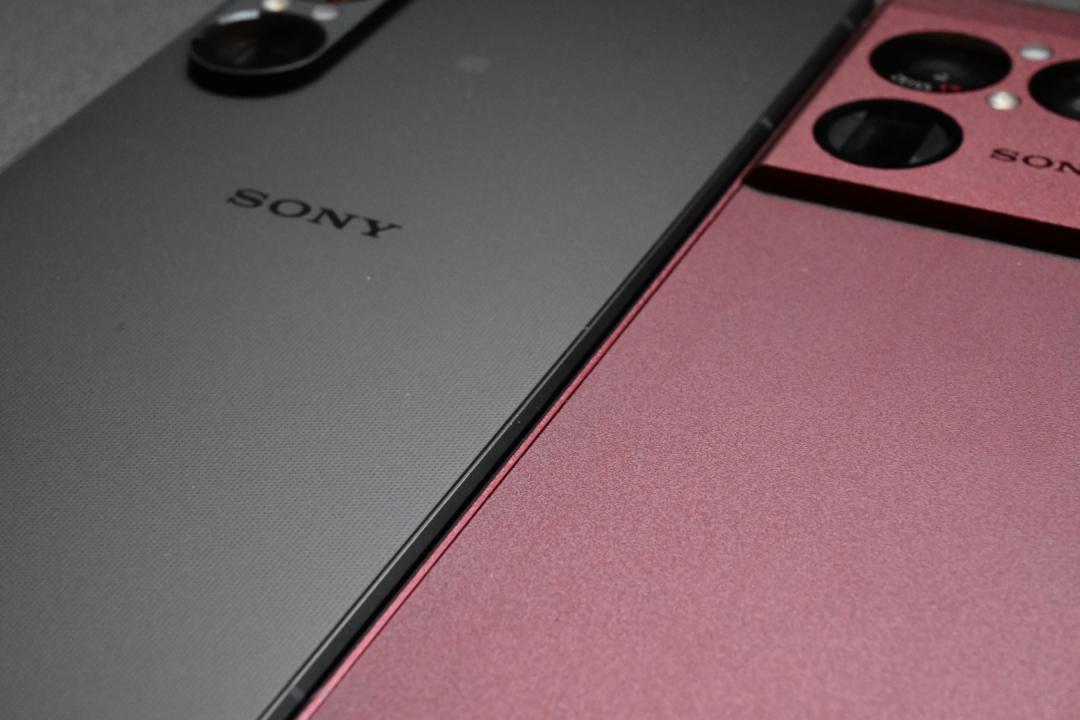 The frosted sand of the Xperia 1 VII on the left is neatly arranged and the grains are clear; the Xperia 1 VIII on the right feels like real ore and has a sandy touch.
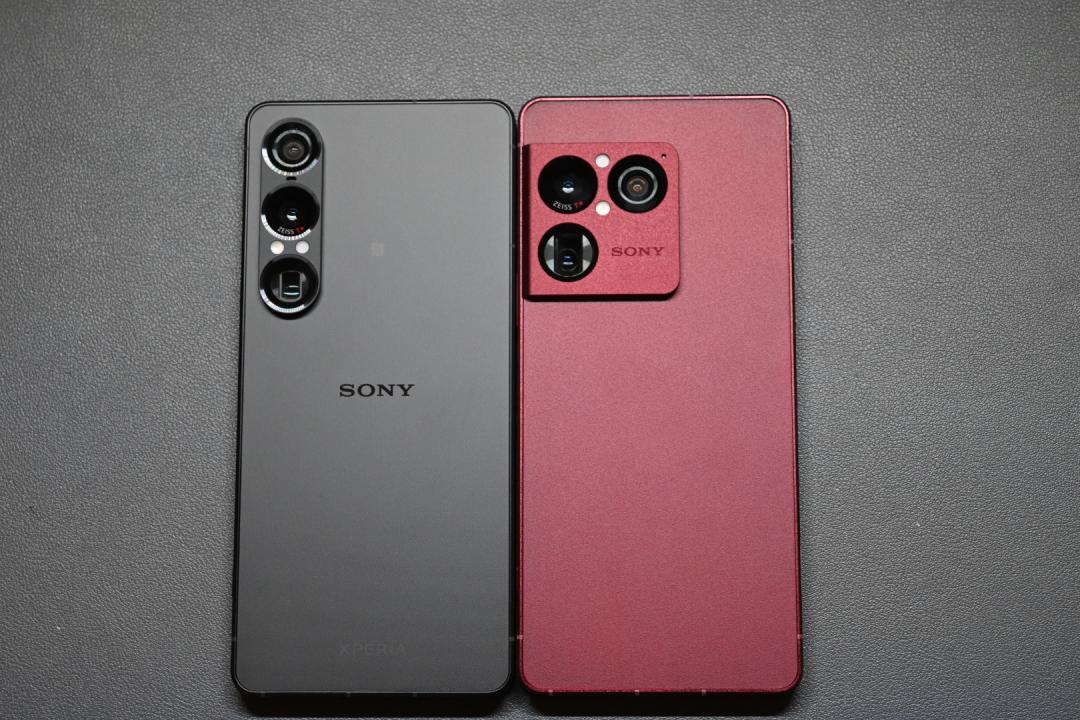 The Xperia 1 VII is on the left and the Xperia 1 VIII is on the right.
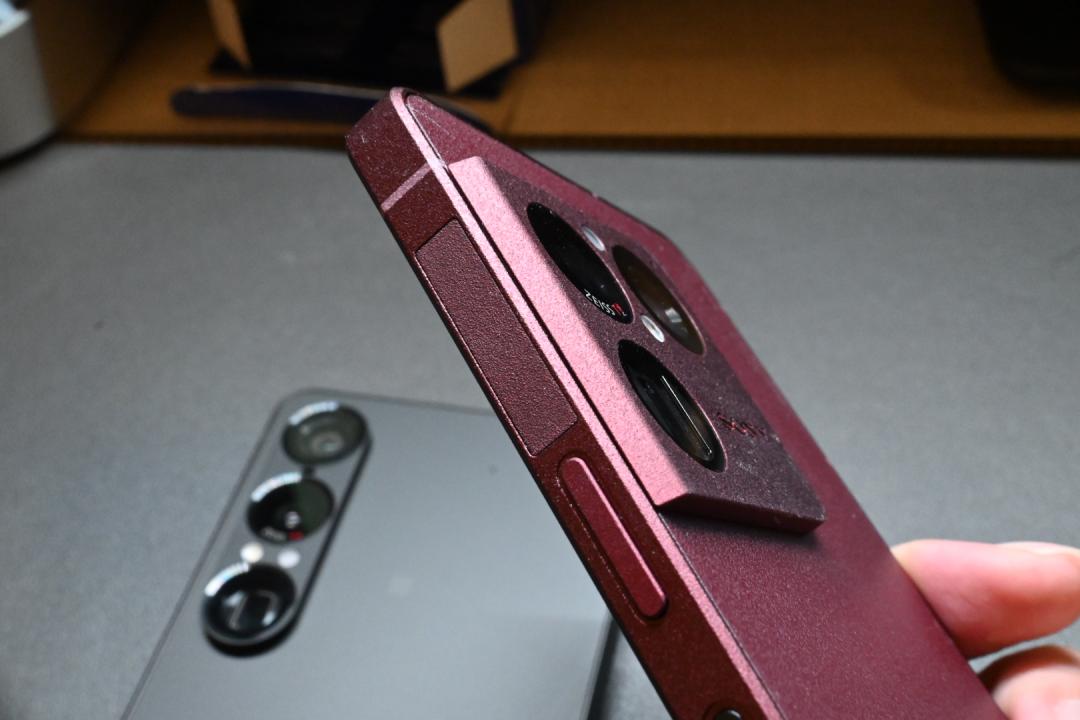 The back cover and sides of Xperia 1 VIII use the same surface treatment, and the touch and texture are consistent. The frame texture of the new material is not as cold as pure metal, and has a better anti-slip effect.
In addition to the change in material, the biggest difference is the change in the lens module. Sony has changed the vertical arrangement that has been used for seven years from the original Xperia 1 to a “top two, bottom” rectangular module, and has a beveled edge near the border on the left side to align with the edge. It is understood that this design is to meet the upgrade of camera specifications. Since the area of the photosensitive element of the telephoto lens has been increased by 4 times, the Xperia 1 VIII cannot be arranged in the previous way, so Sony redesigned the shape of the entire lens module.
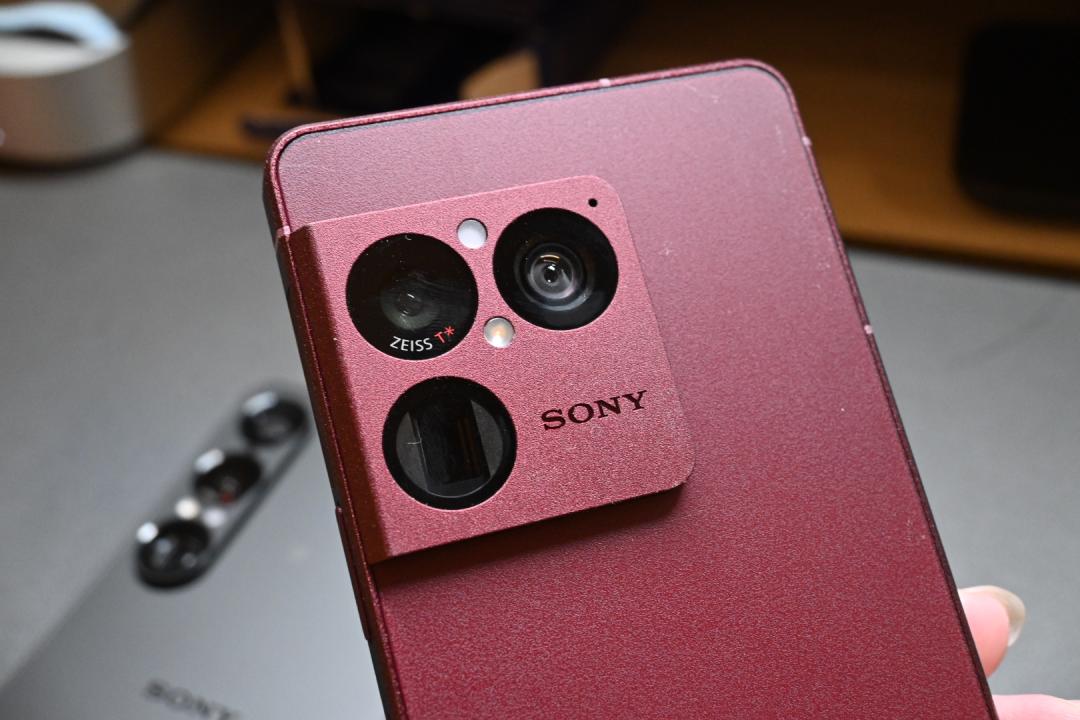 The new camera island occupies a larger area.
Since Sony has changed the screen ratio back to 19:9 in recent years, and insisted on retaining the forehead and chin of the screen, this time it has increased the size of the photosensitive element, making the Xperia 1 VIII one of the heavier models in its history, weighing 200g, and having a certain presence in the pocket.
The Xperia 1 VIII camera upgrade focuses on the “telephoto lens”. The sensor size is increased 4 times to 1/1.56 inches, and supports two lossless focal lengths of 70mm and 140mm through 48 million pixel cropping. Actual shooting tests show that the photos are more three-dimensional and sharper than the previous generation, and the details are better presented. Especially when shooting portraits, Xperia 1 VIII can create a better background blur effect, once again proving the camera law of “bigger cameras kill people”.
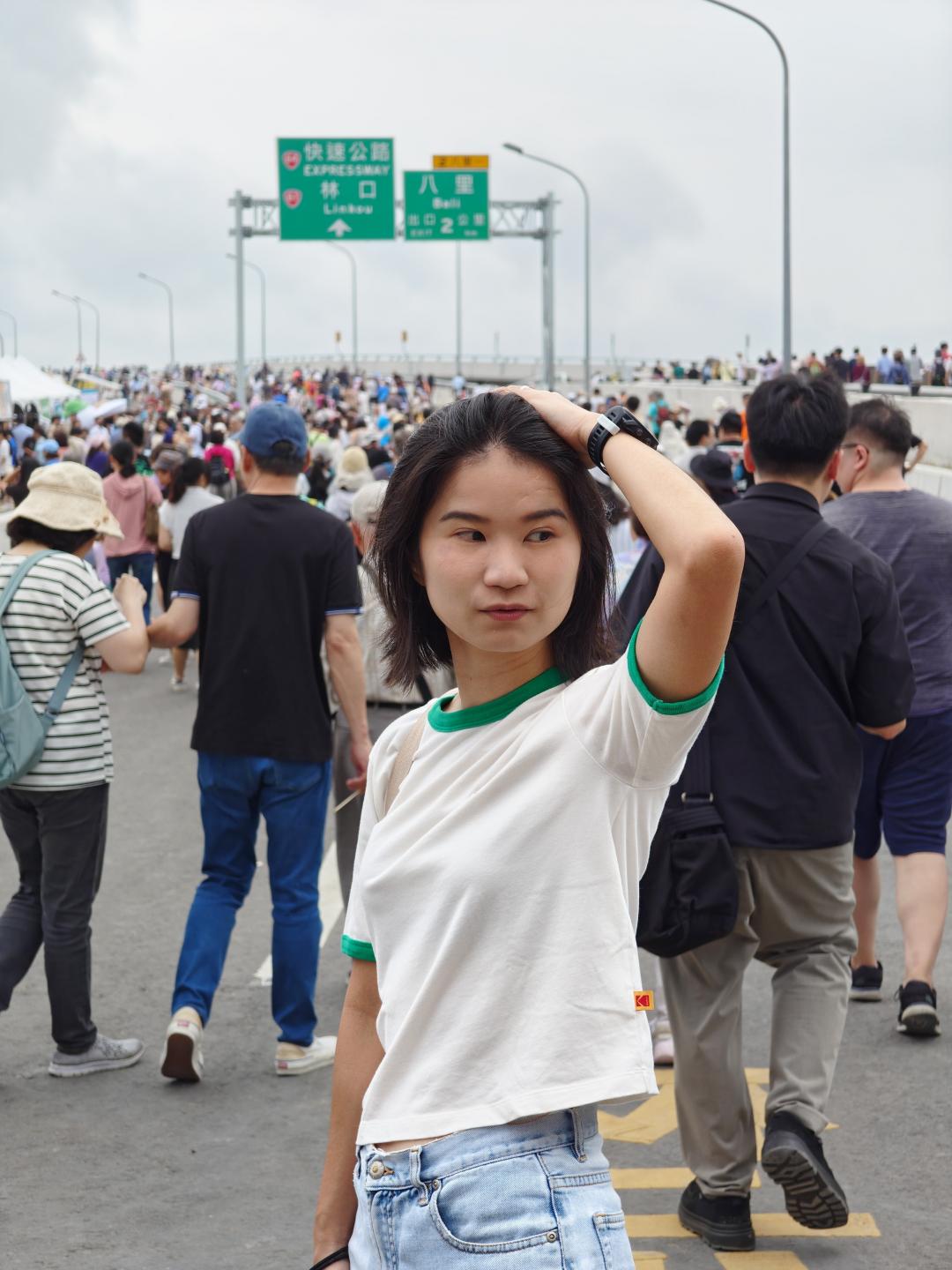 The upgraded photosensitive element also makes the shallow depth of field effect even better.
 Using a telephoto lens can easily create a sense of compression.
 The amount of light admitted by the telephoto lens is increased, and the quality of night shots is purer.
However, Sony insists on not giving too much AI interference in camera design, so the telephoto can only reach a maximum distance of 17.5 times, which is significantly different from other Android flagship phones that have reached 50 times or even 100 times. Once the noise exceeds 10 times, the noise will increase. If you want to eliminate it or enhance it through AI, you have to rely on the post-production function of Google Photos.
 Due to less AI input, after the Xperia 1 VIII exceeds 10 times, the noise in telephoto shots becomes more obvious.
Sony said that the Xperia 1 VIII has added new versions of algorithms such as “RAW overlay”, HDR and noise reduction technology. Even if the main lens and ultra-wide-angle hardware have not been upgraded, the actual color will still evolve. The reporter believes that Xperia 1 VIII has the style of a Japanese camera, the colors are not too rich, and it has a light and elegant style.
(The photos below are mixed with different creative looking filters)
 Both telephoto and ultra-wide angle have macro functions, and users can switch according to their needs.
 Sony provides animal eye focusing in the camera department, which can still accurately capture dogs even if their hair is thick.

Xperia 1 VIII introduces the “AI Photography Assistant” for the first time in this generation. When composing a picture, a small window will pop up in the lower right corner, using Sony’s own AI model to provide shooting suggestions such as focal length selection, background blur, and multiple sets of filter color references. Users can switch the mood of the photo with just one click. At the same time, AI will learn the user’s preferences. If the user prefers a specific color style, the system will give priority to that type of filter in the future.
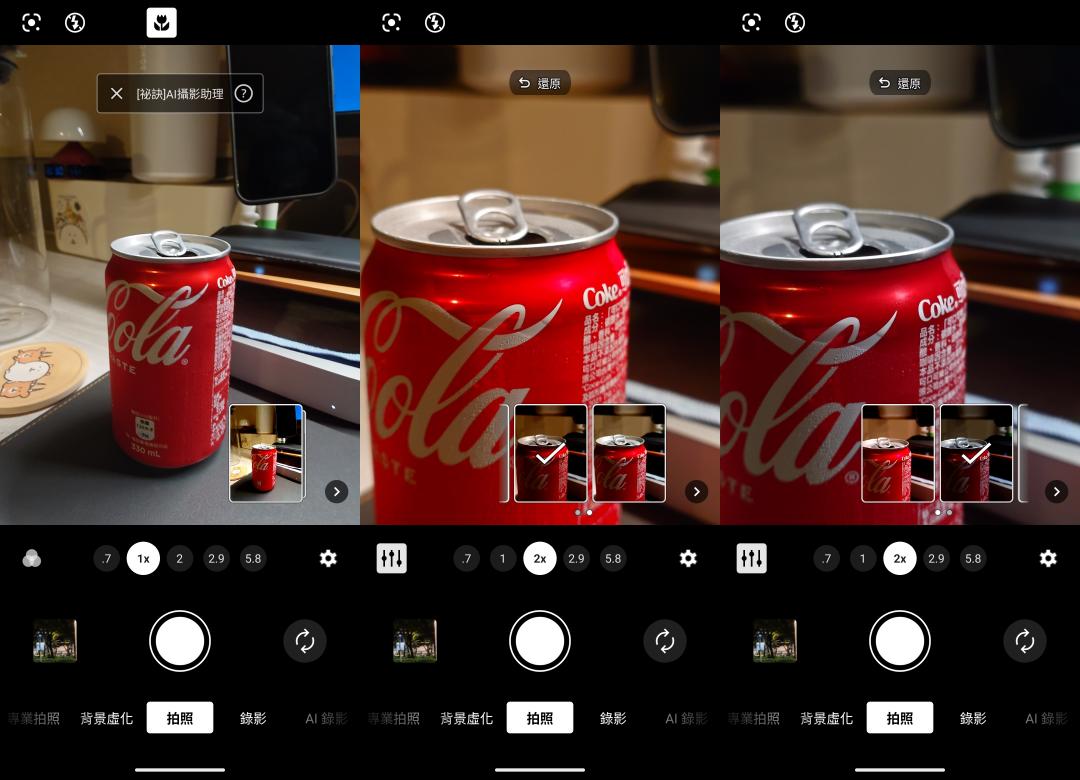 When you start to compose a picture and lock the subject (as shown in the left picture), you can see the AI Photography Assistant pop up in the lower right corner. At this time, you can intuitively select the color you like. After clicking, the AI Photography Assistant will also flash through the button. It is recommended that the user switch to 2x focal length shooting, or change the depth of field and other functions.
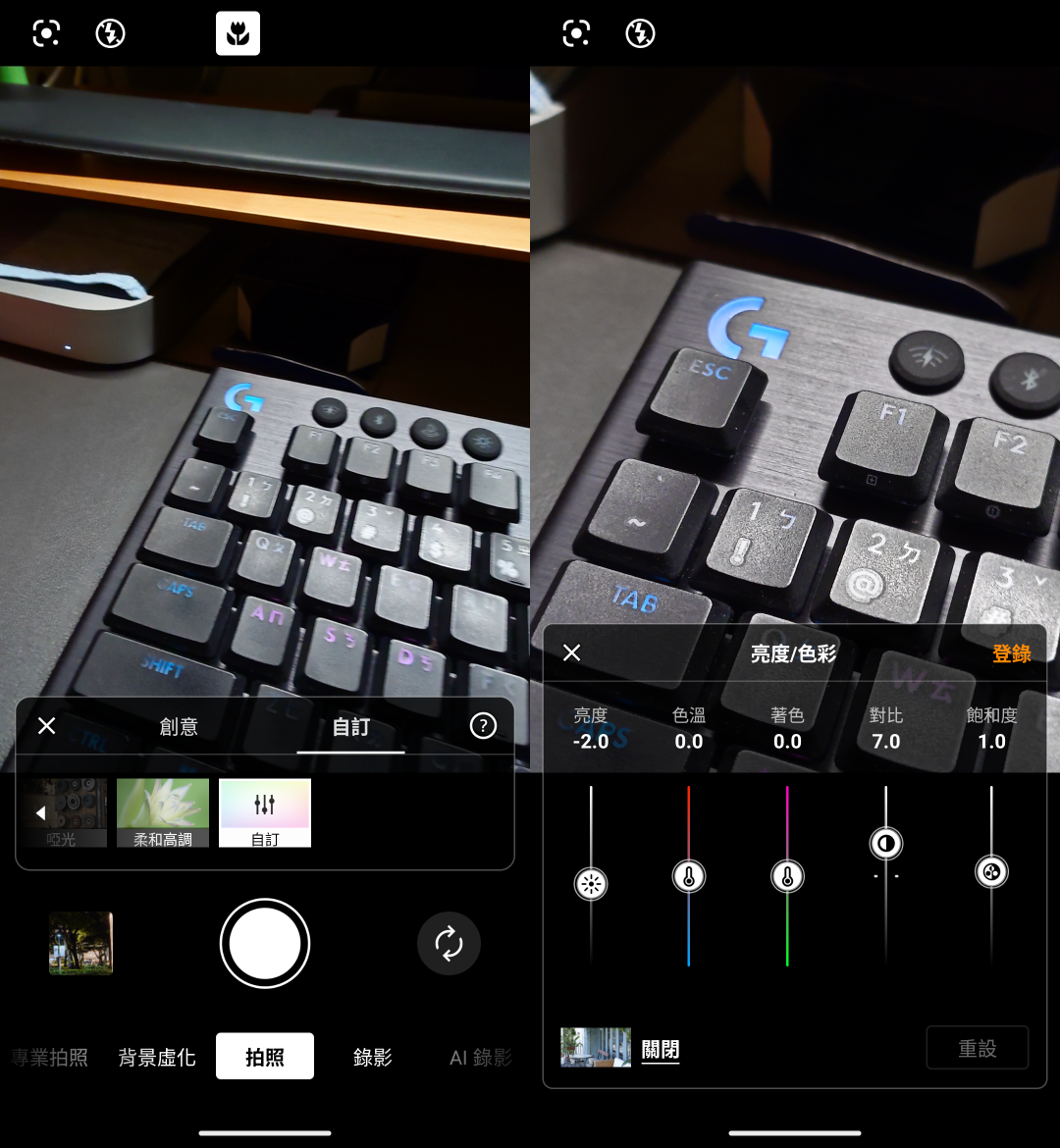 Creative looks can now be customized with brightness and color, and profiles can be “logged in” to be activated directly as defaults in the future.
From the initial experience, compared to the past when Sony was locked on professional users, the Xperia 1 mobile phones in the past two years have become closer to mass users. Especially the introduction of creative appearance and AI photography assistant, the actual experience is like a “smart filter” function, allowing the phone to give users the favorite color style.
No need to draw, no need to grab. Now use the APP to watch the news and you are guaranteed to win every day. Click me to download the APP. Click me to see the event details.