Apple has used the technology biometrics for security for several years. It started with Touch ID, a fingerprint unlocking system, and then introduced Face ID, a security system based on facial detection. Much later with the Vision Pro glasses, Apple presented its new iris recognition system, Optic ID, which guarantees the security of this new product.
Iris recognition comes from Optic ID
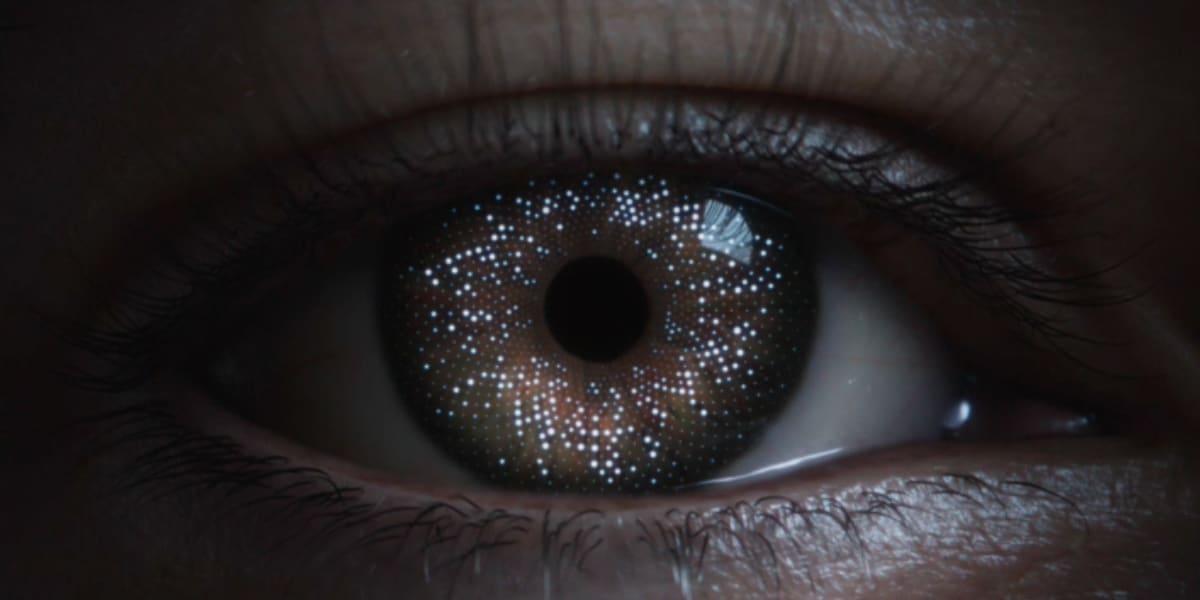
The uniqueness of each individual’s iris is key to how Optic ID works. The odds of two different people having the same iris are extremely low. In fact, the probability is 1 to the 10th power, very low. This is the basis of an iris recognition system: each iris is unique.

Inside and against the eyes of the Apple Vision Pro, there is a sophisticated eye-tracking system consisting of LEDs and infrared cameras that project light patterns into each eye. On the one hand, this will allow the optical ID to work and on the other hand to handle the visionOS interface without the need for external elements in the form of the mouse.
Apple warrants that the Vision Pro is designed to preserve user privacy and security. All information generated by Optic ID is stored on the processor inside the device in a secure enclave with the intention that only the user can access that information, not Apple or third-party developers, just like Touch ID or Face ID.
In this case, it’s still another step in the evolution of biometrics, allowing Apple to find new ways to secure our devices. In this case, Optic ID works similarly to Face ID, but only analyzes the iris, not key points of the face like this security system currently does.