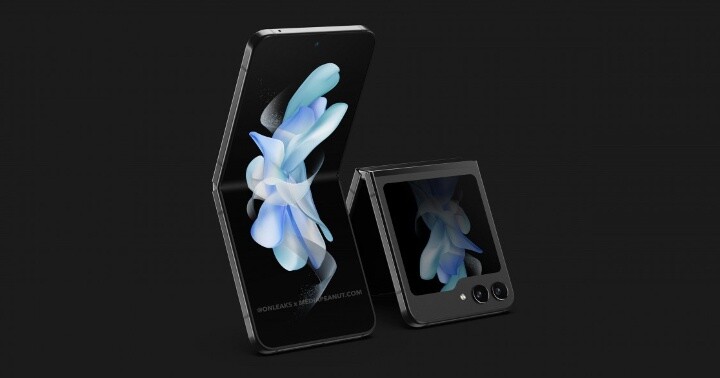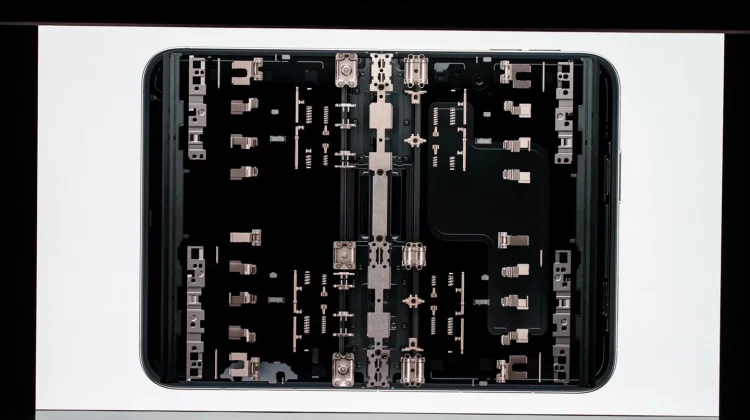
IT House reported on September 10 that at the “New Chapter, Come Dazzling” special event early this morning, Apple officially released its long-awaited first folding screen mobile phone iPhone Duo. The new machine brings a lot of surprising technologies, among which the design and manufacturing of key hinges even rely on AI and 3D printing technology.
The folding structure itself means that the phone endures twice as much wear and tear as a traditional device, so most folding phones will deteriorate significantly after a period of use and are less durable than regular smartphones.
Apple said that in order to deal with the common wear and tear problems of folding screen mobile phones, iPhone Duo has incorporated a number of innovative protection measures into the design, including hinges.
Johnny Slugi, Apple’s chief hardware officer, explained at the event: “During the production process, we will use AI algorithms to accurately match the most suitable shell for each hinge to ensure perfect alignment; then, a confocal laser will gradually scan the surface topography of each component, and then 3D print up to 25 layers of customized photopolymer microlayers to eliminate residual surface undulations.”
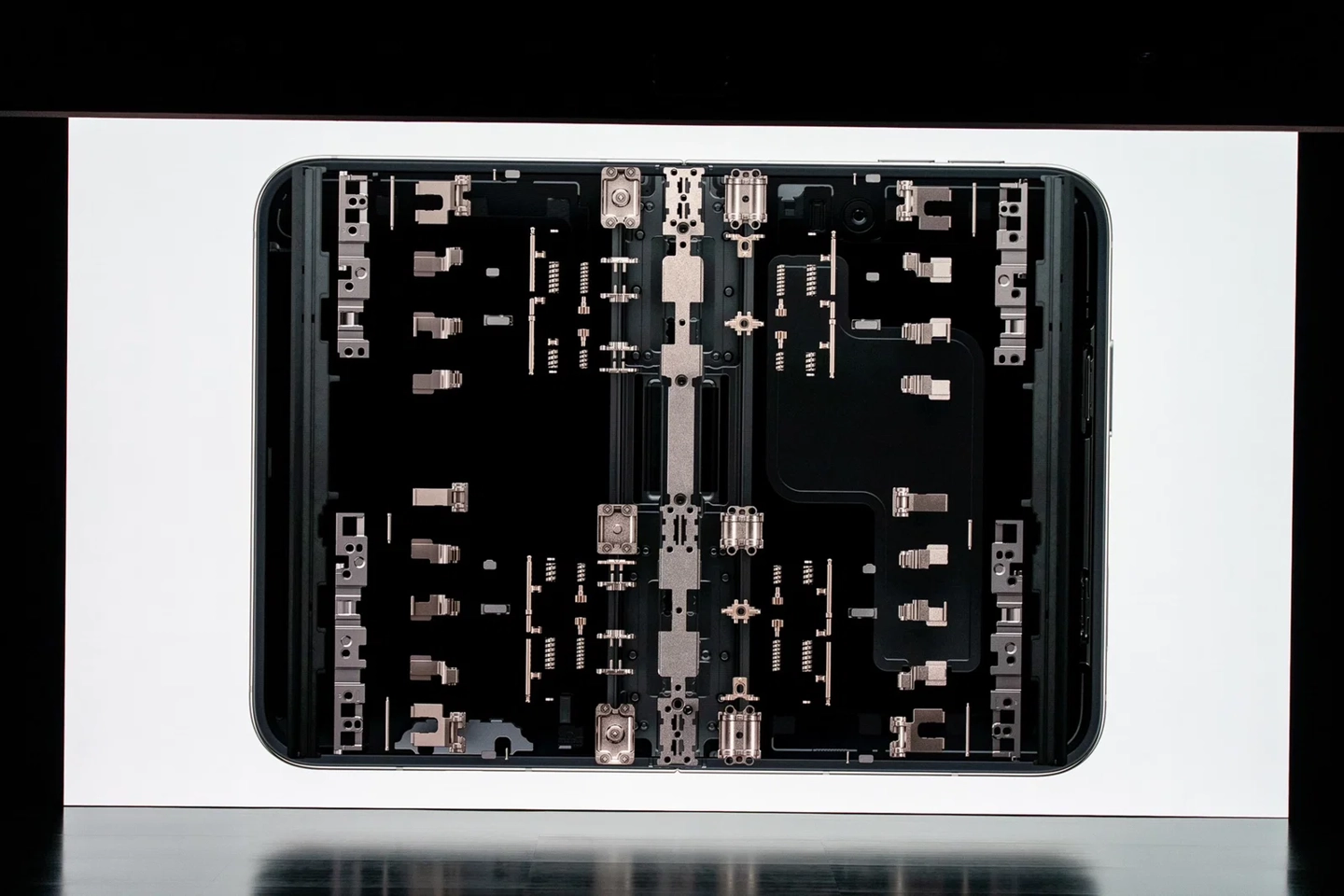
Srugi also said that iPhone Duo uses a “special nano-texture surface layer that significantly reduces glare and reflection” while using a multi-layer laminate structure to improve the durability of the body.
According to IT House, the multi-layer display structure of iPhone Duo will also slide relative to each other when opening and closing to reduce screen deformation. The hinge uses a custom variable torque design and is closed by magnets; Apple also claims that the screen is “40% more rigid” than other displays in the industry.
Screen rigidity can be understood as the ability of a material or screen assembly to resist deformation. Under the same pressure, twisting or folding force, a screen with higher rigidity usually bends less and rebounds more stably.
Related reading:
2026 Apple Autumn New Product Launch Feature