iPhone 18 Pro, iPhone 18 Pro Max and iPhone Duo will be equipped with Apple’s latest 2nm process chip A20 Pro. This is also the first time in the history of this technology leader that it has launched chips manufactured with a new generation of photolithography technology. This SoC chip contains many improvements, including a redesigned packaging, so let’s take a closer look.
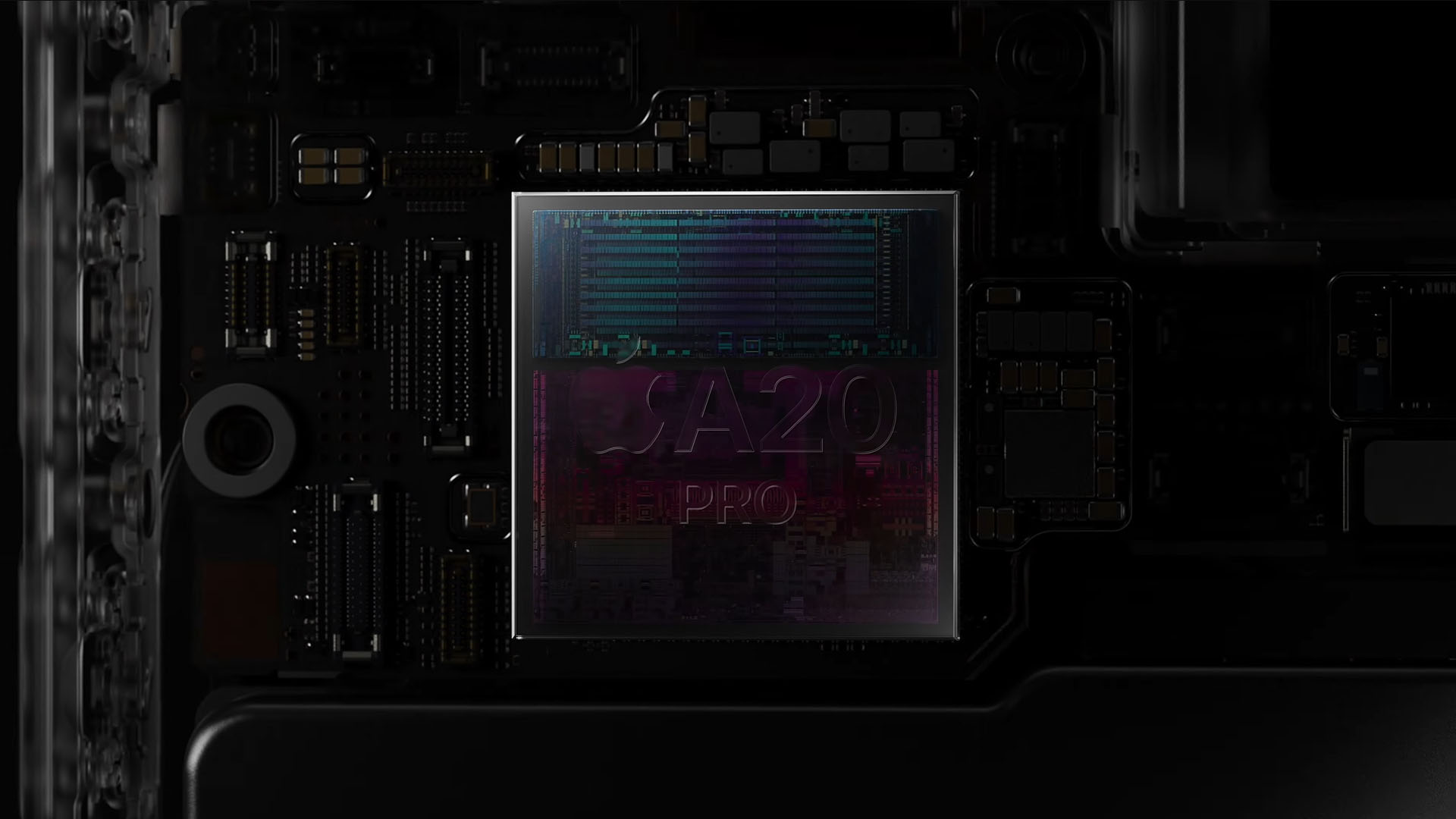
Apple claims that the A20 Pro is equipped with a desktop-level CPU, which has significantly improved performance while maintaining a 6-core configuration.
The new A20 Pro processor is equipped with two new super cores that are 20% faster than the A19 Pro’s performance cores, in addition to four energy-efficiency cores. All six cores are equipped with independent neural network accelerators, and Apple claims that the iPhone 18 Pro’s CPU is the fastest in smartphone history. In terms of GPU, it adopts a seven-core configuration, and the graphics processing speed is increased by up to 40%. The performance of the latest generation of neural network accelerators has doubled, and Apple no longer only equips one neural network engine, but adds two more, for a total of 32 cores working together to improve AI performance. Apple said that through improvements in the CPU, GPU and two neural network engine units, the memory bandwidth of the A20 Pro has been increased by 50%.
In order to achieve the above improvements, Apple must redesign the physical packaging of the A20 Pro. The old InFO_PoP package has been phased out and replaced by a new technology called WMCM (Wafer Level Multi-die Module). For those who don’t know, the DRAM dies are no longer stacked on top of the A20 Pro like before, but are instead packaged on the sides. This gives the SoC more room to dissipate heat, thereby improving sustained performance without causing the DRAM chip to overheat. As usual, Apple did not reveal more specifications of the A20 Pro at the official launch.
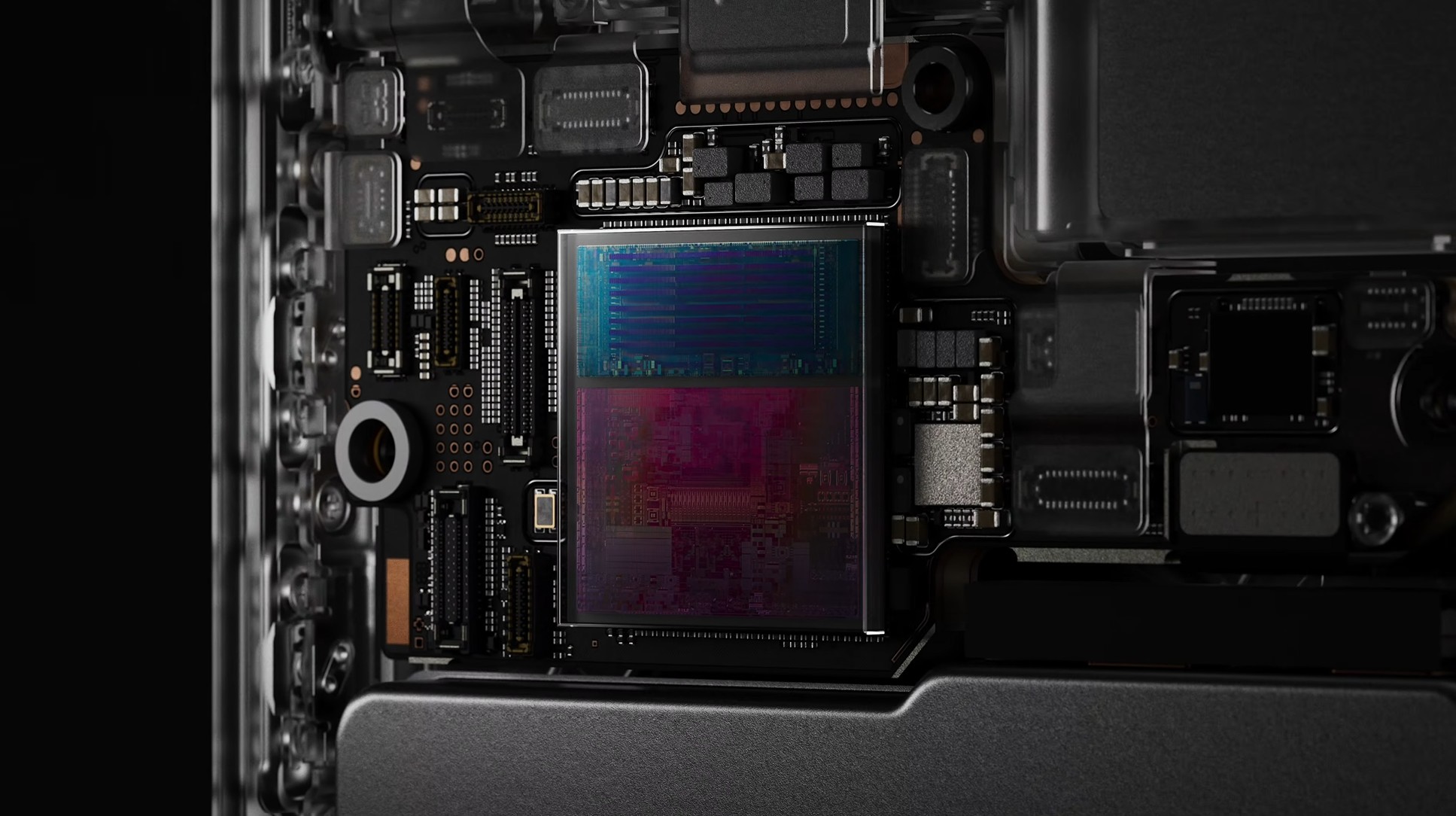
Luckily, we stumbled upon some rumored details that might be of interest to you, such asThe A20 Pro’s Super Core runs at 4.90GHz the unified memory bandwidth is higher than Apple’s M3.