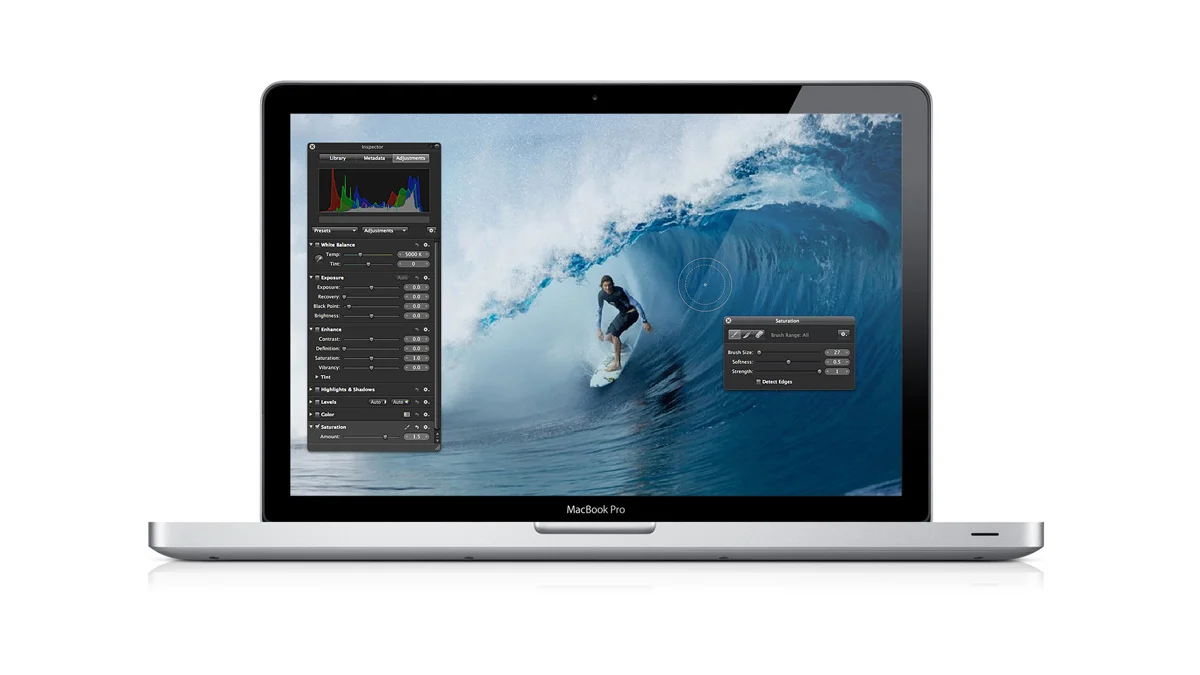
Foreign media AppleInsider reported that Apple has added three MacBook models equipped with Intel chips to the list of obsolete products. The target is MacBook Pro and MacBook Air released in 2017 and 2018.
You will no longer be able to receive repairs at an Apple Store or an Apple Authorized Service Provider. This model was also sold in Japan, so if you are still using it, it is time to consider using an unofficial repair shop or buying a new one.
Target is 3 models from 2017 and 2018
This time, official hardware support has ended for the following three models:
- MacBook Pro (13-inch, 2017, 2 Thunderbolt 3 ports)
- MacBook Air (Retina, 2018)
- MacBook Pro (13-inch, 2018, 4 Thunderbolt 3 ports)
In terms of software, these are already unable to take advantage of the latest macOS. The 2017 MacBook Pro is finally compatible with macOS Ventura (2022), and the 2018 MacBook Air is finally compatible with macOS Sonoma. The 2018 MacBook Pro supports up to macOS Sequoia, which is one generation before the current macOS Tahoe.
Official repairs will end 7 years after sales end
Apple classifies products that are more than 5 years old but less than 7 years old as “vintage,” and products that are more than 7 years old as “obsolete.” During Vintage, repair service is available while replacement parts are in stock.
On the other hand, when a vehicle becomes obsolete, all parts provision and official repair services cease. These three models have reached this stage, so repairing them at Apple is no longer an option. The trend of gradually ending official support for Intel Macs is expected to continue.
iPhone Mania announced that in September 2025, 11-inch MacBook Air (Early 2015) and other products were added to the Obsolete range. At that time, the 13-inch MacBook Pro (2017, 4 Thunderbolt 3 ports) was also targeted, and you can see that Intel Macs are gradually joining the list every year.
If you want to continue using it in Japan, you can rely on unofficial repair shops.
If you continue to use the affected model in Japan, you will have to rely on non-Apple repair shops (third parties) for future repairs. In some cases, non-official stores can also perform repairs that are in high demand, such as battery replacement.
However, AppleInsider points out that it is questionable whether it is worth the expense to repair these models in 2026, which are eight to nine years old. If the repair cost is tens of thousands of yen, it may be more reasonable to use that amount to fund a replacement.
When replacing your purchase, Trade In is also an option.
If you choose to replace your device, Apple’s trade-in program “Apple Trade In” is an option. If you have a trade-in value, you can use it toward the purchase price of a new Mac, and even if your Mac is too old to have a trade-in value, you can recycle it for free.
The end of the world is approaching in terms of software as well. iPhone Mania reported in June 2025 that support for Intel-powered Macs is expected to end completely with the next macOS 27. The premise of continuing to use Intel Macs is crumbling due to both repairs and operating systems.
If your Mac falls under any of the three models mentioned above, it’s a good idea to compare the costs of repair and replacement and decide on your next move as soon as possible.
Source: AppleInsider
Source: iPhone Mania