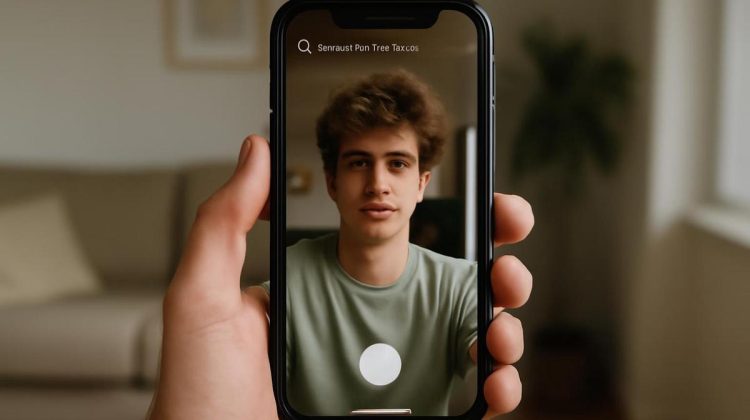
Today, our phones are almost an extension of our bodies and, more importantly, a pocket camera in which we can store thousands of memories. The problem is, photo albums tend to be… The device’s most private space because we store everything from family photos to screenshots containing sensitive data, like receipts or credit card information.
Many people grant permissions to apps without carefully reading the permission description in order to make the app run faster, but this can be a huge mistake. Granting full access effectively allows certain tools to be used at will. Download and analyze your images These apps store photos on their own servers, leaking metadata and revealing hidden private information. Let’s take a look at which apps can access photos on your iPhone.
How to manage photo access

If you want to organize your photos and know exactly who is viewing your photo album, Apple offers a very simple system-level solution. First, you need to access the menu… Go to Settings and select Privacy & Security. Once there, finding the option called Photos iPhone will display a complete list of all apps that have requested access to your library.
As you go into each application, you’ll find that not everything is black and white; you can modify different access levels based on how much you trust the application:
- Full Access: The app can view and manage all your photos.
- Restricted access: You can choose exactly which images the application can and cannot see.
- Ningguno: You blocked access completely, preventing the app from accessing your gallery.
If you want to protect your privacy as much as possible, it’s best to choose the following options: No access in some apps that don’t strictly require it to run.
Advanced controls and privacy tools

In addition to manual management, iPhone has an ace in the hole called… App Privacy Report If you’re not sure when an app has accessed your camera, microphone, or location information, you can view this report by following the path below. Settings > Privacy & Security This log is critical for detecting suspicious behavior from apps that access your data in the background.
It’s important to note that by default, you will be notified with an explicit request the first time an app wants to use information from another source. For example, a messaging app will ask you. Access your contacts to help you make friends. Even if you accept right away, remember… You can always change your mind. You can turn the switch on or off as needed by browsing privacy categories, such as Calendar or Sports & Fitness.

Controlling access and regularly reviewing privacy reports can prevent your personal data from ending up on third-party servers, ensuring that only tools you fully trust can access it. Access your multimedia content along with private metadata.