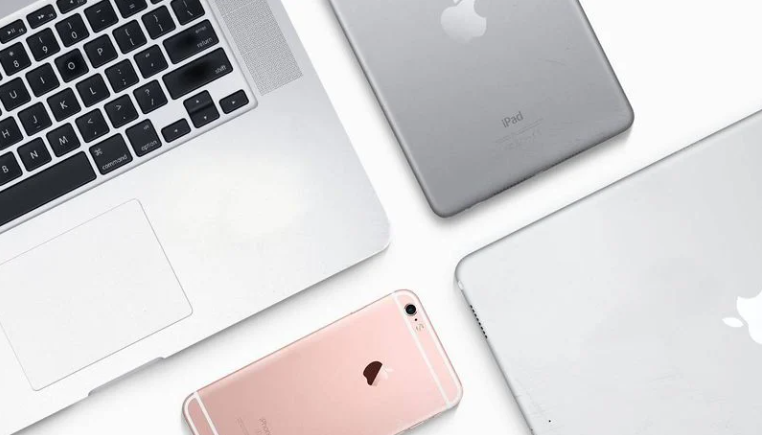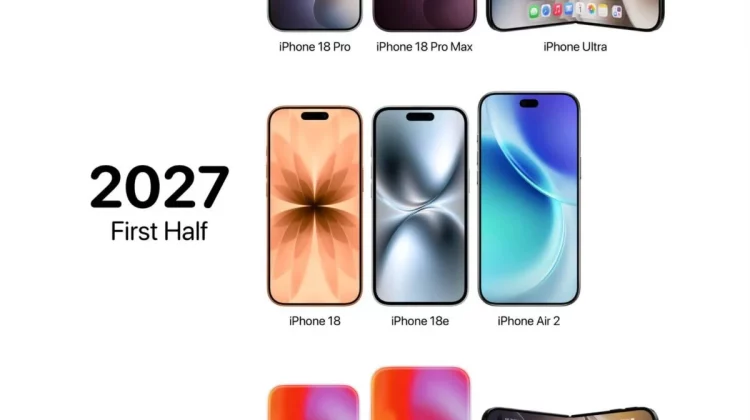
It seems unlikely that iPhone batteries will become user-replaceable after 2027, including the iPhone 18 series, which is expected to be released after this fall.
On Reddit and other sites, there were expectations that iPhone batteries would be structured so that users could easily replace them in order to comply with European Union (EU) regulations.
However, at this time, there is no prospect that the iPhone 18 series will have a replaceable battery like the Nintendo Switch 2, which is scheduled to be released in the EU.
Nintendo Switch 2 is scheduled to be interchangeable
In order to comply with EU regulations regarding products with built-in batteries that will be enforced in early 2027, Nintendo has announced that it will be releasing a compatible version of Nintendo Switch 2 that will allow users to replace the battery.
Therefore, it is speculated that the code “OSM” included in the Nintendo Account portal site, which seems to indicate unreleased hardware, may not be referring to the Nintendo Switch 2 equipped with an organic EL (OLED) display, but to the battery-replaceable version.
Does the iPhone meet the exemption conditions?
While Nintendo will allow users to replace the battery with the Nintendo Switch 2, it seems unlikely that the iPhone will have the same structure.
The reason for this is that smartphones and other devices will be exempted from the regulation if they meet the following conditions:
Capacity maintained after 500 charges
The built-in battery must retain at least 83% of its rated capacity after 500 full charges.
Capacity maintained after 1,000 charges
The built-in battery must retain at least 80% of its rated capacity after 1,000 full charges.
Protection performance over IP67
Products with built-in batteries must be waterproof and dustproof with IP67 rating or higher.
Since the iPhone satisfies these exemption conditions, the EU’s battery-related regulations explain that there is no obligation to create a structure that allows users to easily replace the battery.
Regulations differ from game consoles
These three items are conditions related to mobile phones, smartphones, and tablets. Since the regulatory provisions that apply to game consoles are different in content, it seems that Nintendo needed to take a different approach with Nintendo Switch 2.
Furthermore, it has been pointed out that even if the same conditions were applied, Nintendo Switch 2 would not be able to meet the exemption conditions for smartphones because it does not have waterproof and dustproof performance of IP67 rating or higher.
Due to this difference, the Nintendo Switch 2 will support user-replaceable batteries, while the iPhone will be able to maintain its traditional built-in battery structure.
The iPhone battery fixing method is being improved.
Currently, it is difficult to expect that iPhones to be released in the future will have a structure where users can easily remove the back panel, remove the battery, insert a new battery, and close the back panel to complete replacement.
Meanwhile, Apple is gradually changing the method of fixing the iPhone’s built-in battery. Previously, batteries were secured with tape-like adhesive strips.
Currently, electrical release adhesive is used to secure the battery, and the structure has been changed to reduce the adhesive strength by passing a small amount of electric current, making it easier to remove the battery.
Expecting lower replacement costs rather than making battery replacement easier
Even if it were possible for users to easily replace iPhone batteries themselves, there is a risk of malfunction unless they are replaced correctly using the genuine battery and designated tools based on the “Self-Service Repair Program.”
Additionally, if the device is designed to be easily replaceable, it is expected that inexpensive third-party batteries will be sold, which could lead to device failure and the risk of fire.
Therefore, even if users will not be able to replace iPhone batteries themselves as they are now, lowering battery replacement costs will be beneficial for users.
Photo: Apple Hub/Facebook
Source: iPhone Mania