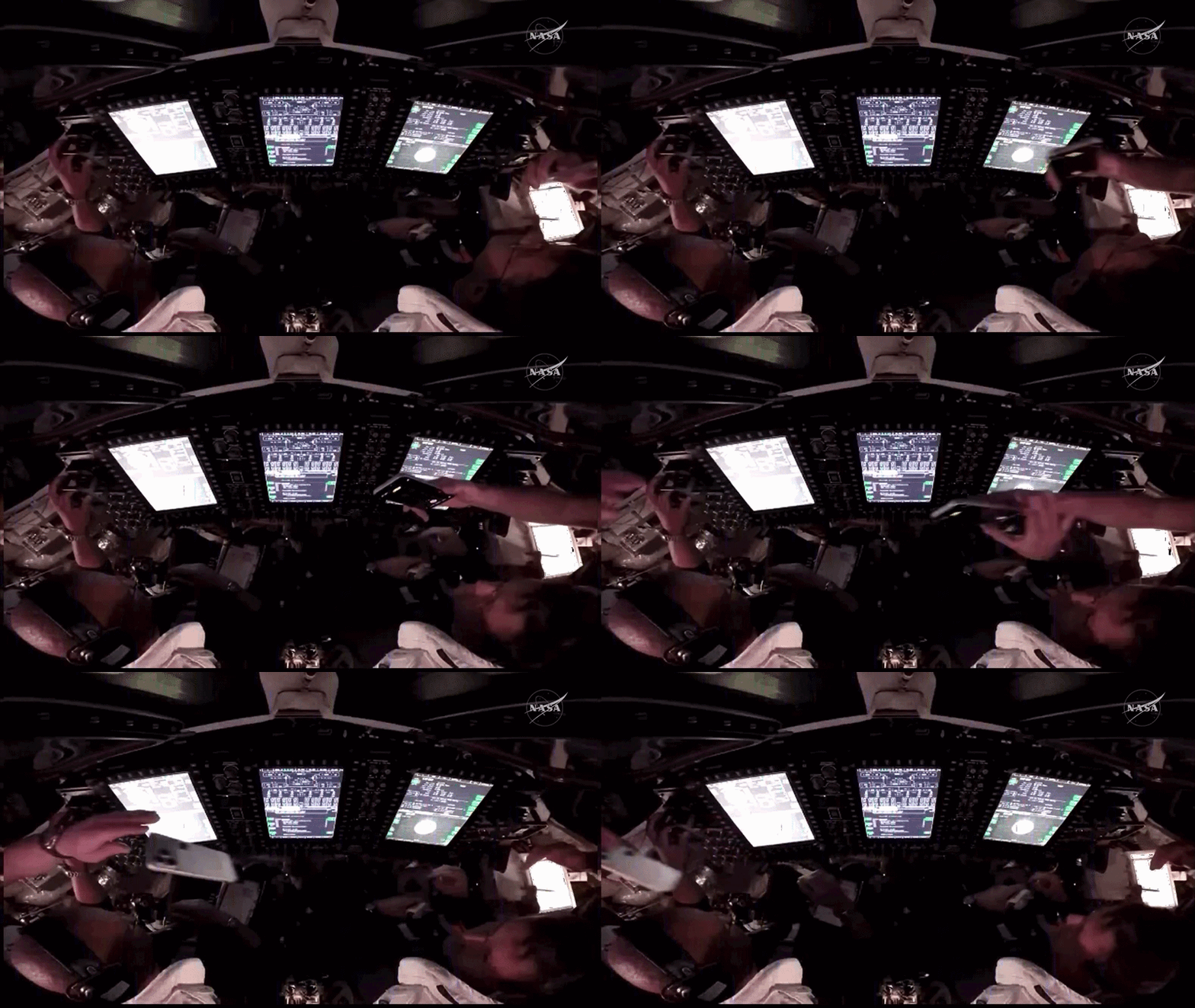
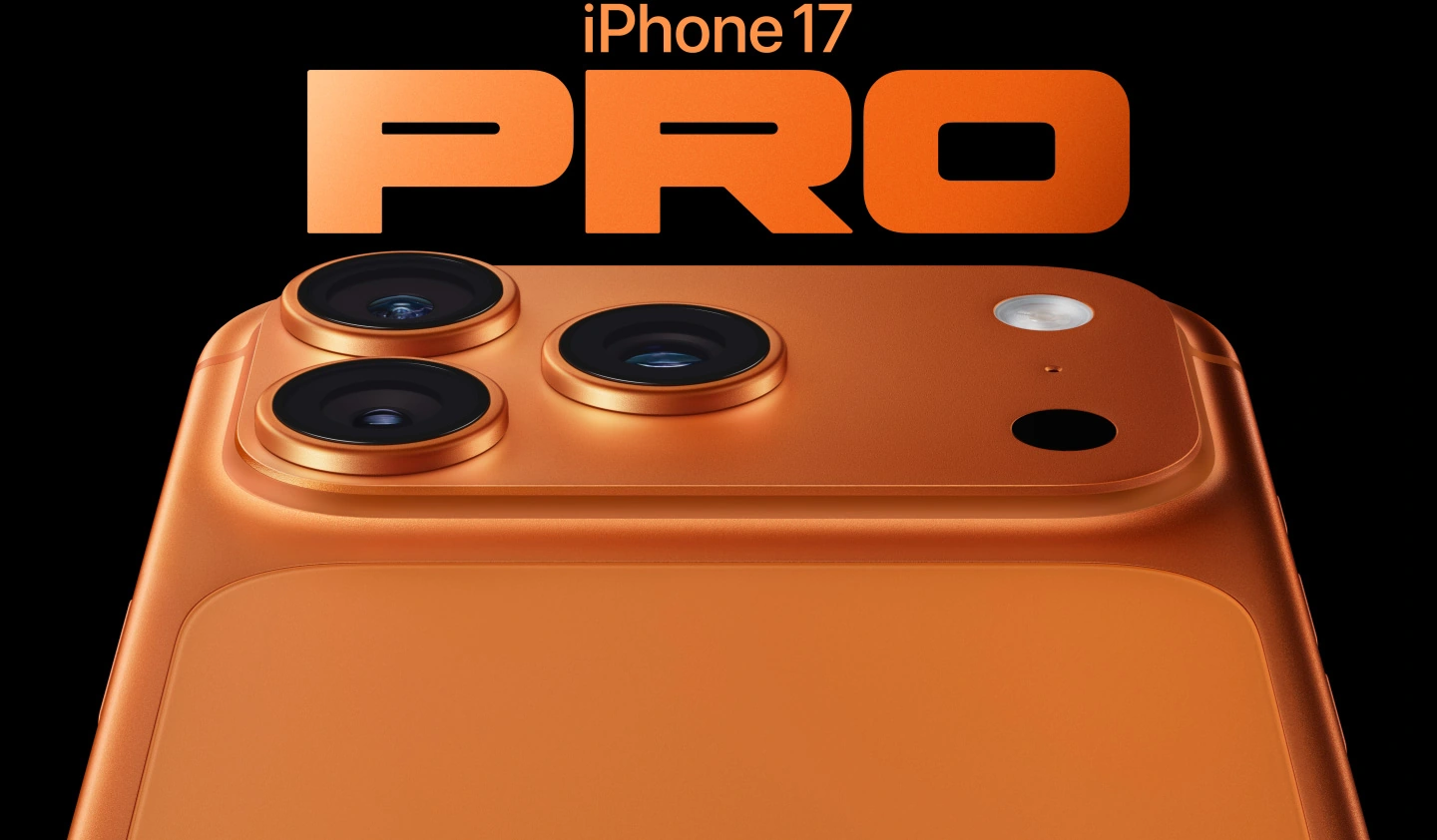
IT House reported on April 4 that in the live broadcast of the early launch of Artemis 2, sharp-eyed netizens will notice an iPhone 17 Pro Max floating across the screen. Related topics have sparked heated discussions on platforms such as X. This may be Apple’s most successful ad in recent times.
So, how did this phone get NASA approval? According to a report by The New York Times yesterday, the iPhone 17 Pro Max went through a series of rigorous tests in order to be allowed to enter the spacecraft cockpit.
NASA has extremely strict rules about what astronauts carry into space. On the Artemis 2 mission around the moon, the agency allowed crew members to use iPhones in space for the first time.
Tobias Niedwiese, an assistant research professor at the BioServe Institute for Space Technology at the University of Colorado Boulder, explained that the process is “quite complex and time-consuming.” The institute underwent similar testing in preparation for sending its payload on the Artemis 1 mission.
The entire approval is divided into four stages: the first stage is to conduct a preliminary inspection of the hardware through the review of the safety review team; the second stage is to check for potential hazards, such as moving parts or fragile materials such as glass; the third stage is to develop plans as much as possible to avoid the problems found in the second stage; the fourth stage is to verify that these plans are indeed effective.
IT House inquiries found that news about iPhone testing for space purposes first appeared in February 2025. This is an unusual change for NASA because the agency has previously had an extremely slow hardware testing process. For example, the latest model camera used on the Artemis 2 mission was a 2016 Nikon DSLR and several decade-old GoPro action cameras.
Niedwiese said that this routine process protects the safety of astronauts and spacecraft in many aspects. On the ground, broken glass would typically fall to the ground under gravity, with the user’s shoes providing protection; but in space, shards of glass would float dangerously mid-air. In this case, glass shards could scratch the astronaut’s face, or hit the equipment and cause more trouble.
In addition to the possible risks of equipment damage in a weightless environment, electronic equipment entering space also faces issues such as radiation exposure. Because some systems are critical to the survival of astronauts, NASA must repeatedly check to make sure it doesn’t malfunction in space.
Apple responded to the New York Times that the company was not involved in NASA’s approval process, but this is the first time an iPhone has been certified for orbital flight and long-term use beyond the Earth. Apple does conduct extensive durability testing of its devices, revealing some extreme testing procedures in July 2025. However, while the iPhone has been tested against drops, extreme temperatures, and even high-intensity lighting, it doesn’t appear that Apple tested it in any gravity-free environment.
It is also worth mentioning that the iPhone approved to enter space this time is not used for critical missions. Astronauts mainly use these mobile phones to record mission experiences and capture important content. These iPhones cannot be used in other conventional ways, let alone connected to the Internet or Bluetooth.
Before the iPhone 17 Pro Max was approved, its predecessors had also been in space, but mainly on private space missions, such as the 2021 “Inspiration 4” mission, when astronauts used iPhones to photograph the Earth, and the last space shuttle mission in 2011 also carried two iPhone 4s for experiments.
Advertising statement: The external jump links (including but not limited to hyperlinks, QR codes, passwords, etc.) contained in the article are used to convey more information and save selection time. The results are for reference only. All IT House articles include this statement.