
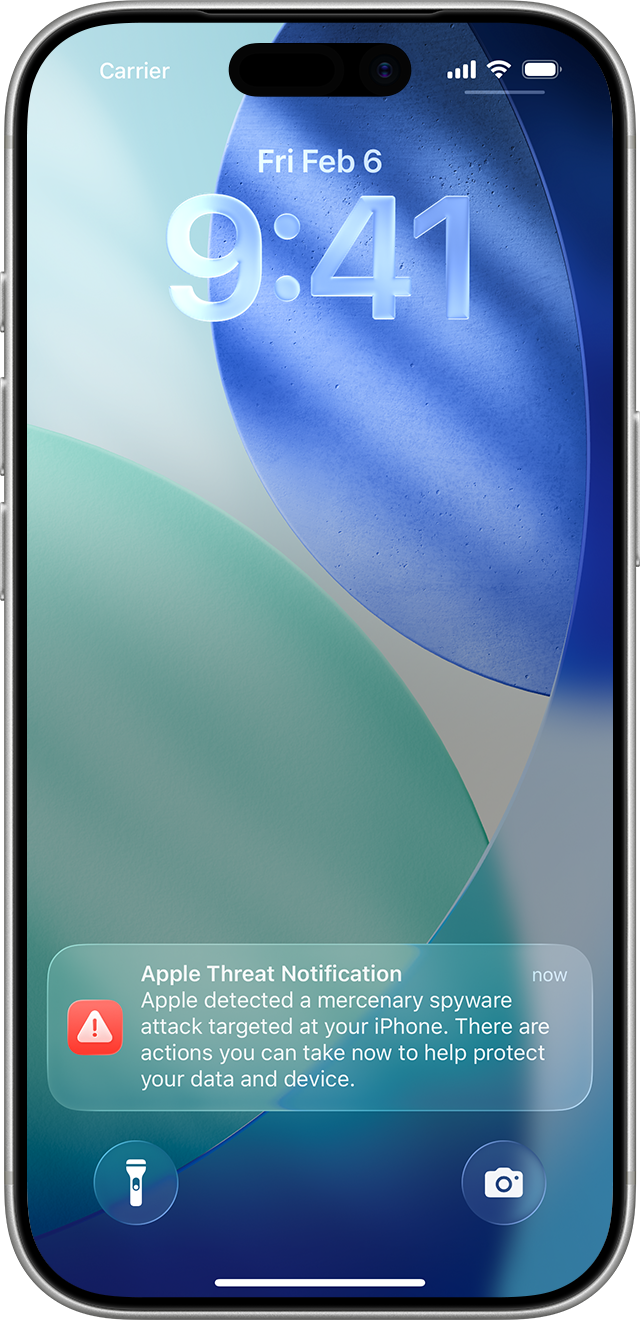
Apple met officials from Thailand's Digital Economy and Society Ministry on Wednesday, November 11, to discuss spyware warnings received by politicians and other iPhone users in the country. The talks followed Apple's threat notifications of October 29, which reached users in 99 countries. Apple told Bloomberg it issued the warnings after identifying activity consistent with mercenary spyware attacks. Several Thai politicians said they received the warnings.
The October 29 spyware alerts covered 99 countries
The same wave reached Europe. German MPs were among those getting Apple threat notifications over mercenary spyware. An earlier round in August alerted potential targets in 110 countries, covered when Apple issued its previous wave of spyware warnings.
The counts are easy to mix up. By Apple's own support document on threat notifications, the company has notified users in more than 150 countries in total since 2021. That figure covers every wave, not the 99 countries of October 29. A Bangkok Post report on November 12 attached the 150-plus total to the current Thai notifications. Two different counts.
Minister Chaichanok says an alert does not prove a hack
After meeting Apple representatives, Digital Economy and Society Minister Chaichanok Chidchob said the alerts alone do not establish that attackers gained access to recipients' devices. Thai authorities also have no evidence connecting the attempted intrusions to Pegasus, the surveillance software made by Israel's NSO Group. Apple has stressed the same limit: no confirmed information on whether the incident involved Pegasus or any other particular spyware.
Under its privacy policy, Apple cannot identify the owners of the devices involved, cannot confirm whether the attempted attacks succeeded, and has not disclosed how many users in Thailand received the notifications. Before the talks, the minister called the cyber threat unprecedented in scale, and said the Pegasus reference in the alerts was meant to show users the severity of the threat. Apple is preparing a further public statement for Thai users with guidance on protecting their devices.
Thailand's documented Pegasus campaign ran from 2020 to 2021
Thailand has history with this spyware. A Citizen Lab investigation titled GeckoSpy, published July 17, 2022 with Thai organizations iLaw and DigitalReach, confirmed at least 30 Pegasus infections between October 2020 and November 2021. The targets included activists, academics, and lawyers connected to the country's pro-democracy movement. Apple's warnings to Thai users in November 2021 helped start that investigation. The 2022 findings are background only. They are not evidence about the October 2026 attempts.
Lockdown Mode and account.apple.com are Apple's recommended steps
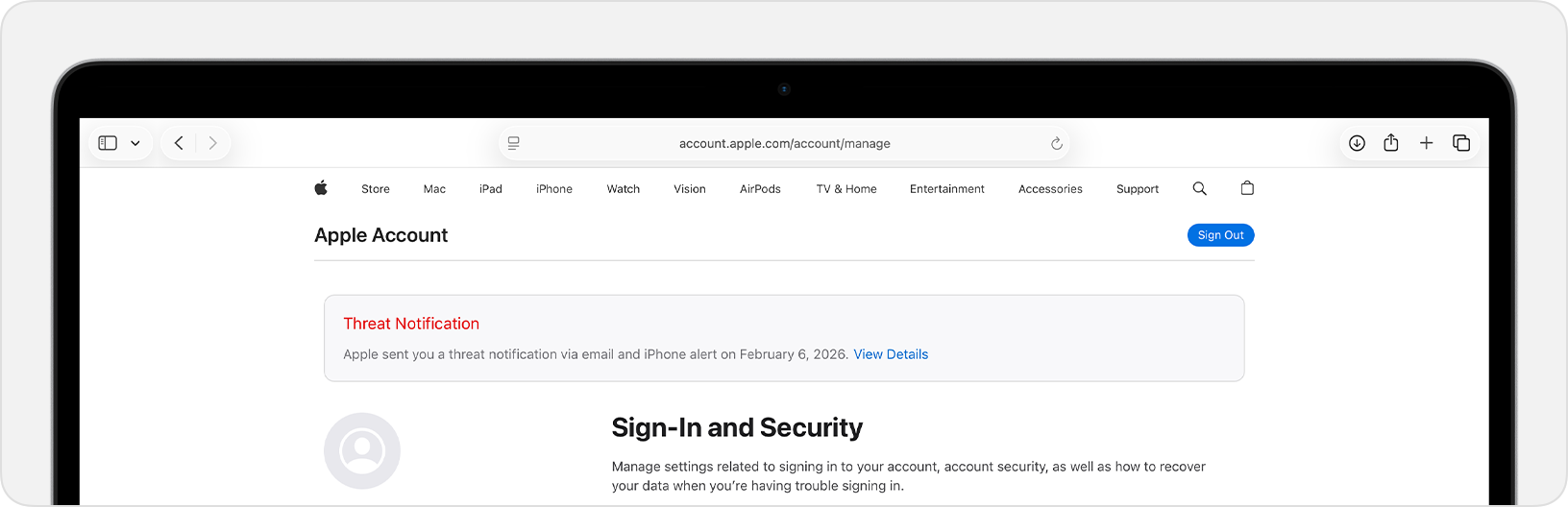
Apple advises anyone who receives a threat notification to turn on Lockdown Mode and to get specialist help, such as Access Now's Digital Security Helpline. A genuine notification can be verified by signing in directly to account.apple.com, where a banner appears at the top of the page. We covered the verification steps in an earlier iOS tip on checking an Apple threat notification.
In Thailand, people who received notifications can submit phones to the National Cyber Security Agency (NCSA) for examination, or turn to trusted external specialists. NCSA secretary-general Maj Gen Theerawut Witthayakorn said the agency has tools to detect suspicious software and connections to attackers' command-and-control systems. Users can also hand over system logs for technical analysis of whether an intrusion actually happened.
Thailand was among the first countries to discuss the incident with Apple after the alerts emerged, the minister said. The ministry expects a national security plan the week of November 16 and plans to widen the talks to digital platforms, hardware and software firms, and telecom providers, including Android device risks.
Photo: phone store counter with display iPhones, via Bangkok Post.
Source: Bloomberg (via The Star), MacRumors, Bangkok Post, Apple Support, Citizen Lab.