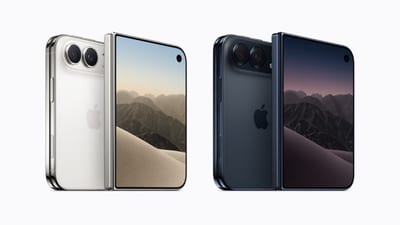
Apple's first foldable is landing in a market that is barely growing, and the number that matters is not the demand side. TrendForce said on October 28 that global foldable smartphone shipments will edge up only 0.5% in 2026. Into that flat market Apple ships roughly 5 million iPhone Duo units this year, about 24.8% of the whole foldable category. One product, launched late in the year, takes a quarter of the market.
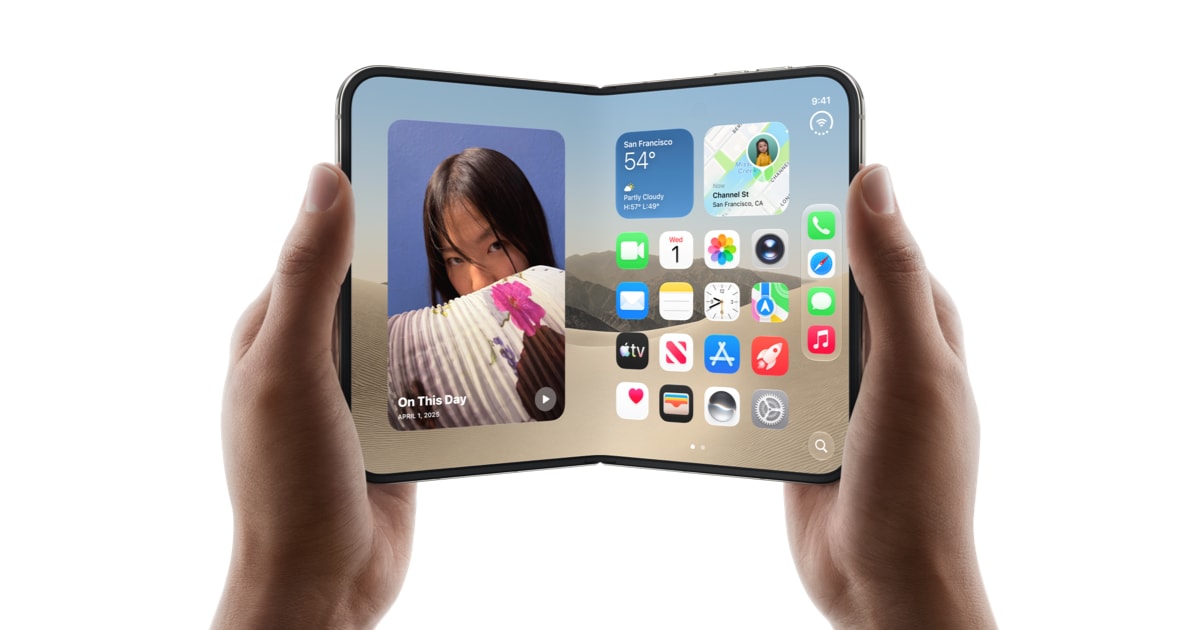
Supply, not appetite, is the constraint. Less than a week after preorders opened, Apple's own store was already showing some Duo orders delivering into January 2027, TrendForce wrote. Foxconn's final assembly yield stood at around 60% in mid-September, according to industry sources The Elec cited. A 60% yield means four of every ten assembled units get pulled out of the line.
Shipments reportedly raised from 9.7 million to 14 million units
Korean outlet NewsPim, cited in TrendForce's news desk, reported that Apple asked Foxconn and component suppliers to raise the Duo shipment target for the next 12 months by 44%, from 9.7 million to 14 million units. Industry sources told the outlet the increase reflects both stronger-than-expected demand and extra component stockpiling, buffer against assembly defects.
That 14 million figure covers a rolling 12-month window. TrendForce's roughly 5 million is calendar-year 2026. The two numbers describe different periods and should not be added together or compared directly.
Teardrop hinge has to support when open and retract when shut
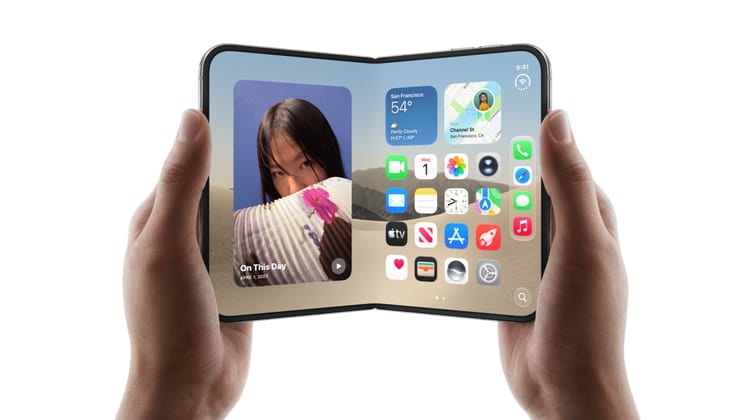
The engineering problem sits in the fold. TrendForce describes the Duo's teardrop hinge as doing two opposite jobs: holding the inner display flat and rigid while unfolded so touch input works, then retracting to leave clearance for the panel to bend along its curve when shut. Teardown-based analyses of damaged Duo units point to one hypothesis, that the central support bar fails to retract far enough during folding, creating contact and localized stress on the inner display. Reuters relayed iFixit's 3D hinge simulation, built from teardown footage, patents and CT scans, as the origin of that theory.
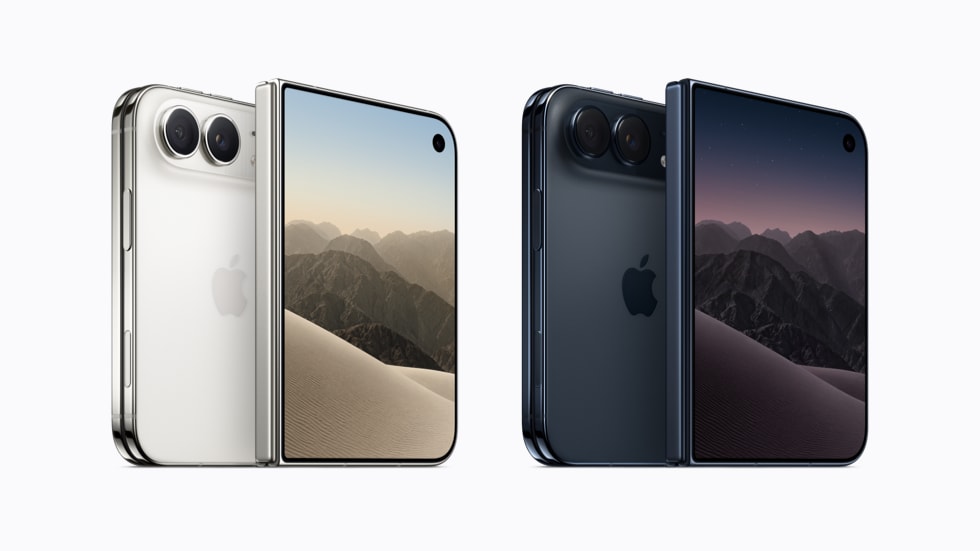 inner screens cracking along the hinge on launch day matches that pattern, and dust jamming the hinge showed up in the JerryRigEverything durability test.
Hinge supplier changed hands before launch
The hinge supply chain moved during development. ZDNet, cited by TrendForce, reported that US firm Amphenol was originally the primary hinge supplier with Taiwan's Shin Zu Shing second. Amphenol's yields fell well below expectations and Shin Zu Shing took over the primary role, then reportedly had to sort hinge units into "golden samples" that met Apple's quality bar. Those difficulties delayed Duo production.
Assembly has since tightened rather than loosened. A Foxconn employee says Apple relaxed Duo quality checks to protect supply, one of several supply-chain accounts circulating since launch. TrendForce's own read is that early screen-failure reports could undermine confidence among first-time foldable buyers, and that the damage depends on how widespread the issue turns out to be and how fast Apple finds the root cause.
Software still leaves screen area on the table
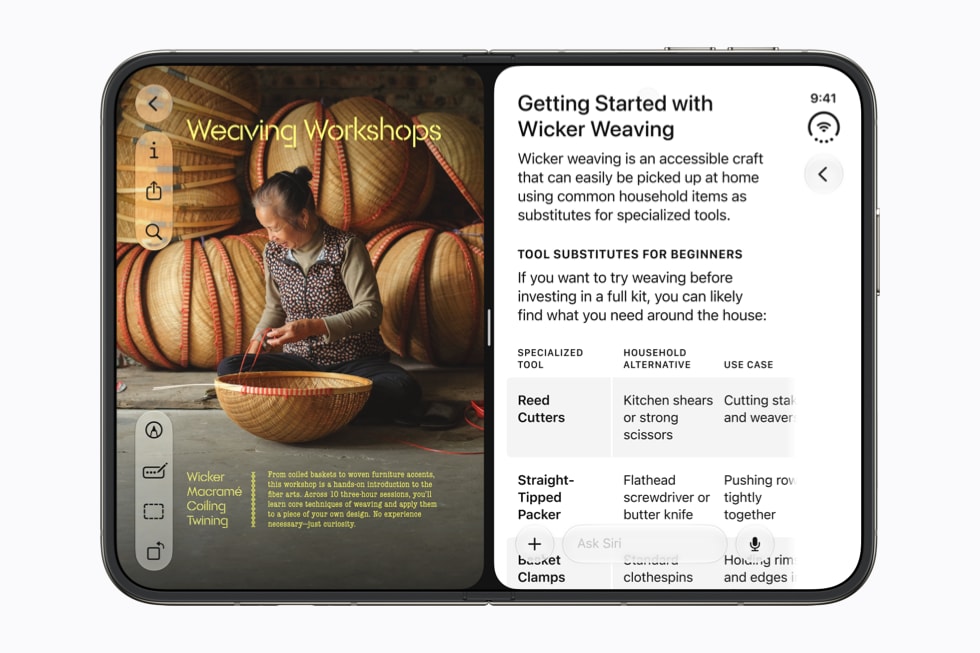
TrendForce also flags app adaptation. Some apps show black borders or ignore part of the unfolded area, so the larger panel does not yet translate into consistent multitasking gains. Power is the second tax: OLED emission power follows brightness, emitting area and content, so even a static white document keeps drawing current. The Duo's US pickup lines stayed near zero this week while replacements run through AppleCare, which puts more weight on the January delivery dates and the 2027 shipment calendar than on launch-week optics.
 Apple foldable phone iPhone iPhone Duo trendforce