
Apple saved about $2.7 billion in taxes through Singapore in fiscal 2026, more than the $2.6 billion it saved through Ireland. The figures sit in the company's Form 10-K, filed with the SEC on November 3 and reported by the Financial Times on November 8. New US accounting rules now make listed companies show where tax on overseas profits differs from the 21% federal rate. For Apple, the biggest gap now comes from Singapore. Apple declined to comment to the Financial Times and The Irish Times.
How the $2.7 billion adds up in the 10-K
The Form 10-K for the year ended September 26, 2026 carries the breakdown. Pretax income was $159.2 billion, and about $95.5 billion of it was foreign. Taxed at the 21% federal rate, that income would owe $33.4 billion. Apple's actual income tax provision was $27.1 billion. That is an effective rate of 17.0%, up from 15.6% in 2025, and it is the same fiscal year that ended with Apple's $114.5 billion quarter on the Q4 2026 earnings call.
Two jurisdictions make the gap. Singapore shows a tax rate difference including incentives of $5.49 billion, then a Qualified Domestic Minimum Top-up Tax of $2.51 billion and $311 million in other items. Net, Singapore lowers the bill by about $2.67 billion. Ireland shows a $3.46 billion rate difference and $897 million in other items, net about $2.57 billion.
| Jurisdiction | Rate difference | Offsets | Net effect vs 21% |
|---|---|---|---|
| Singapore | $5.49B (includes incentives) | $2.51B top-up tax, $311M other | -$2.67B |
| Ireland | $3.46B | $897M other | -$2.57B |
Singapore's 17% headline rate, about 10% effective before the top-up
Singapore's corporate tax rate is 17%, above the OECD's 15% global minimum. Companies can still negotiate incentives for activities the government treats as high value. Accounts for Apple's main local entities show an effective rate of about 10% from 2023 to 2025. Singapore applied the OECD rules from financial years starting 2025, and the top-up tax it introduced took back $2.5 billion from Apple this year.
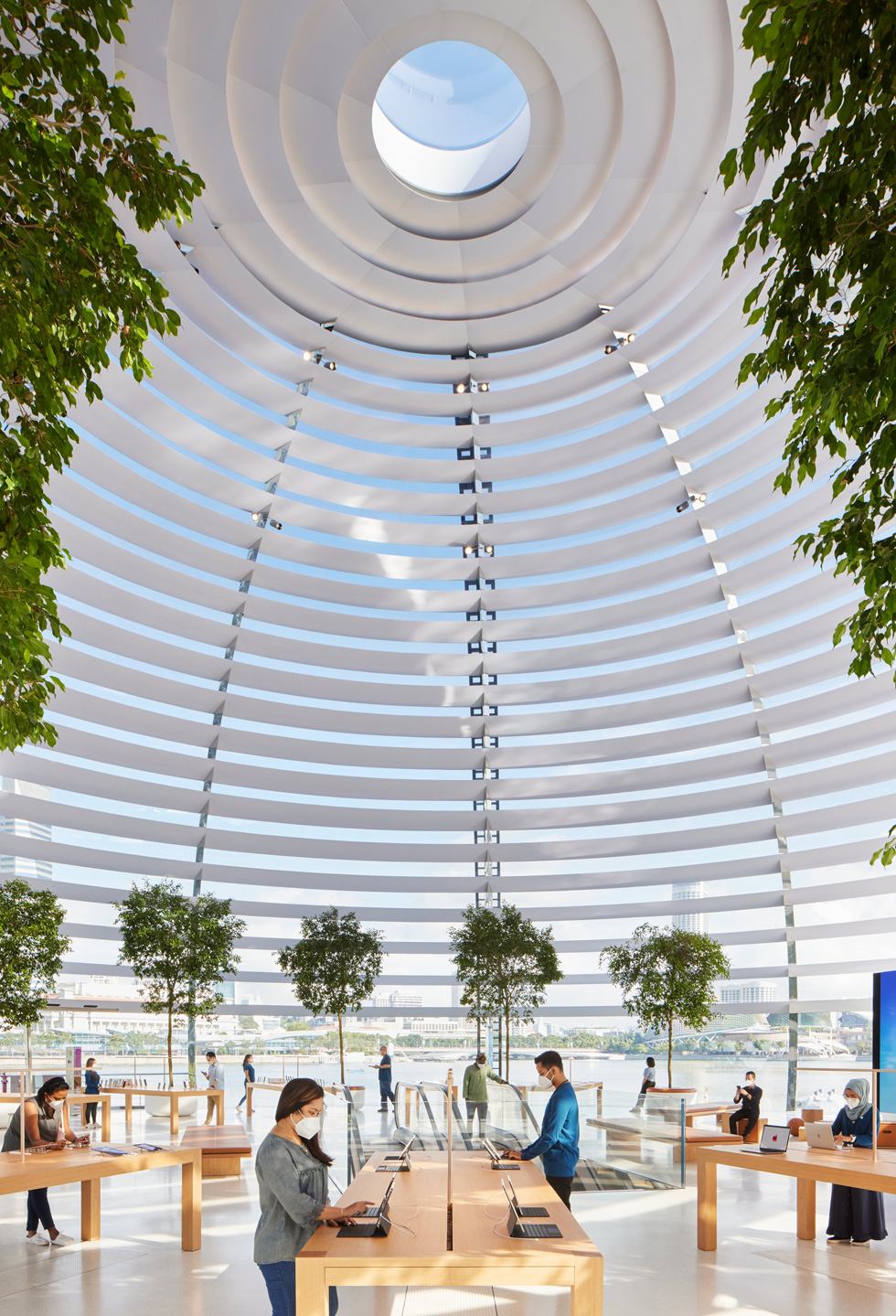
Cash paid tells a different story than the rate difference. In fiscal 2026 Apple paid $4.96 billion of income tax in Ireland and $3.25 billion in Singapore, out of $34.6 billion worldwide. Ireland is still the larger cash payer. The tax bill is one input into the 45 to 46 percent holiday quarter margin Apple guided as memory costs climb.
Up to $50 billion of profit booked through the city-state
The Financial Times estimates Apple attributed as much as $50 billion of profit to Singapore in 2026. In 2025, pretax profits at its Singapore subsidiaries were nearly $40 billion, according to their published accounts. Across its two main Singapore entities Apple generated about $9 million of pretax profit per employee in 2024. In Ireland the figure was $6 million in 2025. Across the world it was under $1 million. Apple's biggest Singapore subsidiary is a sales and marketing hub that also "develops intellectual property", its accounts show.
The cash pile behind those profits is separate from the tax story. Apple also raised $7.5 billion in bonds in November while buybacks run ahead of AI capital spending debt.
Ireland's 13 billion euro state-aid bill and the OECD floor
Apple was forced to repay more than 13 billion euros in Irish taxes with interest after the European Commission's 2016 state-aid decision. The Ireland number has been public for a decade. The Singapore number is the new one. "While Apple's reliance on Ireland was first revealed more than a decade ago, the enormous tax savings in Singapore are a major revelation," said Zorka Milin, co-director of the Fact Coalition.
Mike Lewis of TaxWatch called the 15% floor "a relatively low floor", adding that "to some degree, it's business as usual for some of these companies". Others argue multinationals stay for skilled staff, infrastructure and legal stability, not only tax rates. Top-up taxes should push Apple's Singapore rate closer to 15% this year and after.
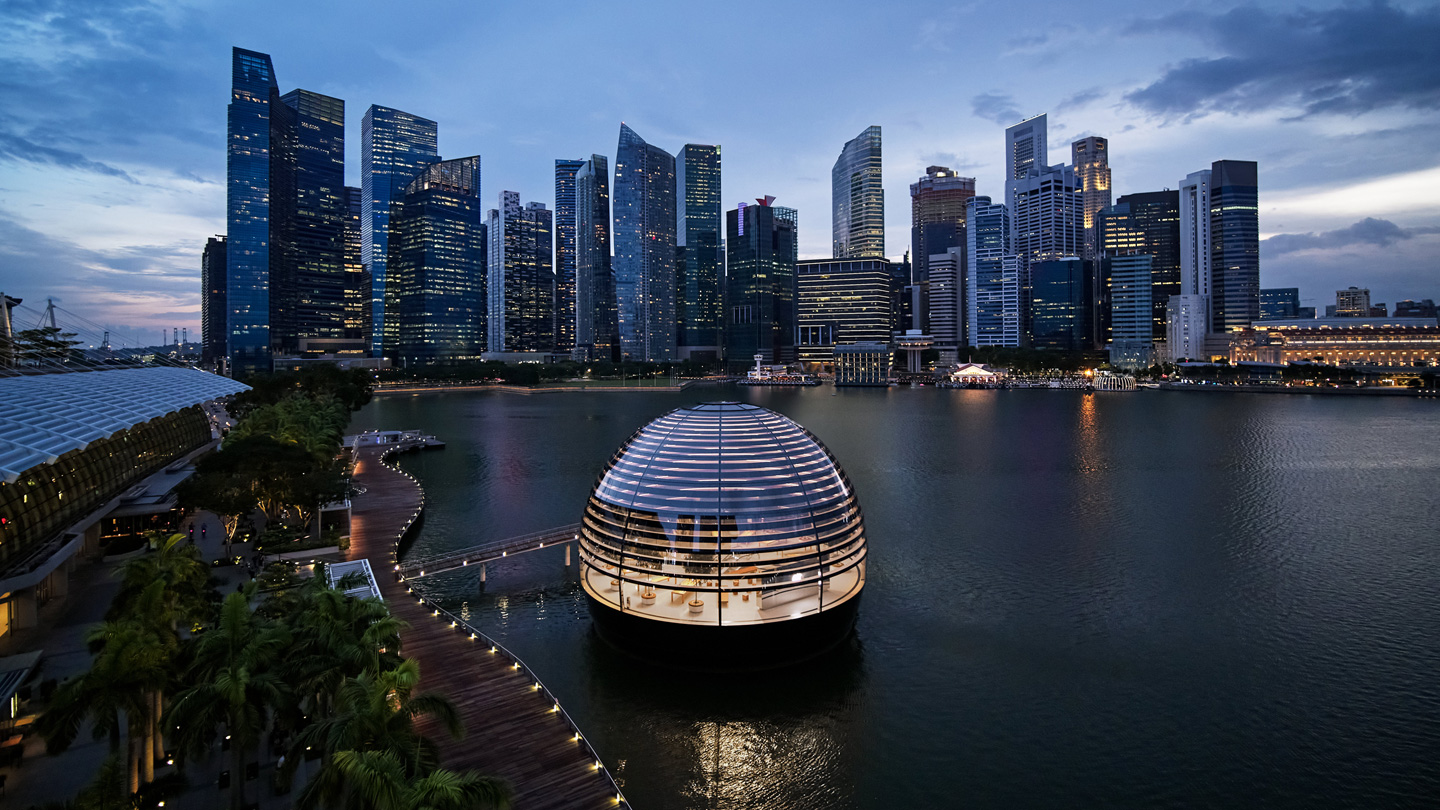
Photo: Apple Marina Bay Sands in Singapore (Apple Newsroom). Source: Financial Times, The Irish Times, Apple Form 10-K.