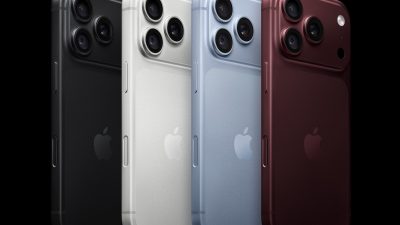
Apple spent years as the toughest buyer in the flash memory market. That position has flipped. The Wall Street Journal reported on October 28 that AI data center buildouts sent hyperscalers into the NAND flash market, and the suppliers Apple once pushed around are now charging more.
TechInsights numbers cited in the report show the scale of the change. Two years ago Apple bought nearly twice the flash storage of Microsoft, Amazon, Meta and Google combined. Now those hyperscalers together buy double Apple's share.

Apple's old flash tactics, from refused deliveries to supplier audits
The Journal's Rolfe Winkler describes what suppliers endured. Apple would order flash at low prices, then refuse delivery when the market price fell, leaving suppliers holding stock, including chips made just for Apple. Kioxia executives joked they felt like Charlie Brown kicking the football. Apple also required most-favored-customer terms and audited supplier books to make sure nobody else got a better price.
Suppliers pushed back when they could. In late 2015 SanDisk refused extra Apple orders because other customers paid more, and then procurement chief Tony Blevins threatened retaliation, according to the report. A spokesperson told the Journal only that Apple values decades-long supplier partnerships.
Meta, Microsoft and Amazon have since signed long-term supply agreements with Kioxia at higher prices, which strengthens Kioxia's hand against Apple.
$200 storage upgrade on iPhone 18 Pro now yields about $134
The squeeze shows up in Apple's upgrade margins. TechInsights estimates Apple earns roughly $134 gross profit when a customer pays $200 to move an iPhone 18 Pro from 256GB to 512GB. On the iPhone 17 Pro, the same upgrade was worth about $185 last year. Apple has already responded on the price side, raising prices on more than a dozen products this year, from iPhones and iPads to Macs, HomePods and the Apple TV. Former CEO Tim Cook called the increases unavoidable.
Memory is 34% of a 256GB iPhone Pro's bill of materials
TrendForce's tallies put numbers on the cost pressure. Memory accounted for about 34% of a 256GB iPhone Pro's bill of materials in 3Q26, against roughly 10% a year earlier, and could pass 40% in the first half of 2027. TrendForce also estimates the iPhone 18 Pro's total bill of materials up about 38% year over year. Apple has reportedly turned to long-term NAND supply deals to lock volume, with market watchers pointing to Kioxia as the likely partner, following earlier reporting that Apple secured NAND supply by contract instead of chasing the lowest price. The shortage has other effects on orders: Nikkei says Apple cut October iPhone 18 Pro component orders by at least 15% after the price hikes.
How long the suppliers stay on top depends on the AI buildout. SK Hynix said this week the memory shortage persists through 2030.
Photo: Apple. Sources: The Wall Street Journal, MacRumors, TrendForce.
Related: Apple secures NAND quantity by long-term contract, shifting from price focus. TrendForce: iPhone 18 Pro memory purchase cost up 400%. Nikkei: Apple cuts October iPhone 18 Pro component orders at least 15%.