Apple told investors on November 2 that holiday-quarter gross margin will fall to 45 to 46 percent. The reason given on the call was memory costs. CEO John Ternus called current memory pricing "unprecedented" and said purchase prices keep rising after December. The warning arrived with a record quarter behind it. Fiscal Q4 2026, ended September 26, drew $114.5 billion in revenue, up 12 percent, and iPhone set a September-quarter record at $57.58 billion (Apple Newsroom). The earnings beat itself is covered in our Q4 FY2026 results brief. This post is about the margin math Apple gave for the holiday quarter.
December quarter gross margin guided to 45 to 46 percent
Gross margin printed at 47.9 percent in the September quarter, and that number carried about 1 percentage point of help from tariff refunds. Product gross margin was 37.2 percent, down from 40.1 percent in the June quarter. CFO Kevan Parekh said that with tariff refunds removed from both quarters, company and product margin would each be down about one point sequentially, mostly on memory (9to5Mac). For December, services revenue is guided to grow 8 to 9 percent, below the 10.7 percent analysts expected. Revenue itself is guided up 7 to 10 percent, which Apple said would make it the best revenue quarter in company history (Reuters wire via Investing.com).
Ternus calls memory pricing unprecedented past December
"What we're seeing with memory pricing right now is unprecedented," Ternus said on the earnings call. September costs went up. December will be worse. "Looking beyond the December quarter, we see the pricing for memory purchases continuing to increase," he said (MacRumors). Apple softened September with memory it had bought earlier at lower prices, plus lower prices on some non-memory components. Ternus said that carry-in benefit fades over time. June and September price increases on iPhone, iPad and Mac also cover part of the increase.
Same pressure is already visible further down the supply chain. Samsung cut Q4 Galaxy A production as memory topped half of some midrange bills of materials, and earlier Apple accepted a Samsung Q1 2027 memory quote near $2/Gb. The December-quarter margin bridge from the call, in one table:
| Helps December margin | Pressures December margin |
|---|---|
| Memory bought earlier at lower prices (benefit shrinking) | Memory purchase prices still rising past December |
| Lower prices on some non-memory components | Siri AI cloud running costs |
| June and September price increases on iPhone, iPad, Mac | Deferred revenue on devices bundling Siri AI |
Purchase obligations up $33 billion, inventory at $14.5 billion
COO Sabih Khan said Apple is working closely with memory suppliers and that manufacturing purchase obligations rose $33 billion from the June quarter to the September quarter. The figure appears in Apple's annual filing. Inventory more than doubled year over year to about $14.5 billion, which reads like buying memory before the next increase. Mac and iPad supply will be constrained in the December quarter because of memory, Apple said.
Apple's power to charge more for flash upgrades has also shrunk. A WSJ breakdown of iPhone 18 Pro storage-upgrade margins put gross profit at $134 per upgrade once AI data centers changed the NAND market.
Siri AI adds cloud costs and deferred device revenue
Parekh said Siri AI presses margins two ways. Running the service raises cloud costs. And for devices that bundle Siri AI, Apple defers part of the revenue and recognizes it over the life of the device, the accounting it already uses for Maps, Siri and iCloud. Apple plans to charge more for iCloud+ subscriptions to offset AI costs. Ternus said there will be usage limits on features that rely on server-side models, including Siri AI and intelligent photo editing. Siri AI runs partially in Google's cloud (Reuters wire).
Khan declines to say if more price increases are coming
An analyst asked whether prices could rise again. Khan took the question and avoided a direct answer. Parekh said the earlier price increases were done "reluctantly" and that Apple is balancing short-term and long-term considerations (MacRumors). Q4 Mac sales were $10.79 billion, above the $9.61 billion estimate. Greater China revenue was $17.54 billion, below the $18.58 billion Visible Alpha estimate. So far Apple's levers are pre-purchasing, component savings and earlier price increases, not discounts.
Apple's annual filing this week shows the full purchase-obligation line. The 45 to 46 percent guide holds only if memory prices do not jump again before December.
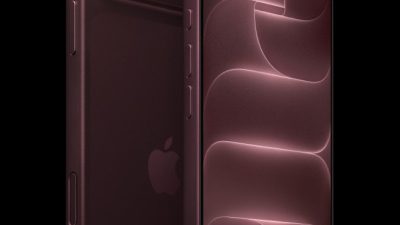
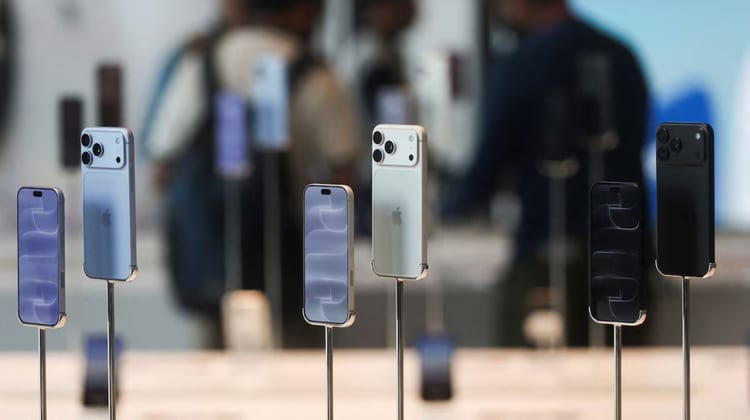
Photo: iPhone models on display at an Apple retail store (Indian Express). MacBook Pro and iPhone 18 Pro product images (Apple).
Source: Apple Newsroom; Reuters wire (Investing.com, Indian Express); MacRumors; 9to5Mac.