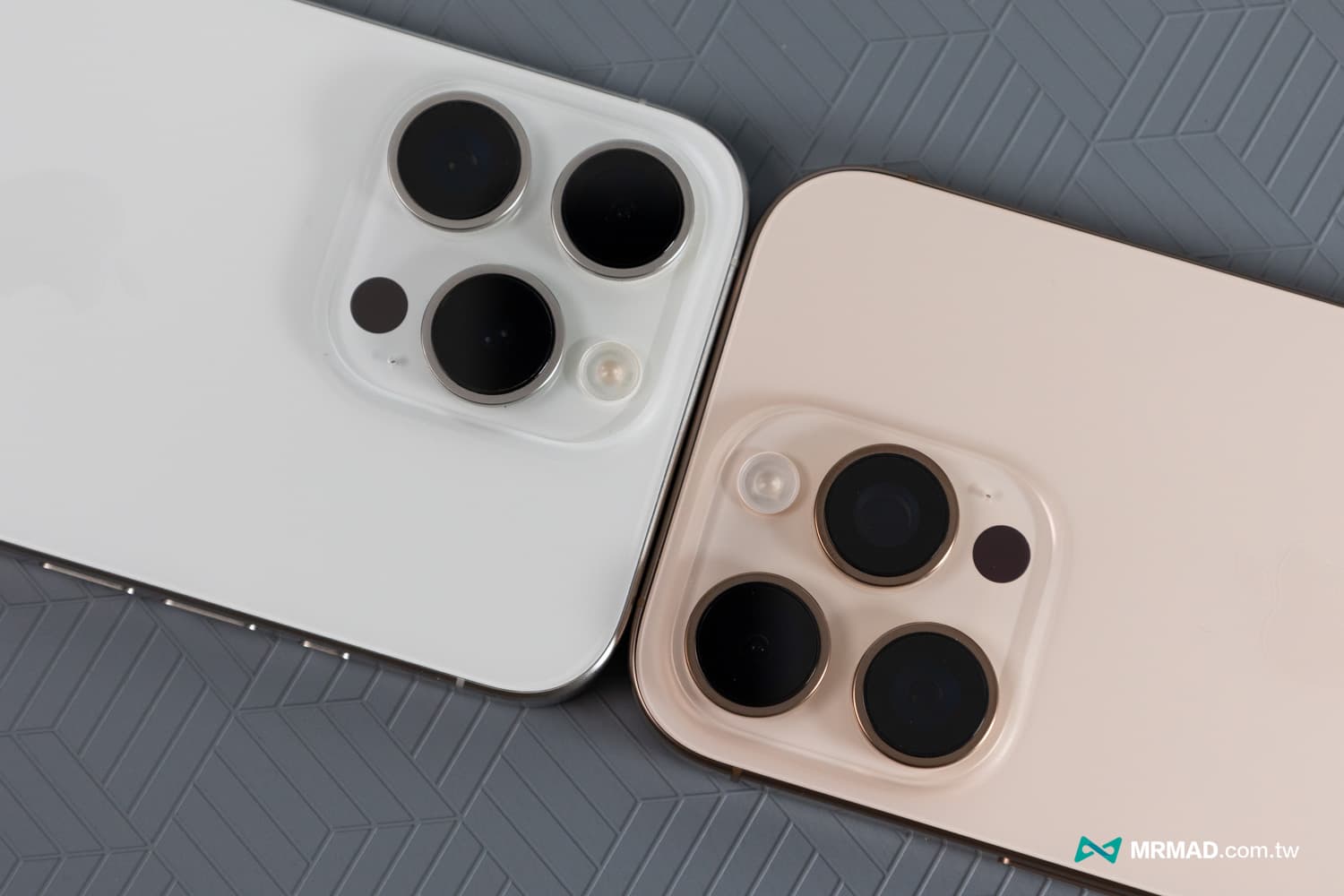
Since the iPhone 16 series was released and went on sale, eagle-eyed netizens have discovered that Apple’s official website has deleted the “anti-reflective lens coating” instructions for all iPhone 16 models. This instruction is no longer visible on the model comparison page, along with Apple has not officially explained this matter, causing many people to wonder why the iPhone 16 lens coating mark was removed from the specification comparison table.
Can iPhone 16 anti-reflective coating really improve ghosting and flare?
What is the role of reflective lens coating on iPhone 16? Mr. Crazy previously unboxed the iPhone 16 Pro for depth measurement. The lens coating cannot effectively reduce ghosting and flare during shooting. The flare problem is still serious. As shown below, the iPhone 16 Pro lens still reflects pedestrians and traffic lights on the screen. Basically, there is no difference from the iPhone 15 Pro.
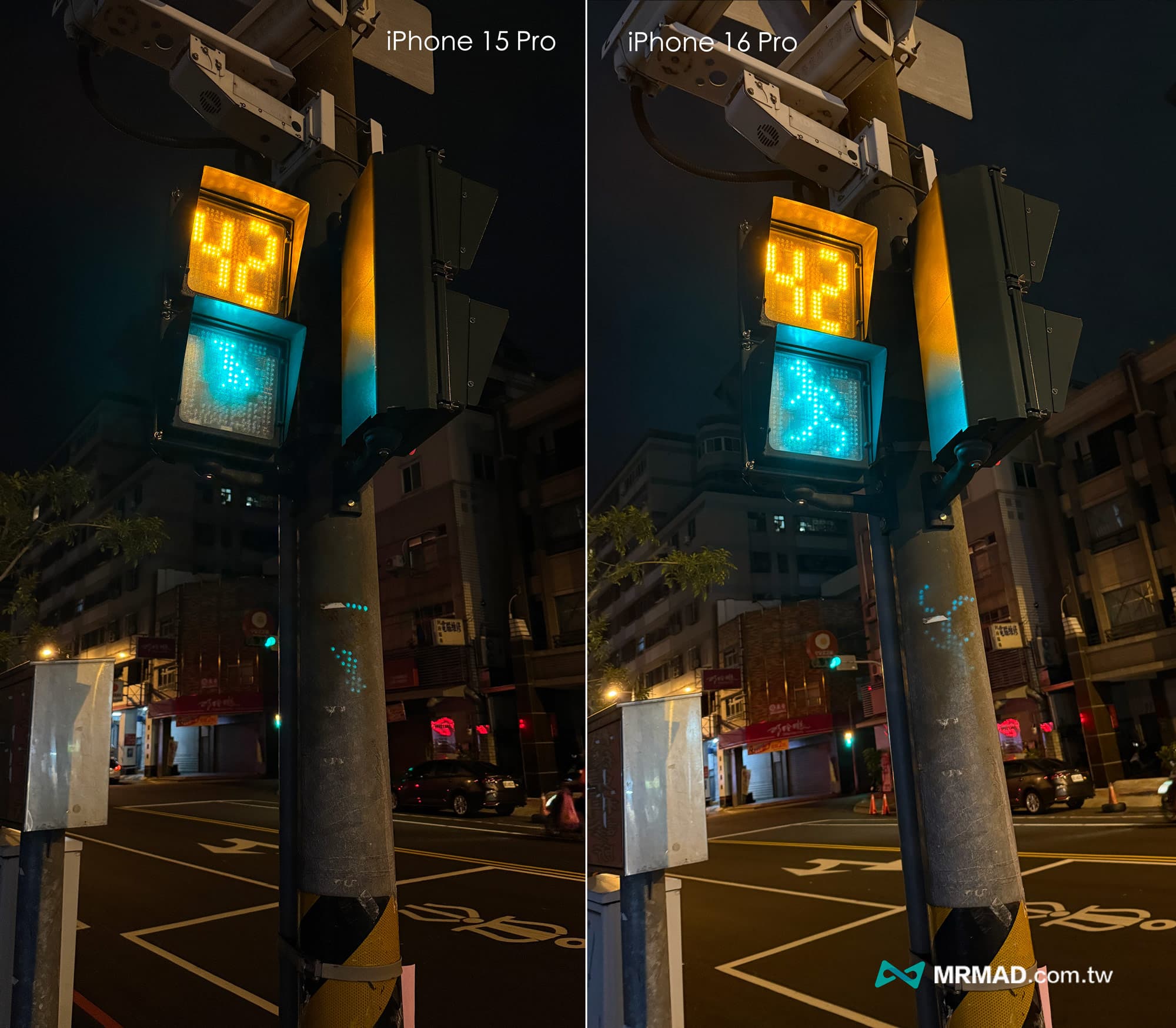
The reality seems to be significantly different from Apple’s official promotion of “anti-reflective lens coating” on all three lenses of the iPhone 16 Pro series. Since it is determined that the glare problem of the iPhone 16 series cannot be improved through lens coating, what exactly is the problem? Where?
What does anti-reflective lens coating do? What is the ghost light?
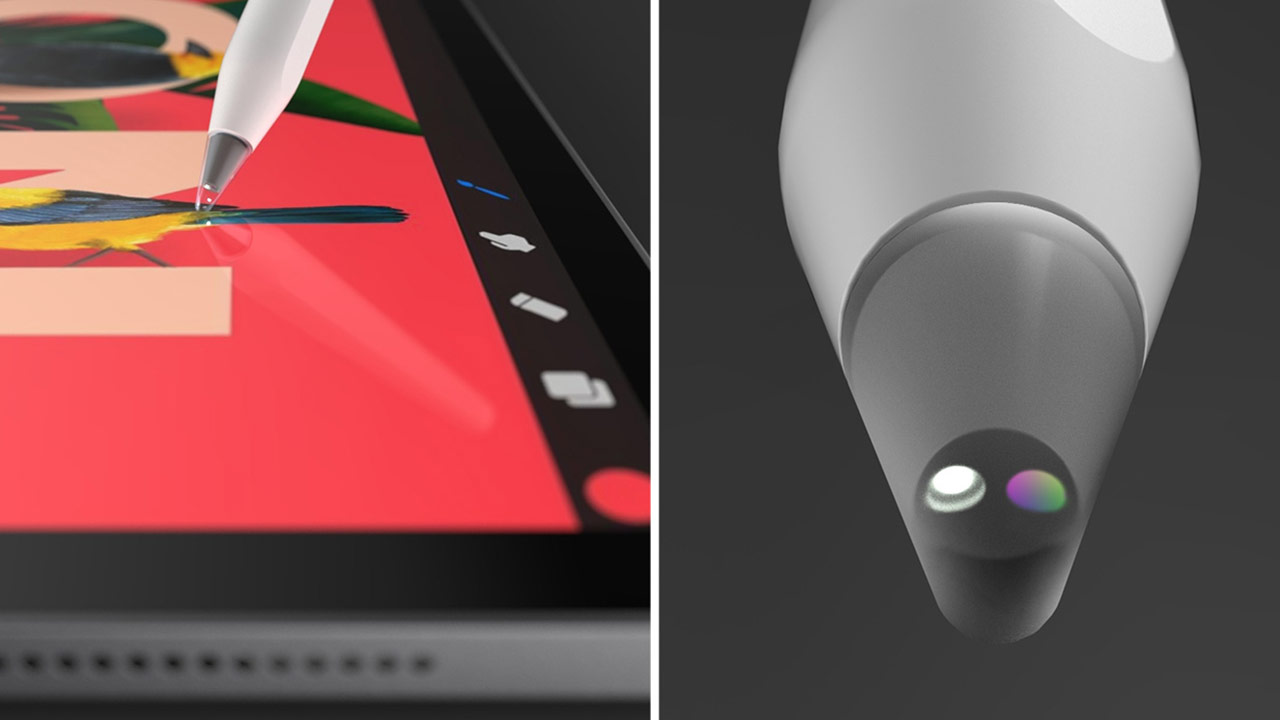
In order to understand this problem more deeply, this coating is like a layer of contact lenses, covering the surface of the lens, which can reduce the reflection of light and improve the light transmittance. Especially at night or in strong light environment, the anti-reflective coating can effectively suppress annoying eliminate the glare problem and make the photos clearer and purer.
Ghosting and flare are common phenomena encountered in photography. As long as the lens is facing strong light, the light will undergo multiple reflections, refractions or diffractions in the lens. The resulting optical phenomenon will make the picture look like a ghost. The shadow of the light source appears on the screen reflection.
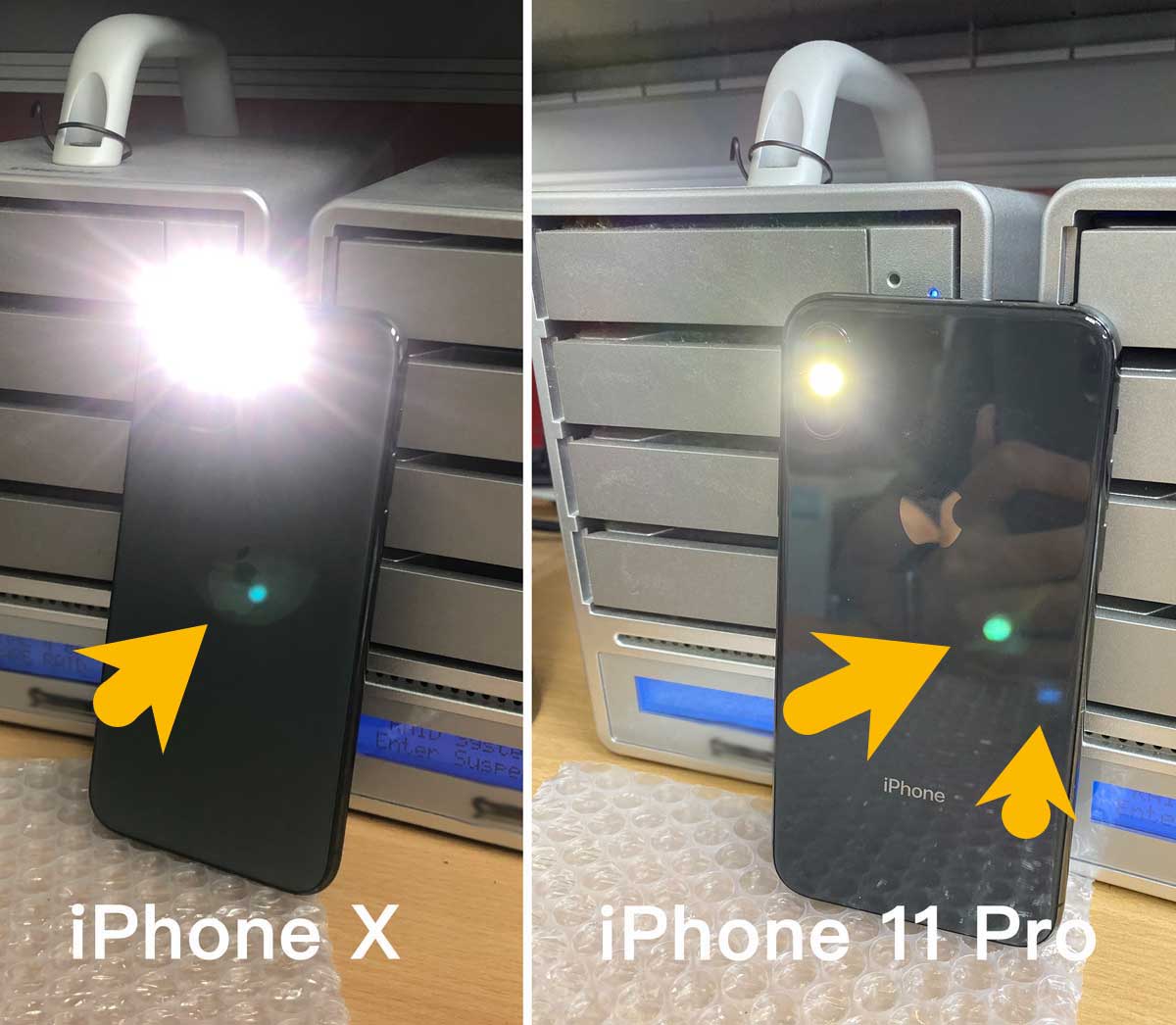
Measured results of iPhone 16 anti-reflective coating
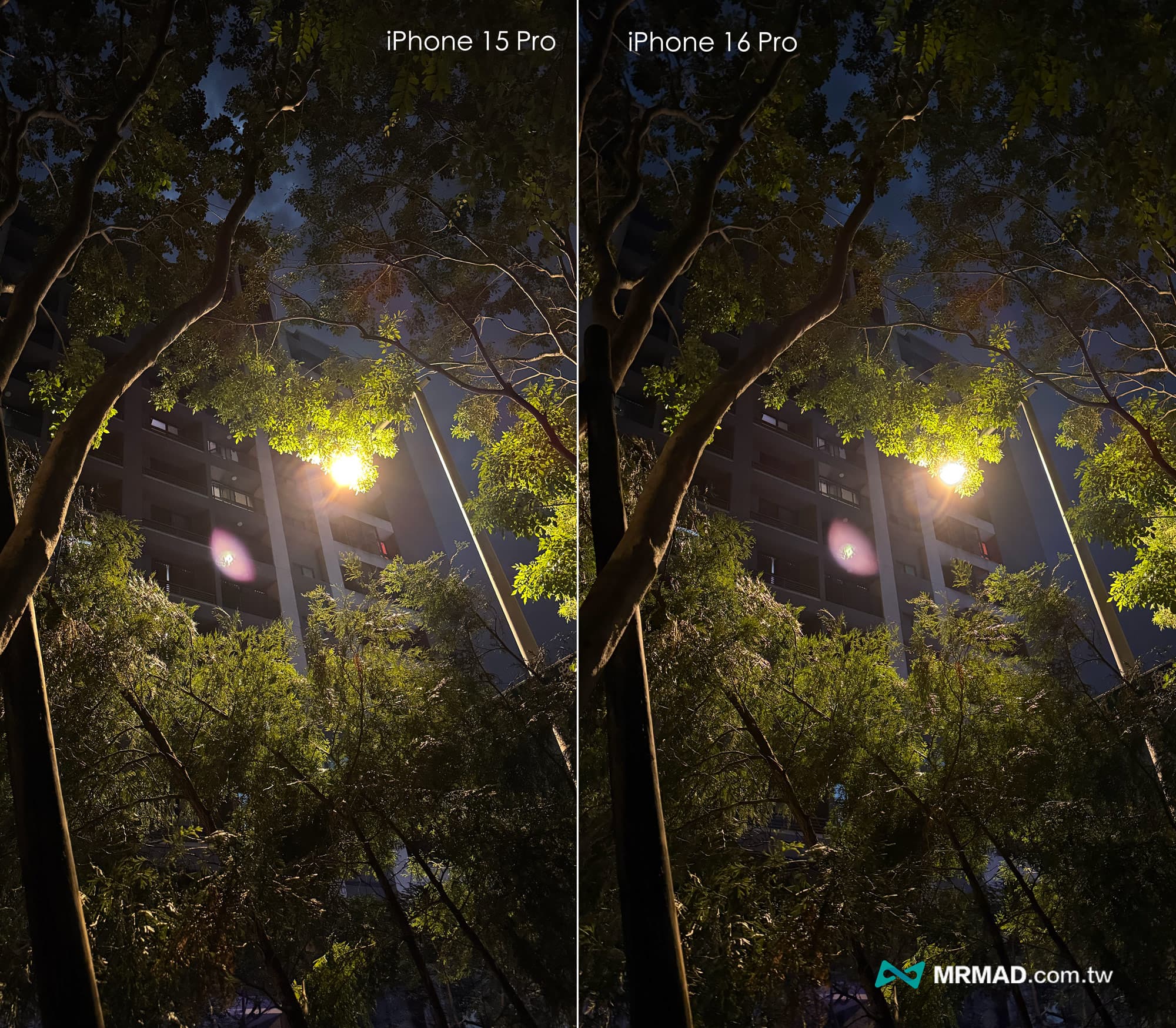
In order to verify the effects of Apple’s anti-reflective lens coating in the iPhone 16 series, Mr. Crazy also conducted multiple sets of actual measurements to compare the iPhone 16 Pro with the previous generation model. Under the same shooting conditions, we It is found that the “anti-reflective lens coating” of the iPhone 16 is mainly better at suppressing strong light sources in low-light environments and can reduce glare problems.
In the actual shooting comparison below, the iPhone 15 Pro Max turns into a mass of large diffused light spots. In contrast, the iPhone 16 Pro can prevent the light spots from being significantly diffused, and the purity of the entire photo is also significantly improved.
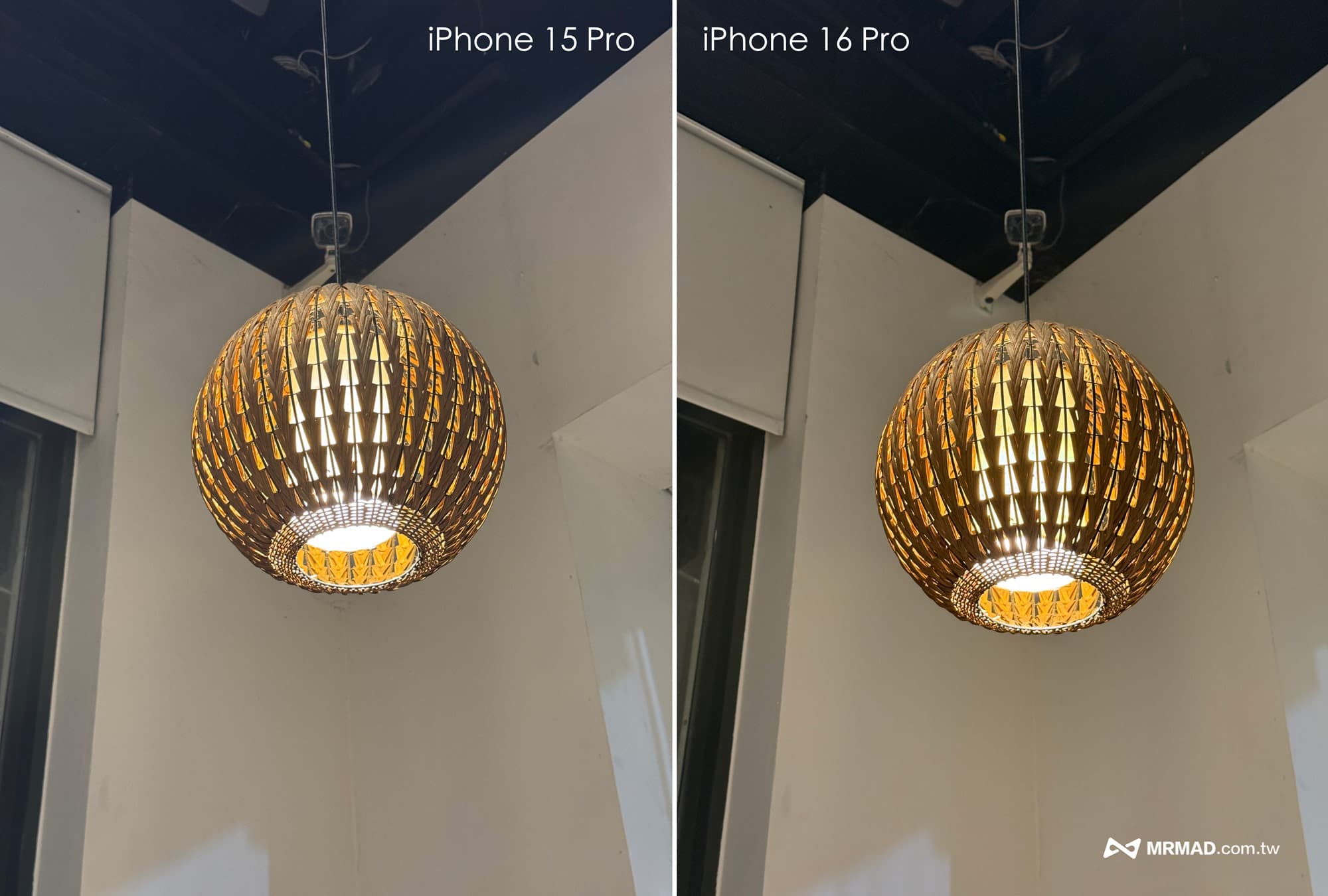
If you compare indoors and shoot bamboo chandeliers directly with iPhone 16 Pro and iPhone 15 Pro, you can find that the overall light source suppression effect of iPhone 16 Pro in the picture is better than that of iPhone 15 Pro, there will be no glare, and the picture is relatively clearer. Clean, higher contrast and vibrant.
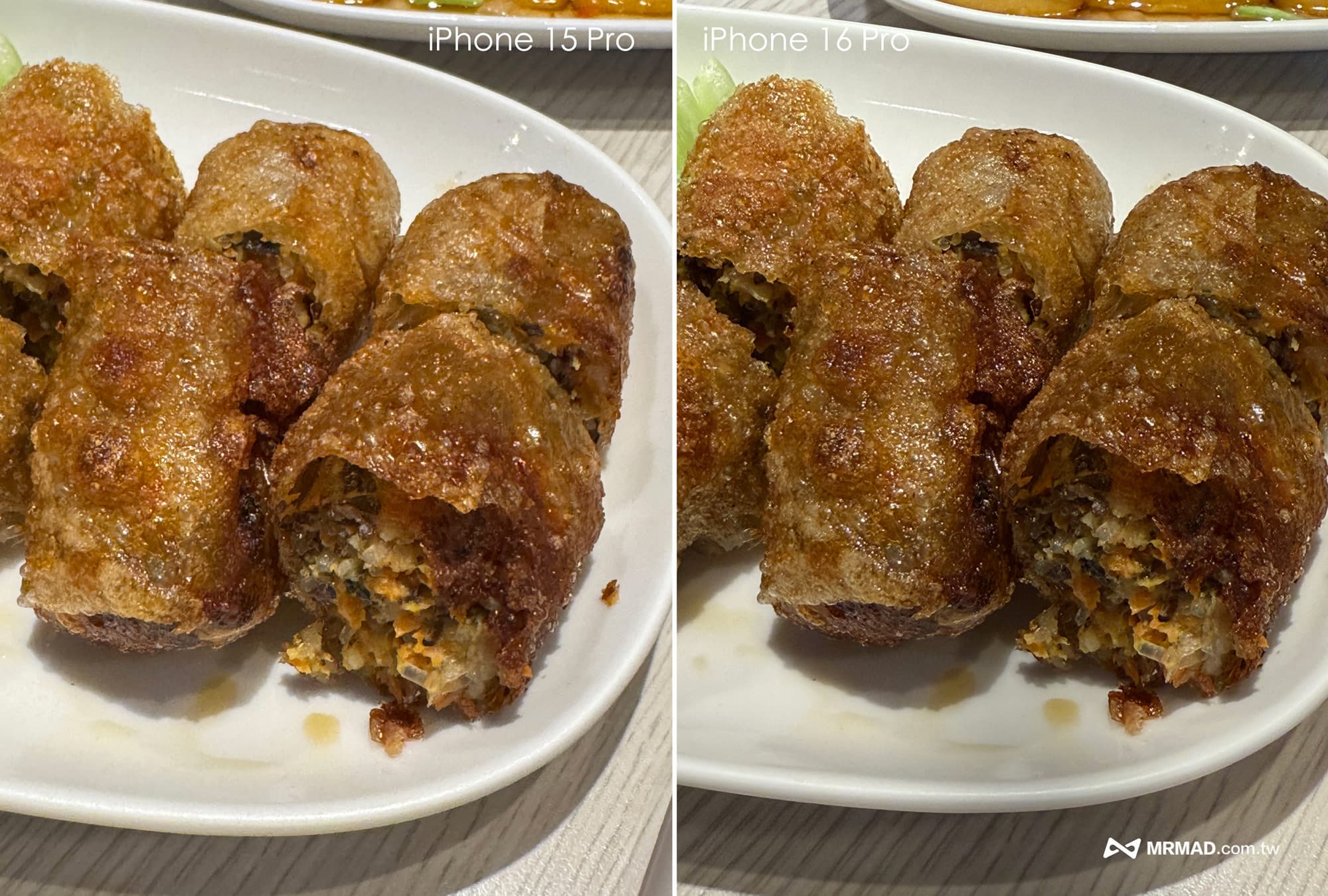
If compared with shooting in macro mode, the light suppression of iPhone 16 Pro is more obvious, and the contrast will be slightly darker. However, the detail clarity is also more obvious than that of iPhone 15 Pro, which can make the whole plate of Vietnamese fried spring rolls crispy. Can record it all.
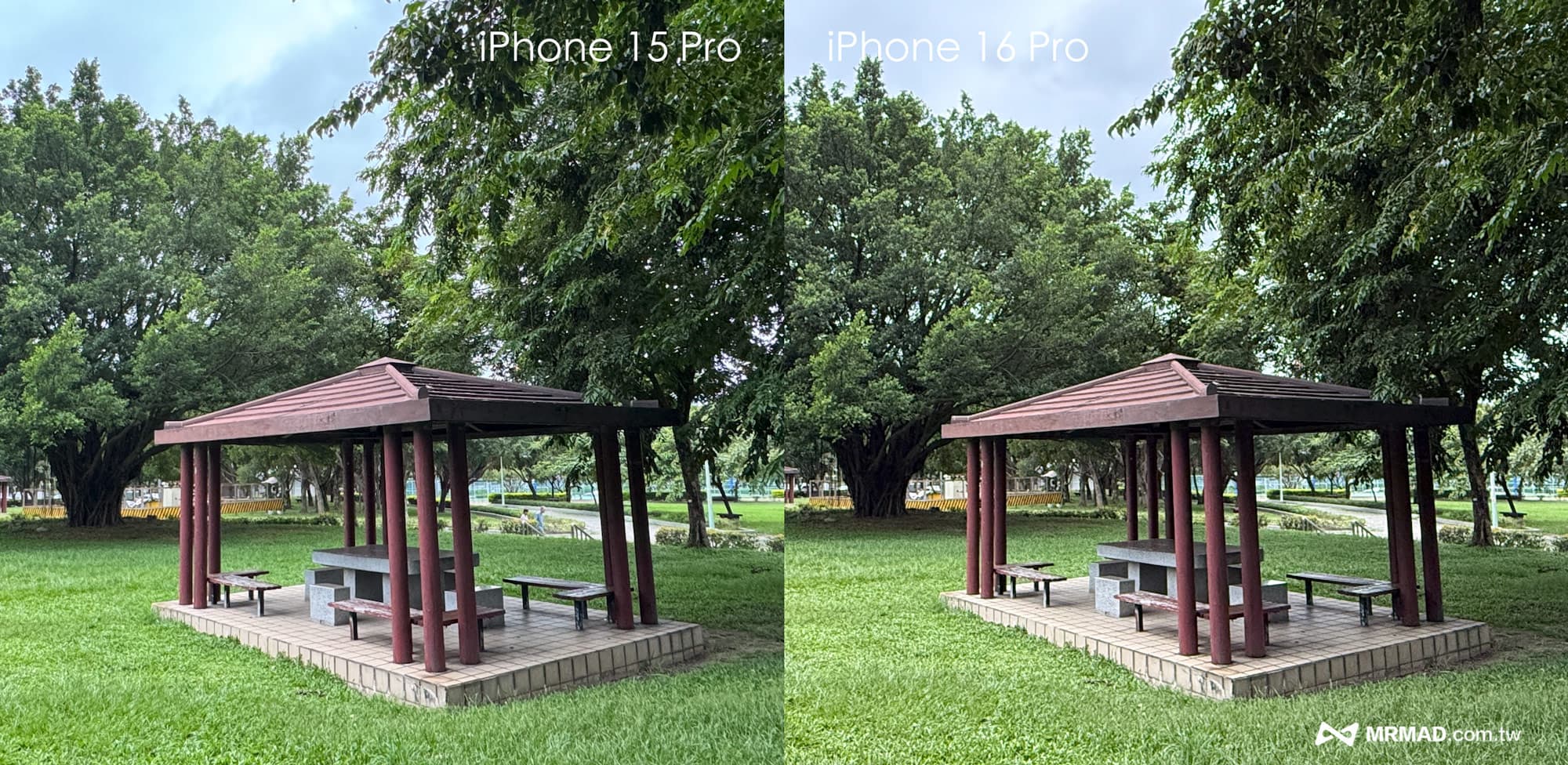
If you compare shooting during the day, the anti-reflective lens coating will not be too obvious. The only difference will be slightly obvious in the sky HDR processing. The iPhone 16 Pro will not have the overexposure of the iPhone 15 Pro sky, and the overall quality will be more layered. However, the more troublesome thing is that under certain shadow processing, the coating will cause excessive blackness and lose the original details.
Apple removes anti-reflective coating from iPhone 16
Actual measurement results show that the anti-reflective coating of the iPhone 16 Pro can significantly reduce the intensity of strong light sources when shooting at night, but it cannot solve the ghosting or flare problems that most people expect. Perhaps too many people feel that there is no coating. In fact, the anti-reflective lens coating this time is not to solve the problem of ghosting and flare. The official may have removed the “anti-reflective lens coating” to avoid more people’s misunderstanding.
So why can’t iPhone ghosting and flare problems be solved? The main reason is that Apple uses extremely thick sapphire glass in order to strengthen the lens. The main reason is that light is refracted in the lens and cannot penetrate out, which will easily cause green spots or ghosting problems. We can only wait for Apple to find a product that can replace sapphire. Lens glass is the real solution.
iPhone 16 Tips Compilation》
iPhone 16 Buying Guide》
iPhone 16 specifications analysis》
Recommended iPhone 16 accessories”