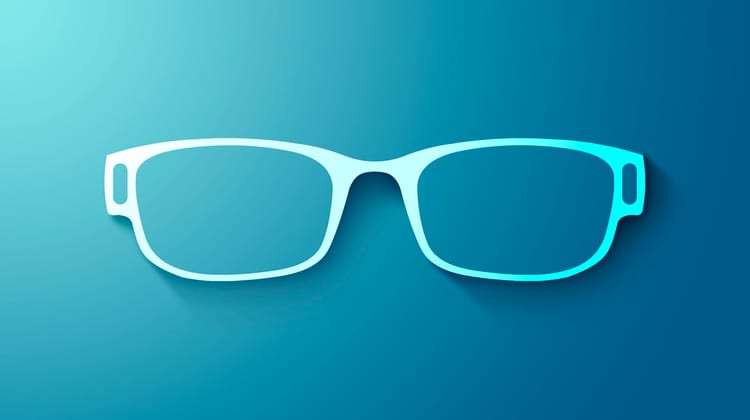
Apple's first smart glasses are planned for a WWDC 2027 unveiling, with shipments before the end of that year. Bloomberg's Mark Gurman laid out the plan in the November 15 edition of his Power On newsletter. Much of the hardware is largely finalized. Software and AI are running behind, and that puts both dates in question.
N50 prototypes are thinner than Meta Ray-Bans, with cameras flush in the frame
The prototypes carry the internal code name N50. They are slightly thinner than Meta's second-generation Ray-Bans, per Gurman's prototype rundown on X and MacRumors' detailed write-up. On some test units the camera openings are oval and sit flush with the frame instead of protruding. A light on the front shows when the glasses are in use or charging, and Apple is testing extra privacy features on the front of the frame. Employees describe the sound as "industry-leading." The glasses play music, take calls, and handle FaceTime audio.
Charging is unusual. Testers charge the prototypes while wearing them. A flat, three-pin magnetic connector, "roughly the size of a Tic Tac," snaps near the end of the left temple arm. Gurman said it is not decided whether that charger makes it into the shipping product. Inside, prototypes run a reduced version of visionOS 28 on a processor derived from older Apple Watch chips.
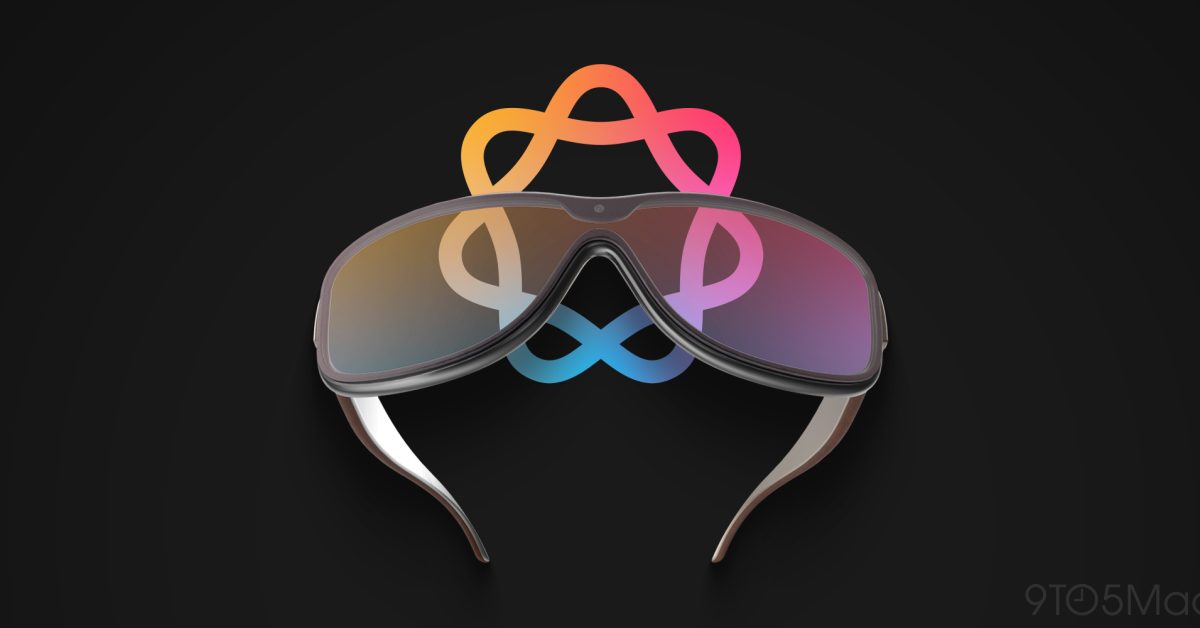
Siri AI app integrations are the flagship feature, running on a paired iPhone
Gurman's summary of the pitch: "Book an Uber, reserve a table or order a coffee from your Apple Glasses, with apps running on paired iPhone." That is the flagship feature. Not a display, not a camera spec. Siri AI app integrations.
Developers will not build separate glasses apps. They expose actions in their existing iPhone apps to Siri, and the paired phone does the computing. Current plans require a recent iPhone and carry no Android support. Wi-Fi keeps some functions, like audio playback, alive when the phone is not nearby, but the glasses are not a standalone device.
The groundwork is already shipping. The first iOS 27.3 beta began more precise Siri app-action controls. Apple first showed the capability in 2024, then rebuilt it with newer AI models. Support for Apple's own apps is planned for December, with third-party support in 2027. Apple wants developers preparing those integrations now. Also on the planned list: calls, messages, iPhone notifications, calendars, standard and visual reminders, music controls, and smart home controls.
The first glasses show no AR imagery, and Siri reads the world through the cameras
The first model will not display augmented reality imagery. It is not a lighter Vision Pro. The interaction runs through Siri and the cameras. Planned uses include identifying buildings, suggesting meals from ingredients in a refrigerator, giving directions, and translating signs and conversations. 9to5Mac's Michael Burkhardt reads the device as an iPhone accessory first, with the app ecosystem as the real selling point against rival smart glasses.
Apple is developing multiple styles and colors, with emphasis on materials, sensors, and audio quality. The company is aiming at longer battery life and all-day wear.
WWDC 2027 and a year-end ship remain the targets, but software is behind
From Gurman: "Apple has wanted to unveil its smart glasses at WWDC 2027 and ship them before year-end. But software is running behind, leaving both targets uncertain despite remaining in place as of today." Work on the glasses started in the early 2020s. The remaining obstacles are software and AI, the two pieces the whole Siri glasses pitch depends on.
The glasses are also one piece of a wider wave. Gurman said Apple wants Siri AI to connect the smart glasses, camera-equipped AirPods, and the HomeView devices that launched on November 13, much as iCloud tied the ecosystem together in the early 2010s. The camera AirPods are still scheduled for late 2027. The Siri quality question hangs over all of it: reviewers say Siri still fumbles basics on HomeView.
Watch the software trail, not the hardware leaks. If December's own-app Siri support and the iOS 27.3 app-action work slip, WWDC 2027 slips with them.
Photo: concept images via MacRumors and 9to5Mac. Source: Mark Gurman on X, MacRumors, 9to5Mac.