IT House reported on September 9 that technology media AppleInsider published a blog post reporting that Apple was approved yesterday (September 8) for a patent called “Stretchable Display” to explore a roll-up iPhone solution in addition to foldable phones.
The patent number is US-12730478-B2, with a total of 21 pages and 12 drawings. The patent signature includes at least 50 engineers, which is at least five times the number of Apple’s ordinary patent signatures.
Apple is expected to launch its first foldable phone (expected to be called iPhone Ultra or iPhone Duo after launch) at a press conference at 1 a.m. Beijing time tomorrow. The main change in the traditional folding screen is to “fold” a large screen, while the stretchable display is envisioned to allow the screen to bend and extend along with the surface of the device.
In this way, the device can adopt more shapes such as cylinder, curved surface, wrap-around, etc., and users can obtain a more continuous display area without significantly increasing the front size of the fuselage.
In terms of technical solutions, in order to adapt the screen to curved surfaces or deformable housings, Apple proposed a display area composed of multiple “hermetically sealed rigid pixel islands”. IT Home has attached a screenshot of the relevant patent diagram as follows:
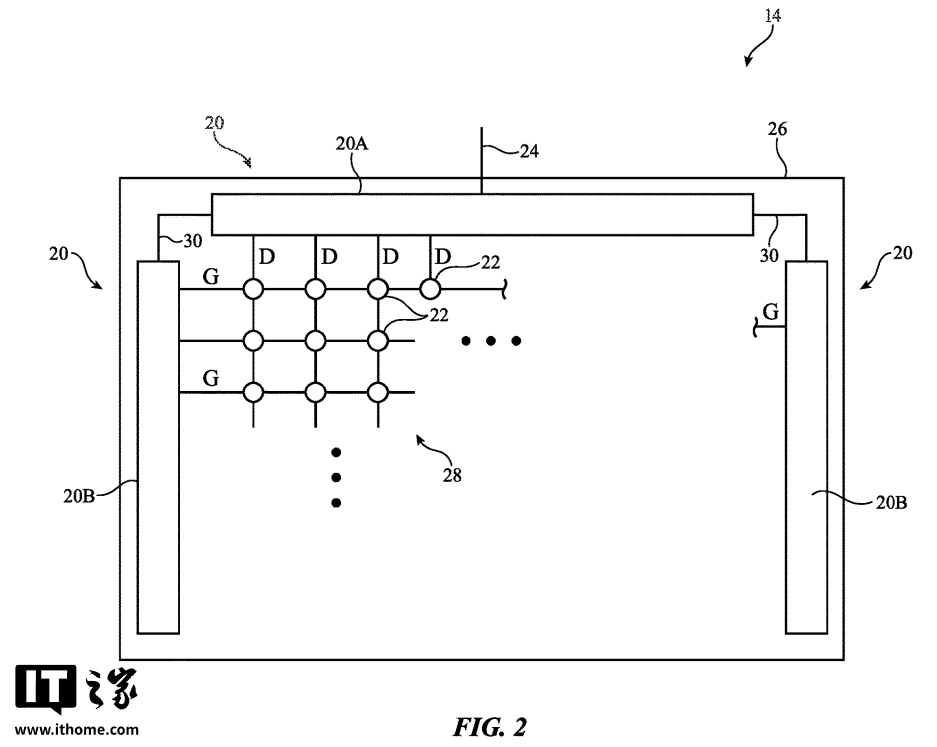
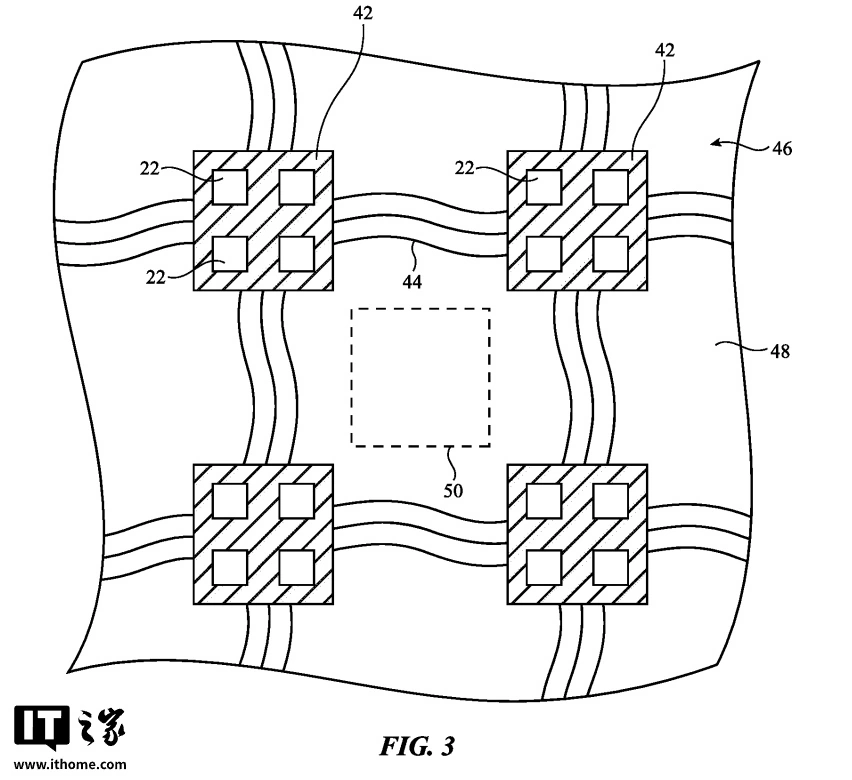
Each pixel island can contain at least 1 OLED pixel, the OLED layer is located between the first electrode and the second electrode, and the pixel islands are connected by flexible interconnection areas.
The design encapsulates the OLED pixels that are actually responsible for emitting light into many small hard units, and then connects them with stretchable areas. In this way, the pixel itself does not need to be stretched repeatedly, which technically reduces the risk of damage caused by directly pulling the OLED luminescent material.
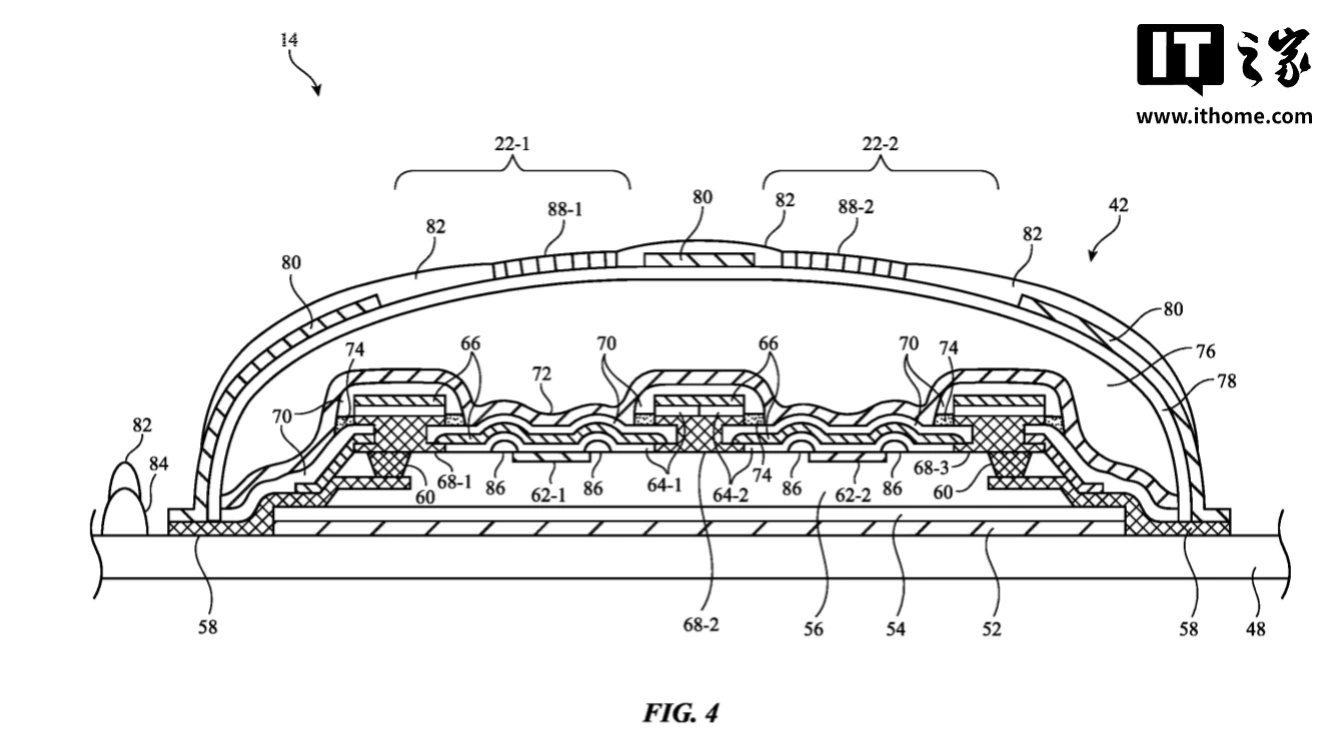
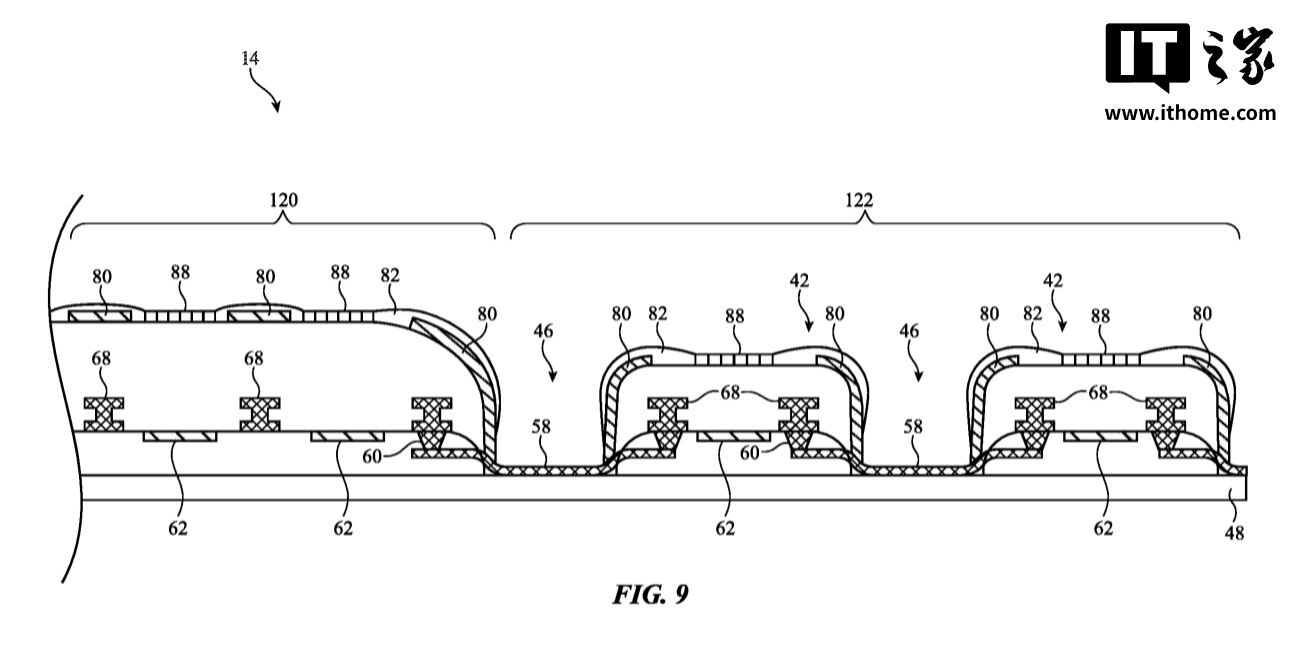
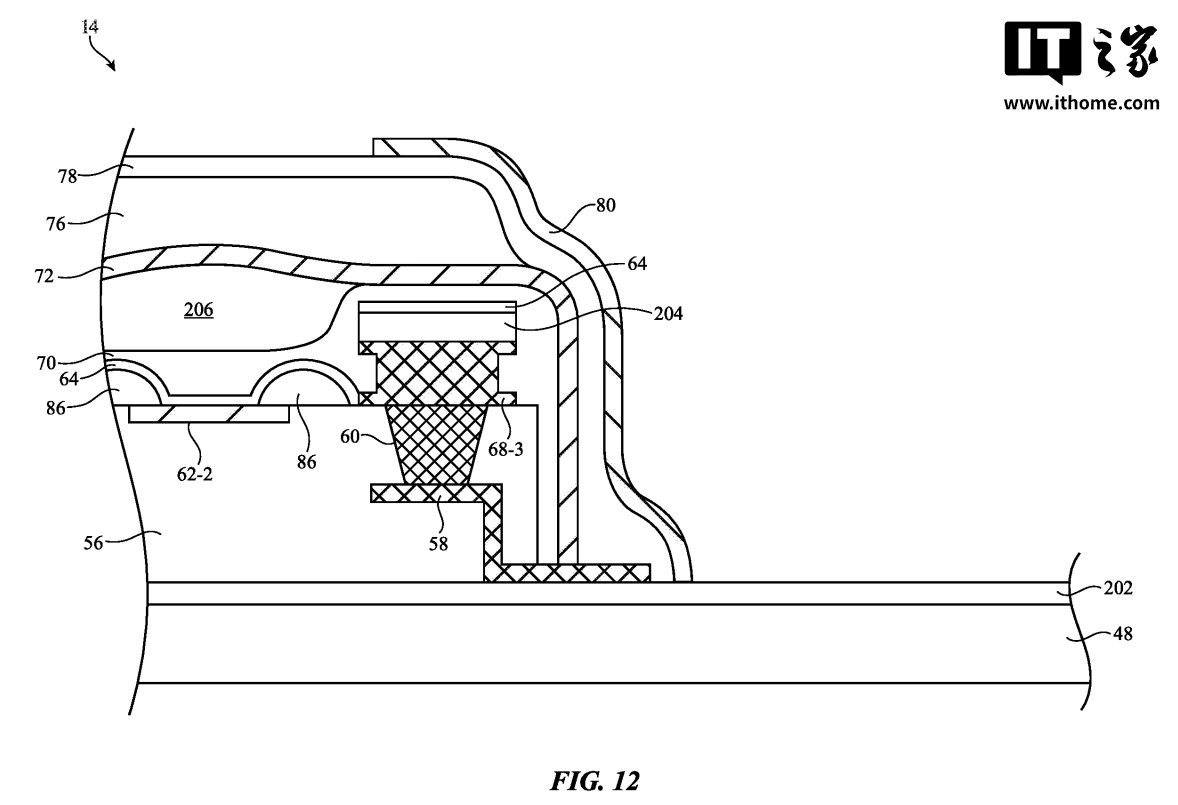
In terms of application scope, the patent text lists more than a dozen types of devices such as laptops and cellular phones. Small devices include watches, pendants, headphones, display components embedded in glasses and other head-mounted devices, and larger displays can be installed in kiosks or cars.