IT House reported on March 20 that digital blogger PhoneBuff released a video yesterday (March 19) to compare and test the drop resistance performance of Samsung Galaxy S26 Ultra and Apple iPhone 17 Pro Max.
After a total of 6 rounds of rigorous drop tests, the iPhone 17 Pro Max finally won with a total score of 56 points, surpassing the Galaxy S26 Ultra which scored 54 points.
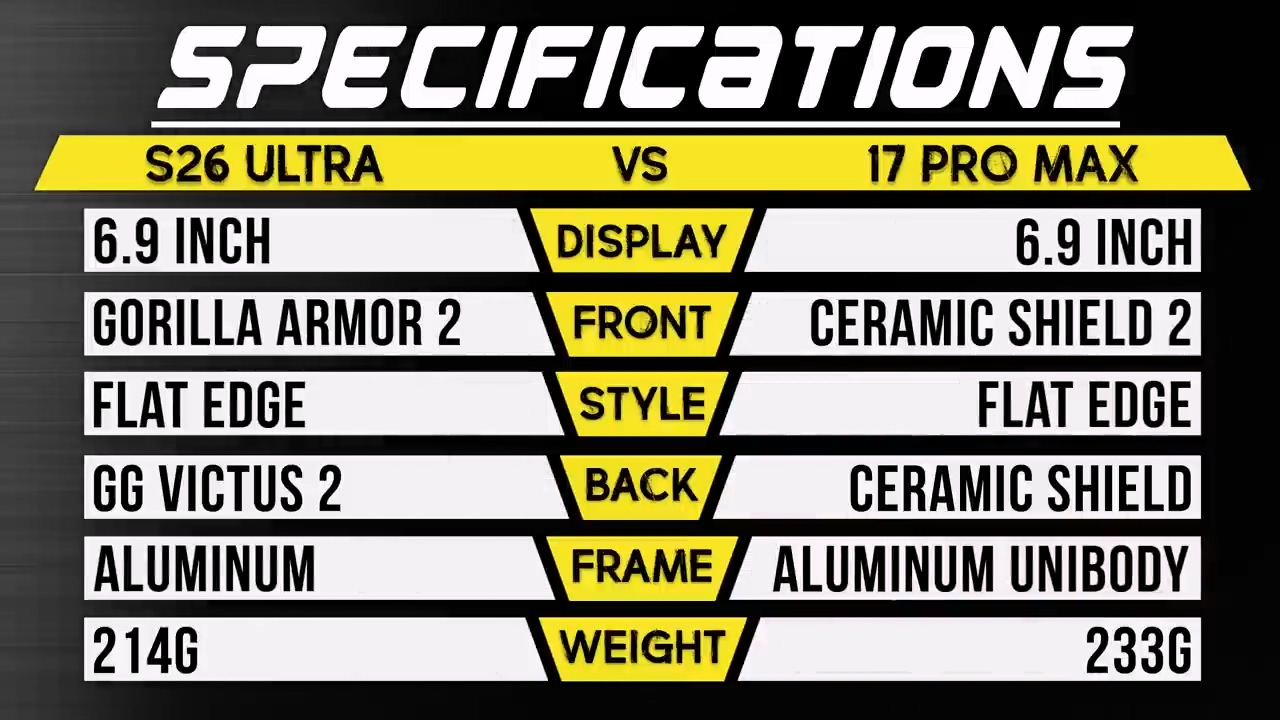
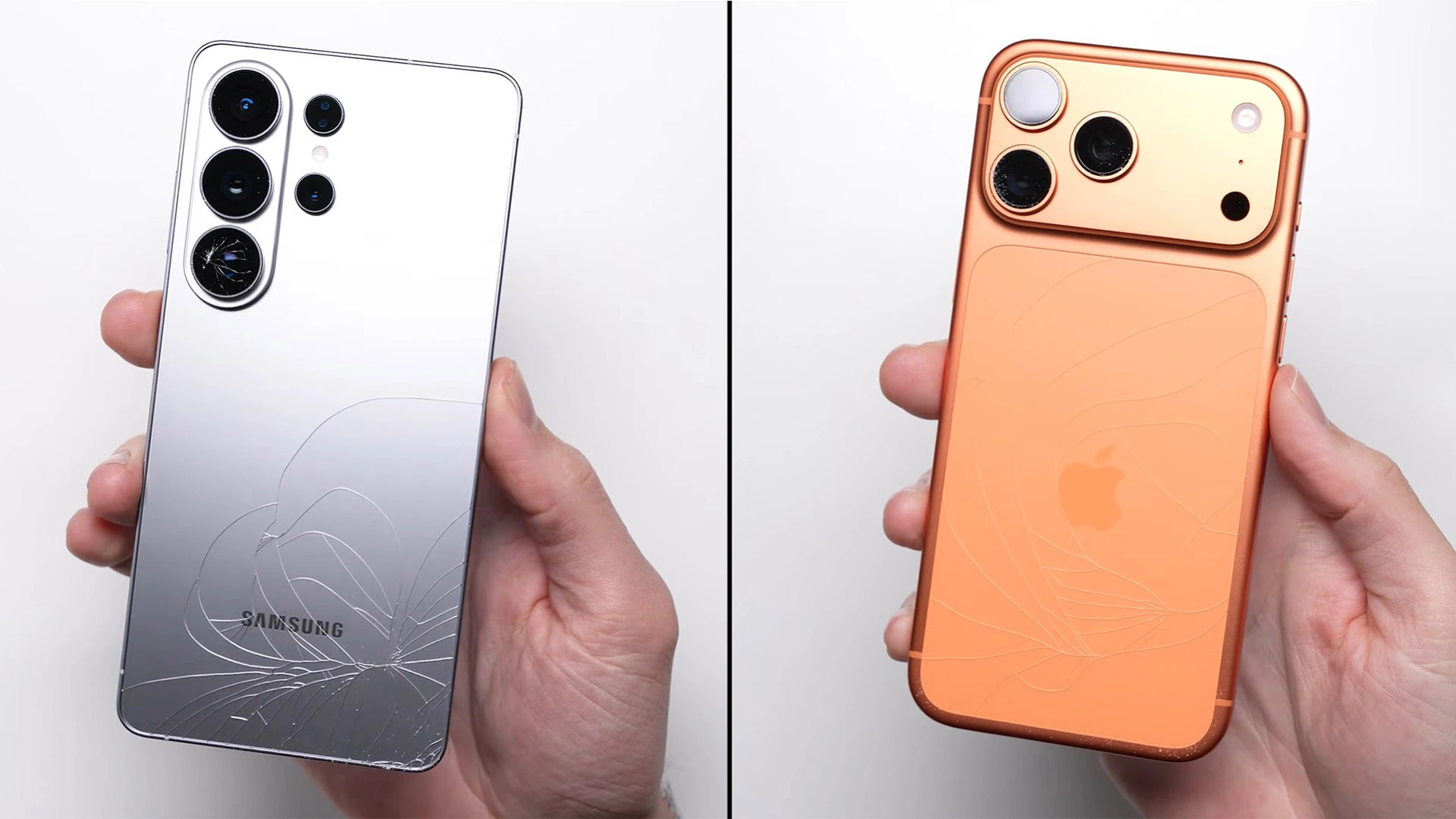
The testing team first performed a drop test from a height of 1 meter. When the back was dropped, the back glass of both phones was shattered, but the damage to the Samsung Galaxy S26 Ultra was more serious. Its telephoto lens glass bore the brunt of the damage and caused lens flare problems when taking pictures. In contrast, the metal area at the top of the iPhone 17 Pro Max is almost intact, and the impact is effectively absorbed by the glass at the bottom.
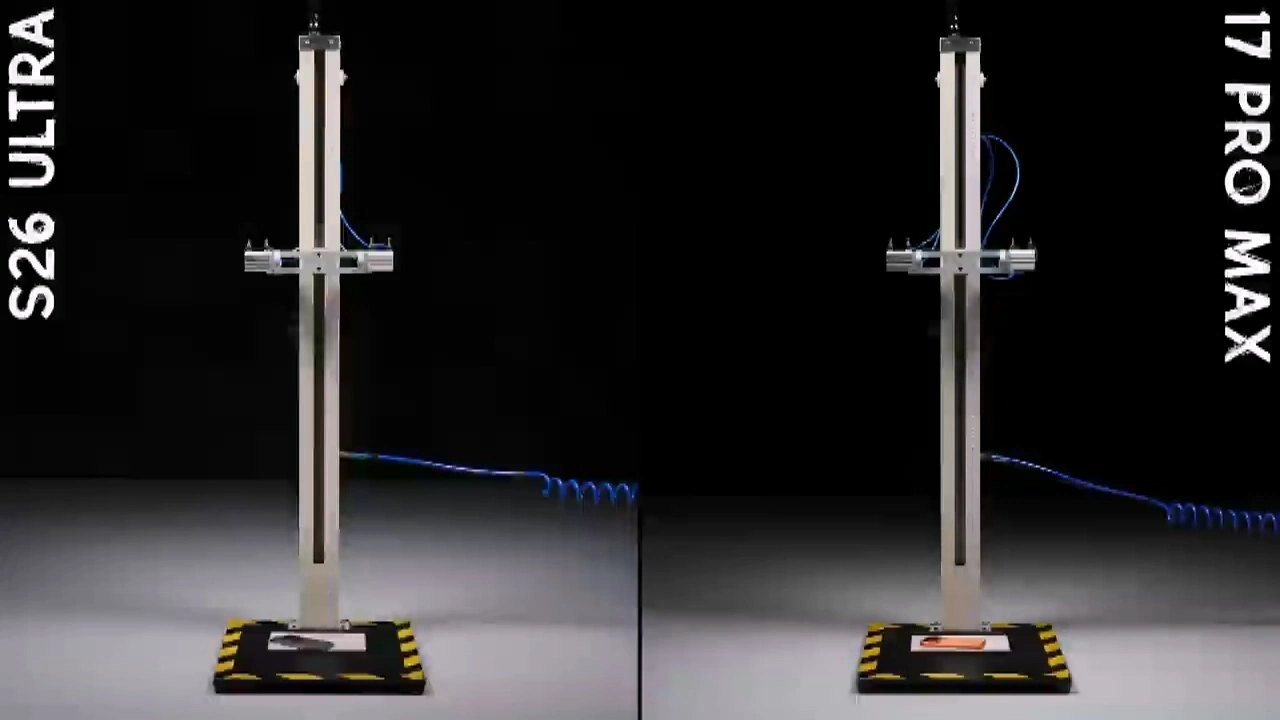
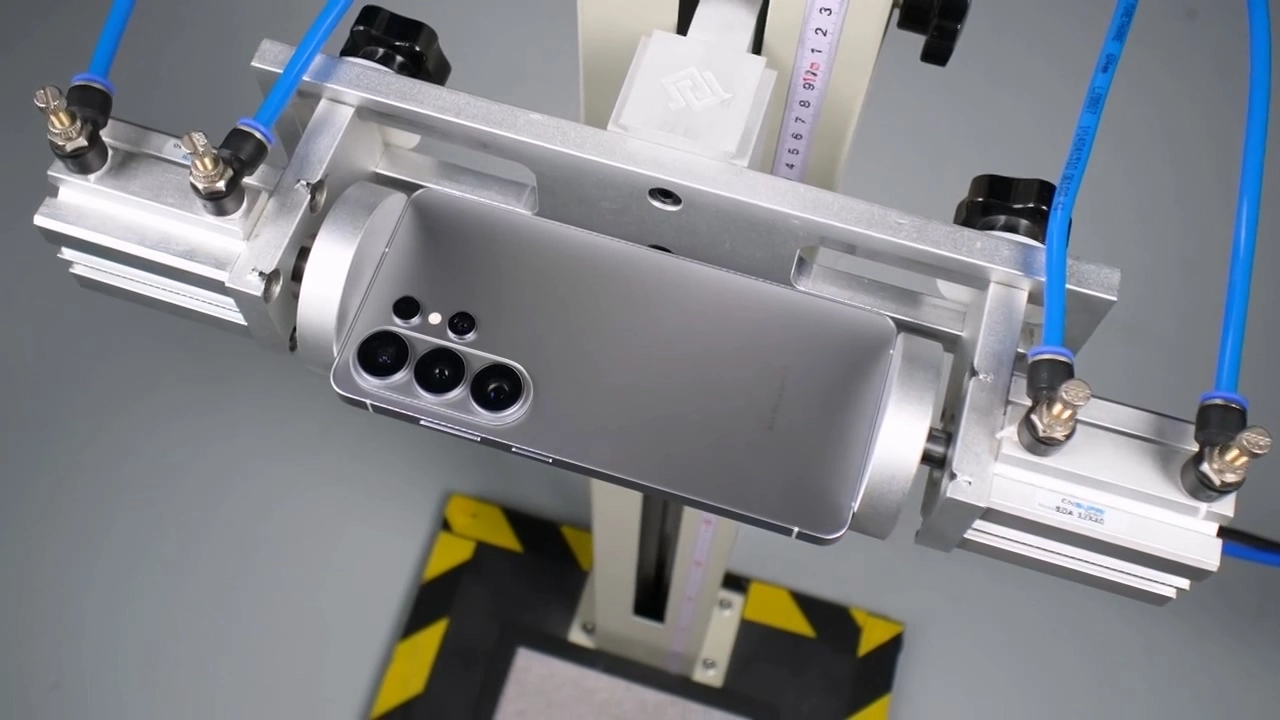
Subsequently, in the corner and front drop tests, the screens of both phones inevitably cracked, and Apple’s front lens also experienced glare, but the biometric functions of both phones were not substantially affected at this time.
As the test height increases to 1.5 meters, the core durability gap between the two devices begins to appear. After being dropped from its back from 1.5 meters, the under-screen fingerprint sensor of the Samsung Galaxy S26 Ultra completely stopped working, while the Face ID facial recognition function of the iPhone 17 Pro Max still operates normally.
In subsequent corner drops, there was only slight paint chipping on both sides. However, in the most lethal 1.5-meter face-down test, although the screen of the iPhone 17 Pro Max showed a large area of spider web-like fragmentation, the telephoto lens module of the Samsung Galaxy S26 Ultra began to scatter fine glass shards outward.
The final test results in the video attached by IT Home are as follows:
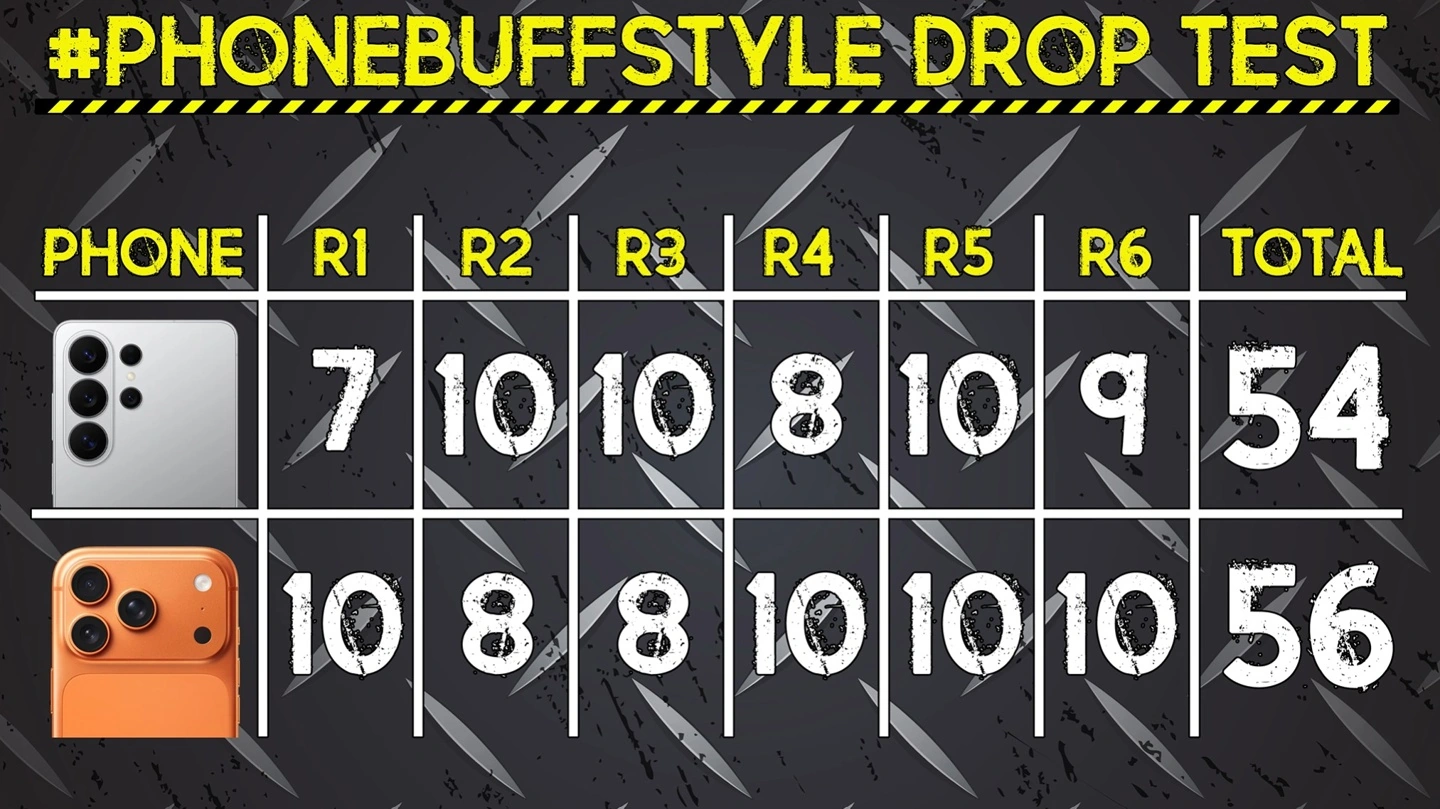
Taking into account various data and damage levels, the iPhone 17 Pro Max once again defends Apple’s dominant position in the durability of flagship phones with a more stable core function retention rate.
Advertising statement: The external jump links (including but not limited to hyperlinks, QR codes, passwords, etc.) contained in the article are used to convey more information and save selection time. The results are for reference only. All IT House articles include this statement.