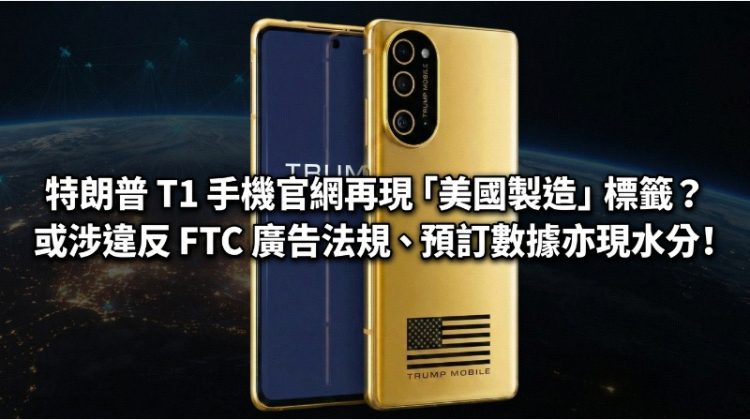
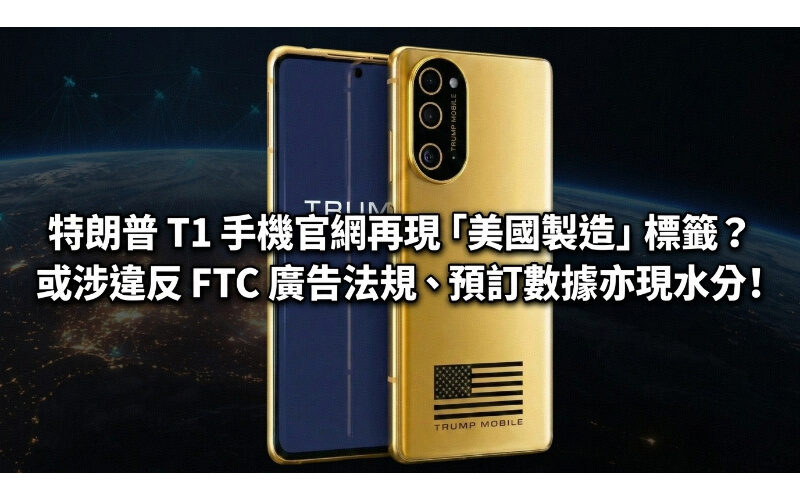
The new technology product “Trump T1 mobile phone” launched by Trump earlier has once again fallen into a storm of public opinion. Although Trump Mobile officials have successively revised the phone’s production description from “Made in the United States” to “Assembled in the United States” in earlier publicity, foreign media recently discovered that some hidden pages of its official website and the meta title of the search engine still advertise the phone as a “high-performance and privacy-protecting American-made smartphone.” Since this description is still displayed directly in browser tabs and Google search results, this promotional method may have violated the strict compliance guidelines of the US Federal Trade Commission (FTC).
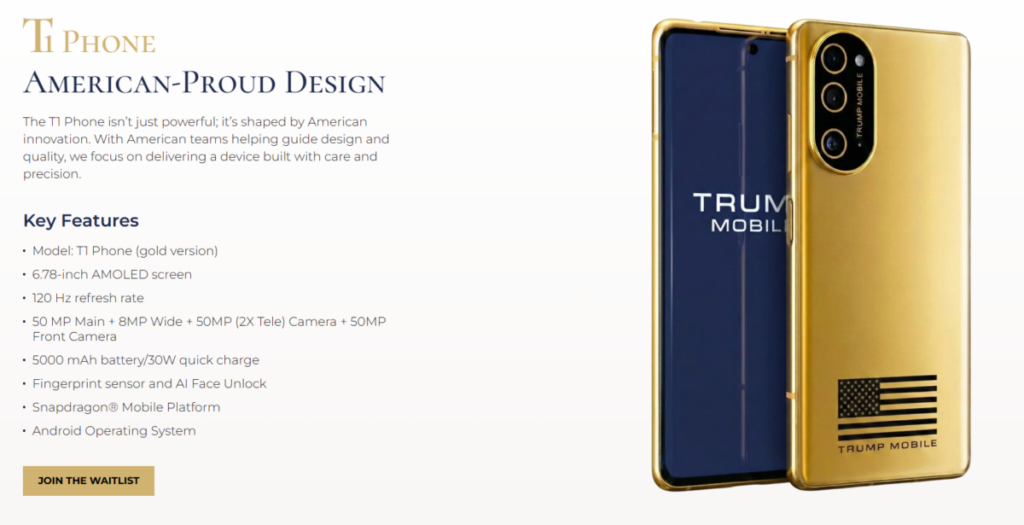
According to the U.S. Federal Trade Commission’s legal definition of “Made in the United States,” if a company wants to claim in marketing advertisements that a product is locally made, all production links of the product, from supply chain components to final assembly, must meet the requirement that “all or substantially all” of the product is completed in the United States. If Trump Mobile’s website labeling does not match the actual assembly context, it will face significant legal compliance risks.
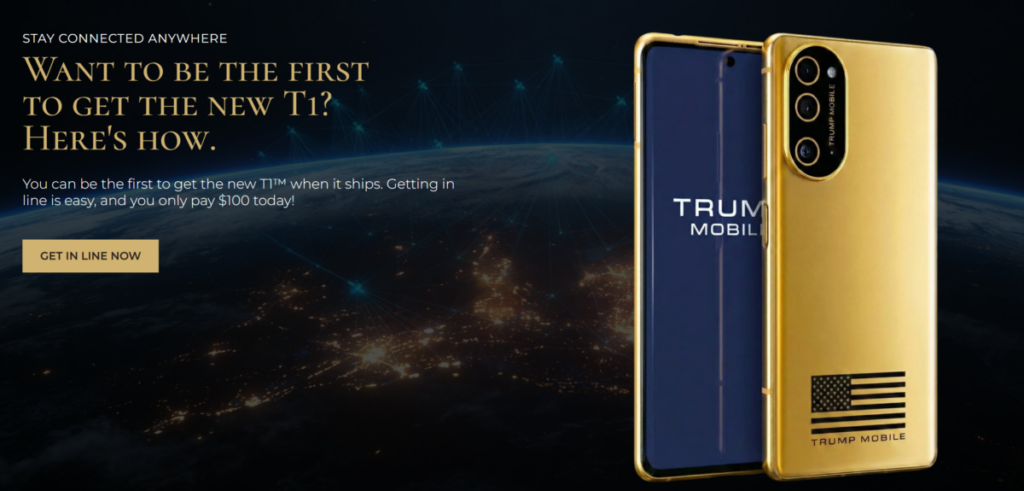
In addition to suspected violations of the origin label, the pre-order sales data that Trump T1 mobile phone has been claiming to the outside world has recently been questioned by the industry. A previous network security report pointed out that the brand’s official website had the potential for customer data leakage. After in-depth analysis of the system mechanism, some technology media found that the order generation logic of the website was quite loose. As long as the user fills in the information in the shopping cart and enters the final step before entering the final payment page, the system will automatically generate a reservation record in the background, regardless of whether the user actually paid the $100 deposit. This means that the 27,224 reservation records that were rumored earlier include a large number of invalid orders that have not been paid, and the actual sales may be far lower than expected.
As for the shipment and delivery progress that the outside world is most concerned about, there is still a lack of any substantial evidence of large-scale shipments. However, a new video recently appeared on social platforms, showing a user from Tennessee, USA, demonstrating the startup process of Trump’s T1 mobile phone. If this device is not a prototype, this will be the first time that the phone has been successfully delivered to ordinary consumers. So far, Trump Mobile officials have not made any public response to the dispute over the origin of the product and the latest delivery progress.