Day three of iOS 27.2, and the Apple Developer Releases page has not moved. The top rows are still iOS 27.2 (24B91020) and iOS 27.2 (24B119), both dated October 26, 2026, per the Apple Developer Releases page checked on the morning of October 29 Asia/Shanghai time. Below them sit the same companion rows from ship day. No iOS 27.3 beta, no newer seed, nothing new at the top.
The Apple security releases index agrees. It still names iOS 27.2 and iPadOS 27.2 as the latest versions, released October 26 for iPhone 11 and later and the listed iPad models. Yesterday's day-2 count of 162 CVEs in the 27.2 security notes has not changed, and Apple's security content document remains dated October 26.
The 27.2 build list, three days in
The public iOS 27.2 build for most iPhones is 24B119. The iPhone Duo has its own build, 24B91020, still listed as a separate row on the developer page. Duo notes for that build include Apple Pencil (USB-C) support, Edge Light, and Dual Capture in Group FaceTime.
One build stays outside Apple's own list. Researcher @aaronp613 separately reported iOS 27.2 as 24B120 for the iPhone 11 only, and that row still does not appear on Developer Releases. The RC seeded October 19 was 24B115, so the shipping tip is a different build from the release candidate.
Companions on the same October 26 date: iPadOS 27.2 (24B119), with a 24B8120 variant for the new iPad mini per @aaronp613's build list; macOS Golden Gate 27.2 (26B123); tvOS 27.2 and HomePod software 27.2 (24K122); watchOS 27.2 (24S118); visionOS 27.2 (24N120). The older security trains shipped the same day: iOS and iPadOS 26.7.2 (23H128), and iOS and iPadOS 18.7.11 (22H384) for iPhone XS, XS Max and XR. Before this week, the last Duo-only release was iOS 27.1 during the RC wait, and it still carries no published CVE entries.
Selfie age verification showed up in the ship build
Media have been digging into what 27.2 actually contains. On October 28, MacRumors reported that iOS 27.2 and iPadOS 27.2 add selfie-based age verification in supported regions. A user follows onscreen prompts to turn and tilt the head, giving four views of the face. Apple's support document says processing happens on the device together with Private Cloud Compute, the results are combined locally, and the selfie is deleted after a successful verification. Where the option appears depends on regional rules. Apple lists possible triggers: setting up an Apple Account, installing a software update, opening apps rated 18+, and changing safety controls. Once adult status is established, Apple says no further confirmation is needed.
Photos got Shared Albums edits and SynthID watermarking
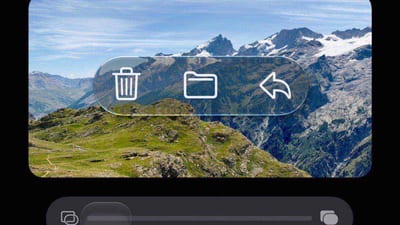
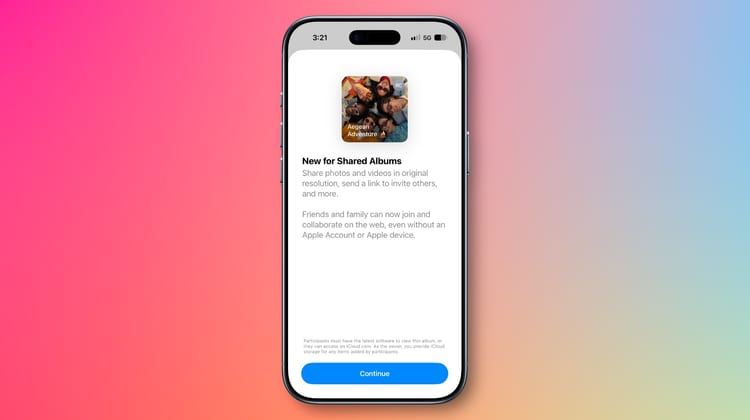
The other find concerns Photos. 9to5Mac covered two changes in the release. First, Shared Albums gain four controls in 27.2, quoting Apple's release notes: photo and video captions can be edited, comments can be edited, a duplicate-photo guard stops the same item being added twice, and a reminder appears before an album expires so participants can save photos first. Shared Albums must be upgraded for iOS 27 for the new controls to show.
Second, 27.2 adds SynthID watermarking in Photos and Image Playground, per Apple. SynthID is Google's cross-platform standard that embeds a detection marker into images made or modified with generative tools. There is no visible watermark. Anyone checking for a SynthID marker can find it, which covers edits made with tools like Extend, Reframe and Clean Up.
What Apple has not said
Nothing about 27.3. No beta seed on the developer page, no date, no release notes. The 27.2 security index entry, the build rows, and the companion matrix are all still the October 26 record. If a 27.3 seed appears, the developer releases page is where it will land first.
Photo: 9to5Mac / MacRumors. Sources: Apple Developer Releases, Apple Support, MacRumors, 9to5Mac.