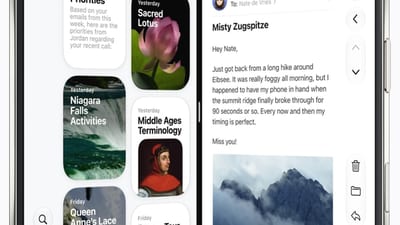
Apple is changing how it develops iOS 28, iPadOS 28 and macOS 28. The first stage of this cycle gave engineers six weeks of coding and exploration and only two weeks of convergence, Bloomberg's Mark Gurman reported in Power On on November 8. The usual split is four weeks and four weeks. The new schedule leaves more room to try ideas before they are locked in.
Apple's year of OS work runs in three major stages
Apple separates development of each year's new operating systems into three major stages. Each stage usually is four weeks of coding followed by a four-week convergence period, where new features are integrated into the operating systems. That split held for years. Coding first, integration later, and the two budgets were equal.

The first iOS 28 stage gave engineers six weeks to explore
For the first stage of iOS 28 development, the M1 milestone, the split moved. "Instead of the normal split between two four-week efforts, Apple engineers were tasked with six weeks of coding, exploration and feature development, and then only two weeks of convergence," Gurman wrote. Employees say they like the change. It creates more time for coming up with ideas and exploring them before needing to lock things in. The same pattern covers iPadOS 28 and macOS 28, per the newsletter, reported by MacRumors.
9to5Mac ties the shift to agentic coding tools
The change was likely driven by the massive advances in agentic coding tools in the past couple years, 9to5Mac writes. In practice the new pipeline gives engineers 50% more time to code and explore, and less time on integration, as coding agents have improved. Apple has shipped its own piece of that trend. The company released an official Xcode plugin for Claude Code that builds and tests iPhone apps from the agent.
Ternus is pushing Federighi to move faster on AI
The pipeline change lands inside a bigger push. In recent weeks new CEO John Ternus held a closed-door meeting with software chief Craig Federighi and pushed him to accelerate the AI road map, 9to5Mac reports. In the same Power On issue Gurman described the challenges inside Federighi's organization. A hands-on management style, vigorous debates over competing ideas, and planning that runs 12 to 18 months, versus multiyear hardware road maps. We covered the Ternus meeting and the agentic Siri push in a companion report on Ternus pressing Federighi to move beyond Siri fixes.
No iOS 28 features are named yet
Gurman did not reveal any specific features planned for iOS 28. Apple has said nothing about the 28 generation. What is fixed is the calendar. The update should be available in beta in June and released in September 2027. Until that first beta lands, the schedule is the only visible product of the new process. The 27.3 cycle, where Apple opened Siri AI to all developers, shows where the AI work is aimed in the meantime.
Photo: Apple (macOS, iOS and Apple Developer official images). Source: Bloomberg Power On, MacRumors, 9to5Mac.